India suspended Indus Water Treaty with Pakistan after the deadly terror attack in Pahalgam. The decision came a day after 26 people were killed in the attack. This marks a strong response by India against cross-border terrorism.
India Suspended Indus Water Treaty this bold and unprecedented move has captured global attention following the horrific Pahalgam terror attack that left 26 people dead. The Indian government’s decision to halt the decades-old water-sharing agreement with Pakistan is being viewed as a direct response to the escalating cross-border terrorism and an assertion of India’s national interests.
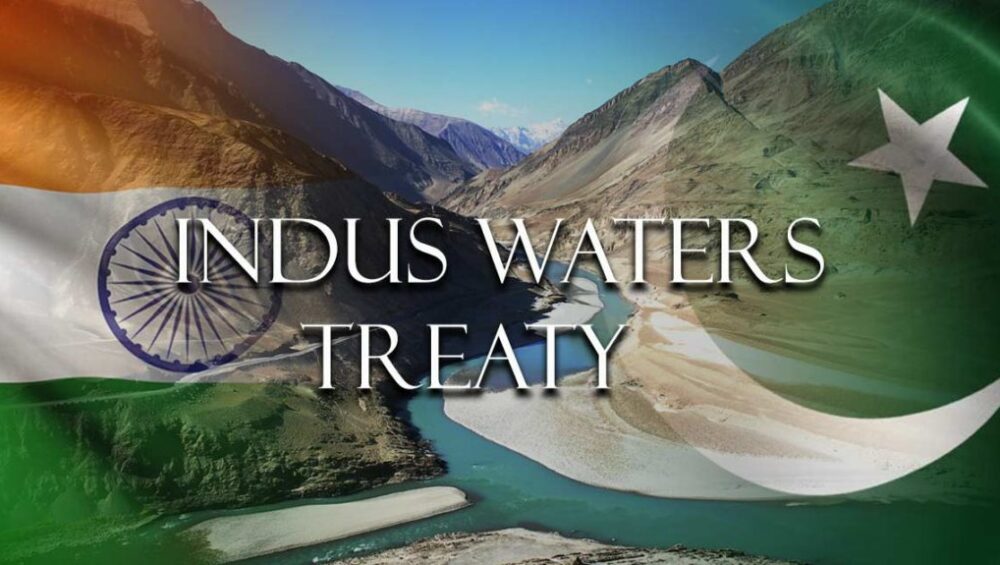
According to NDTV, the Indus Waters Treaty (IWT), which has survived multiple wars and geopolitical tensions since its signing in 1960, has now been brought to a sudden halt by New Delhi. This strong diplomatic signal underlines India’s growing intolerance towards acts of terrorism originating from across the border.
Pahalgam Terror Attack: What Happened?
The attack in Pahalgam, Jammu & Kashmir, took place on April 22, 2025, when heavily armed terrorists ambushed a group of civilians and security personnel. The assault resulted in the death of 26 individuals, with many others critically injured. The government swiftly blamed Pakistan-based terror outfits for orchestrating the attack, reigniting the long-standing debate over Pakistan’s involvement in cross-border terrorism.
This horrifying event prompted the Indian government to act with urgency and purpose. The very next day, India Suspended Indus Water Treaty, sending a stern message to Islamabad and the international community.
What Is the Indus Waters Treaty?
Signed in 1960 with the help of the World Bank, the Indus Waters Treaty allocates the water of six rivers of the Indus basin between India and Pakistan. India has control over the eastern rivers — Ravi, Beas, and Sutlej — while Pakistan gets the western rivers — Indus, Chenab, and Jhelum.
As highlighted by Times of India, the treaty has often been hailed as a rare example of peaceful cooperation between the two neighbors. However, with India Suspended Indus Water Treaty now, the future of this cooperation seems uncertain.
Why India Suspended Indus Water Treaty: Strategic Implications
India Suspended Indus Water Treaty not merely as a symbolic reaction but as a calculated geopolitical maneuver. The message is clear: India will no longer remain passive in the face of repeated terror attacks. The suspension of the treaty is intended to put diplomatic pressure on Pakistan by targeting one of its most vital resources — water.
The Indus basin is a lifeline for Pakistan’s agriculture-based economy. Any disruption in the flow of the western rivers could significantly affect Pakistan’s food and water security. According to water experts, even a partial freeze on the treaty could impact downstream water availability in Pakistan, potentially causing agricultural distress and hydropower shortages.
International Reactions to the Suspension
The global community has expressed concern over India’s decision. While many nations condemned the Pahalgam terror attack, some are urging both India and Pakistan to resolve their differences diplomatically. The World Bank, a guarantor of the treaty, is reportedly in touch with both nations to assess the situation and possibly mediate talks.
However, India has maintained its stance, asserting that national security cannot be compromised. As per NDTV, government officials stated that the treaty cannot remain in force when one signatory continues to sponsor terror on the other’s soil.
Legal and Environmental Challenges
Though India Suspended Indus Water Treaty as a counter-terrorism step, it also faces legal and environmental complexities. The treaty is internationally recognized and backed by the World Bank, which means unilateral withdrawal could lead to arbitration and diplomatic pushback.
Moreover, experts have cautioned that disrupting river flows might also have unintended environmental consequences on both sides of the border. However, the Indian government appears willing to navigate these challenges in pursuit of a firmer stance against terrorism.
India’s Broader Message: Zero Tolerance to Terrorism
The move to suspend the treaty fits into India’s broader policy of zero tolerance toward terrorism. It complements earlier actions like surgical strikes, border escalations, and revoking Pakistan’s Most Favored Nation (MFN) status. By choosing to hit where it hurts the most — water security — India is shifting gears in its response strategy.
This is not just a tactical decision; it is a powerful narrative change. India Suspended Indus Water Treaty, and in doing so, it has changed the rules of engagement. The country is clearly signaling that every terror attack will now invite a proportionate, and possibly unprecedented, counter.
Indus Treaty Latest News 2025: What to Expect Next?
Going forward, the situation is fluid. Pakistan is expected to raise the issue at international platforms like the United Nations and possibly the International Court of Justice. Meanwhile, India is likely to continue reviewing the treaty framework and exploring legal options to formalize the suspension.
The Indian government may also initiate technical studies to maximize usage of its share of eastern rivers and possibly even explore diversions or storage options on western rivers under the permissible limits of the treaty.
Conclusion
The decision that India Suspended Indus Water Treaty is not just a diplomatic maneuver but a clear and strategic assertion of national security priorities. As the Pahalgam terror attack update continues to develop, this move marks a defining moment in India-Pakistan relations.
For the latest India Pakistan water treaty news, keep following Notifire your trusted source for in-depth coverage on national security, policy shifts, and geopolitical developments.
Follow our social insights for quick updates. {Instagram, Facebook}