AI's Power Demand Sparks National Grid Upgrade
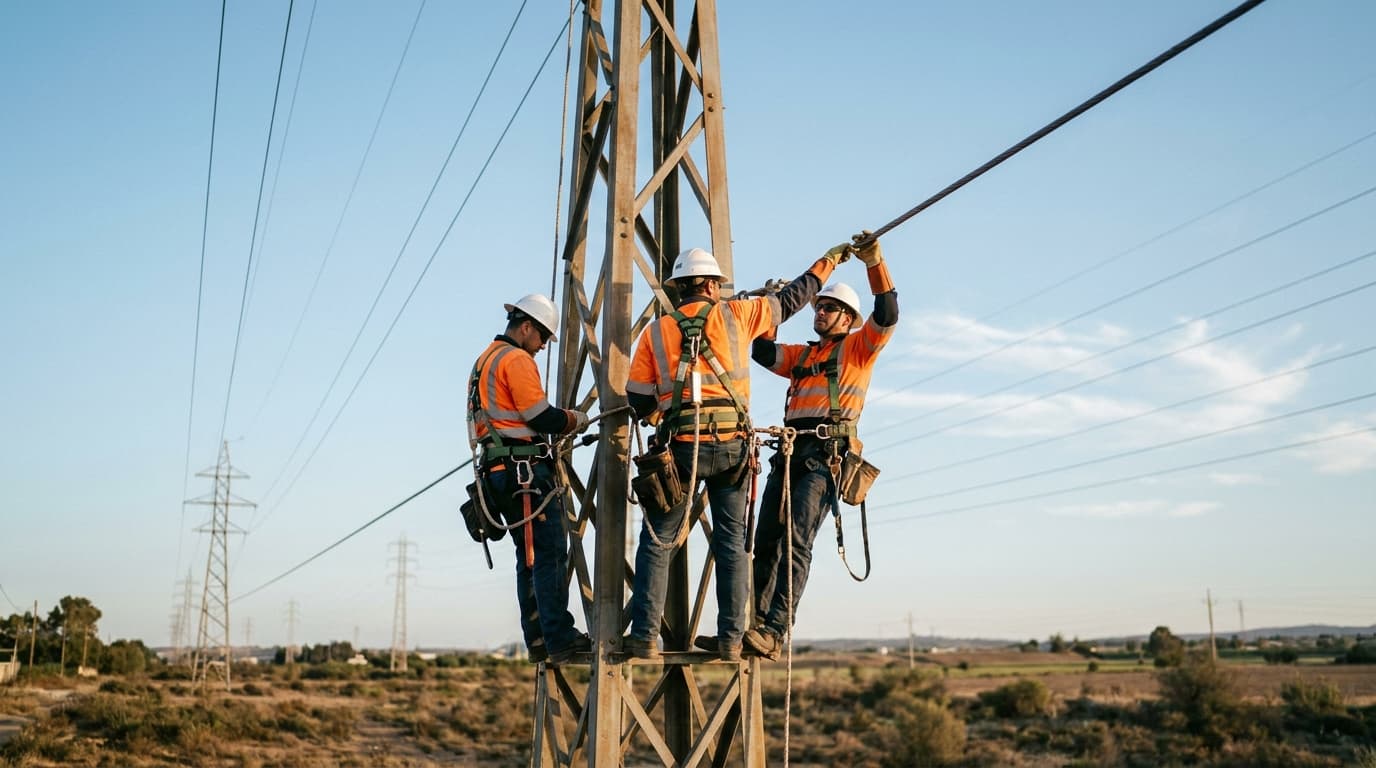
TL;DR: The US is investing $5.25 billion to upgrade its national power grid, directly addressing the massive energy needs of new AI data centers. This move aims to prevent power shortages and support the growing AI industry.
Key facts
- Category
- AI
- Impact
- High
- Published
- Source
- TechRadar
Full summary
The US is spending $5.25 billion to upgrade its power grid, a direct response to the massive energy demands of AI data centers.
In a direct response to the surging energy demands of the artificial intelligence industry, the U.S. government is channeling $5.25 billion into modernizing the nation's power grid. According to reporting from TechRadar, the Department of Energy has announced 31 projects across 26 states that will be funded through a public-private partnership. The federal government will provide $1.9 billion in grants, with the project recipients contributing the remaining $3.35 billion. This significant investment underscores a growing recognition at the national level that the explosive growth of AI is creating a physical infrastructure bottleneck. Without a more robust and efficient electrical grid, the country risks stalling progress in a critical technology sector and facing potential power shortages in key regions where new, power-hungry data centers are being built. The initiative aims to proactively address this challenge before it becomes a crisis, ensuring the underlying power infrastructure can support the next wave of technological innovation.
The strategy behind this investment focuses on intelligence and efficiency rather than simply building more power plants. The funding comes from the 2021 infrastructure law's Grid Resilience and Innovation Partnerships (GRIP) program, which prioritizes upgrading existing infrastructure over new construction. A key component of this is "reconductoring," a process that involves replacing old, inefficient transmission wires with modern, advanced conductors that can carry significantly more power along existing routes. This avoids the lengthy and complex process of acquiring new land and permits. The other major focus is on deploying Grid-Enhancing Technologies (GETs). These are advanced software, sensors, and power flow control devices that give grid operators real-time visibility and control, allowing them to dynamically manage electricity flow and unlock latent capacity in the current system. By making the grid smarter, these technologies can increase transmission capacity by 20-40% at a fraction of the cost and time of traditional construction projects.
This government action is set against the backdrop of an industry-wide scramble for power. The energy consumption of AI models and their supporting data centers is growing at an exponential rate, with some estimates suggesting the sector's electricity demand could rival that of entire countries within the next few years. Major cloud providers like Amazon, Google, and Microsoft are finding that their ability to expand AI services is no longer limited by chip availability or software development, but by securing access to massive, reliable sources of electricity. This has turned energy procurement and data center location into a critical strategic battleground. The U.S. government's investment signals that this is now viewed as a matter of economic competitiveness and national security. By treating the grid as essential digital infrastructure, the initiative aims to ensure the U.S. remains a leader in AI development by providing the foundational power resources it needs to thrive.
For founders, CTOs, and IT leaders, this development has immediate practical implications for long-term strategy. The 26 states receiving funding are likely to become more attractive locations for new data centers and large-scale computing operations, potentially creating "AI power corridors" with more reliable and abundant energy. This could influence decisions on where to build, co-locate, or source cloud services. While the upgrades aim to prevent the kind of energy price spikes that bottlenecks can cause, the question of how these massive costs will ultimately affect energy bills for businesses and consumers remains a critical variable to monitor. Looking ahead, the key challenge will be whether the pace of these grid upgrades can match the relentless growth of AI's power demand. This initial $5.25 billion is a significant down payment, but it is likely just the first of many such investments that will be required to power the future of artificial intelligence.
Why it matters
This investment directly addresses the physical bottleneck threatening AI's scalability: power availability. For developers and CTOs, it signals that future compute capacity and cloud service reliability are now dependent on large-scale public infrastructure projects, moving beyond the sole control of private data center operators.
Business impact
This grid upgrade could de-risk investments in AI infrastructure and influence data center location strategies, favoring states with modernized grids. For businesses relying on AI, it may stabilize long-term cloud computing costs and prevent power-related service disruptions, though short-term energy price impacts remain a key variable.
Tags
Related on Notifire
Related stories
Primary source: TechRadar