Data Center Boom: Higher Bills, Few Permanent Jobs
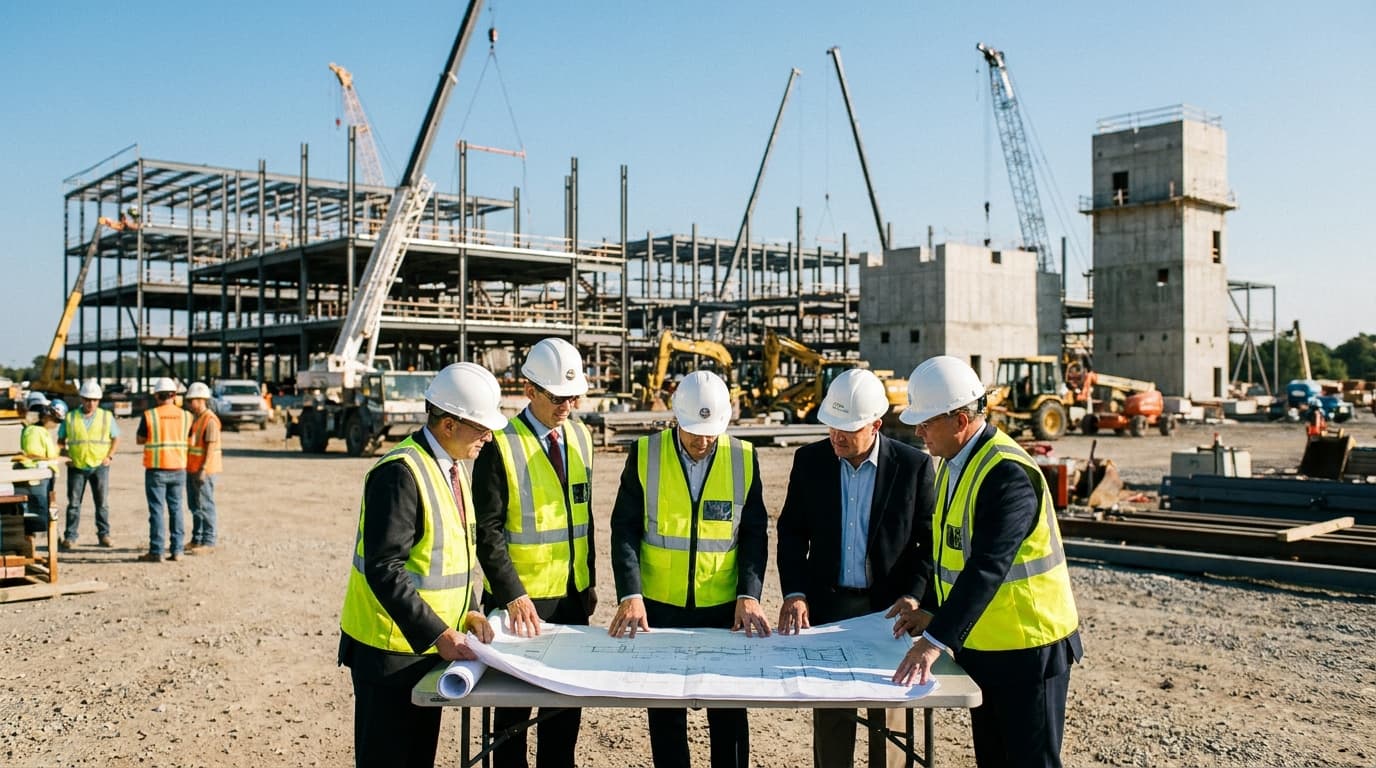
A projected $57 billion data center boom in Illinois will create 121,000 jobs, but only 2,800 will be permanent. The expansion could also raise household electricity bills by $150 annually.
25 verified briefings on Data Centers. Each story includes a plain-English summary, why it matters, and the concrete action engineering teams should take.

A projected $57 billion data center boom in Illinois will create 121,000 jobs, but only 2,800 will be permanent. The expansion could also raise household electricity bills by $150 annually.

Several US counties are pausing new data center construction due to community concerns. However, these temporary bans don't affect projects already underway, meaning the current building boom will continue for now, according to a report by TechRadar.

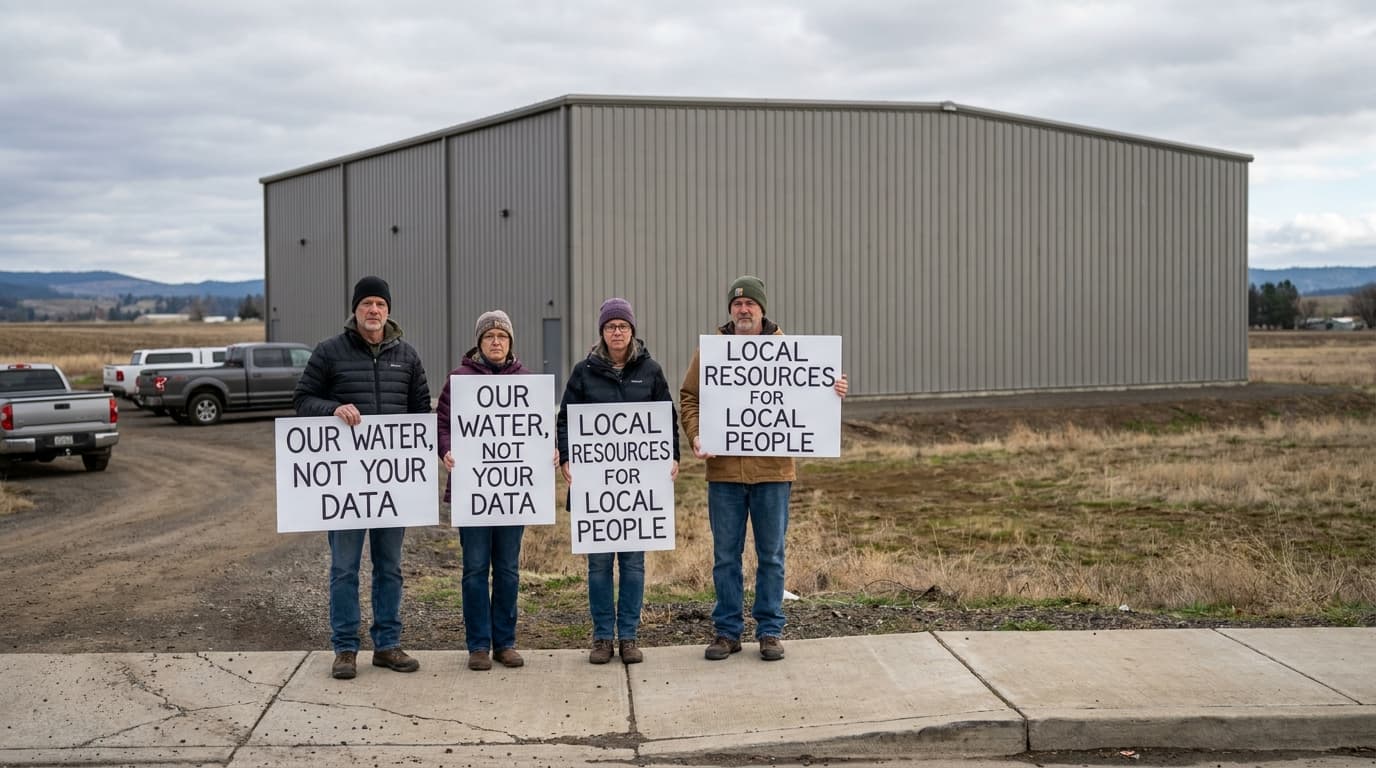
A grassroots movement in Oregon, fueled by concerns over massive tax breaks, is successfully ousting local politicians who support data center expansion. This signals a growing political risk for tech infrastructure in key regions.

OpenAI, Softbank, and Blackstone have formed a new lobbying group to push for more data center construction. The American Infrastructure Alliance will fight local opposition, aiming to secure the physical infrastructure needed for AI's continued growth.

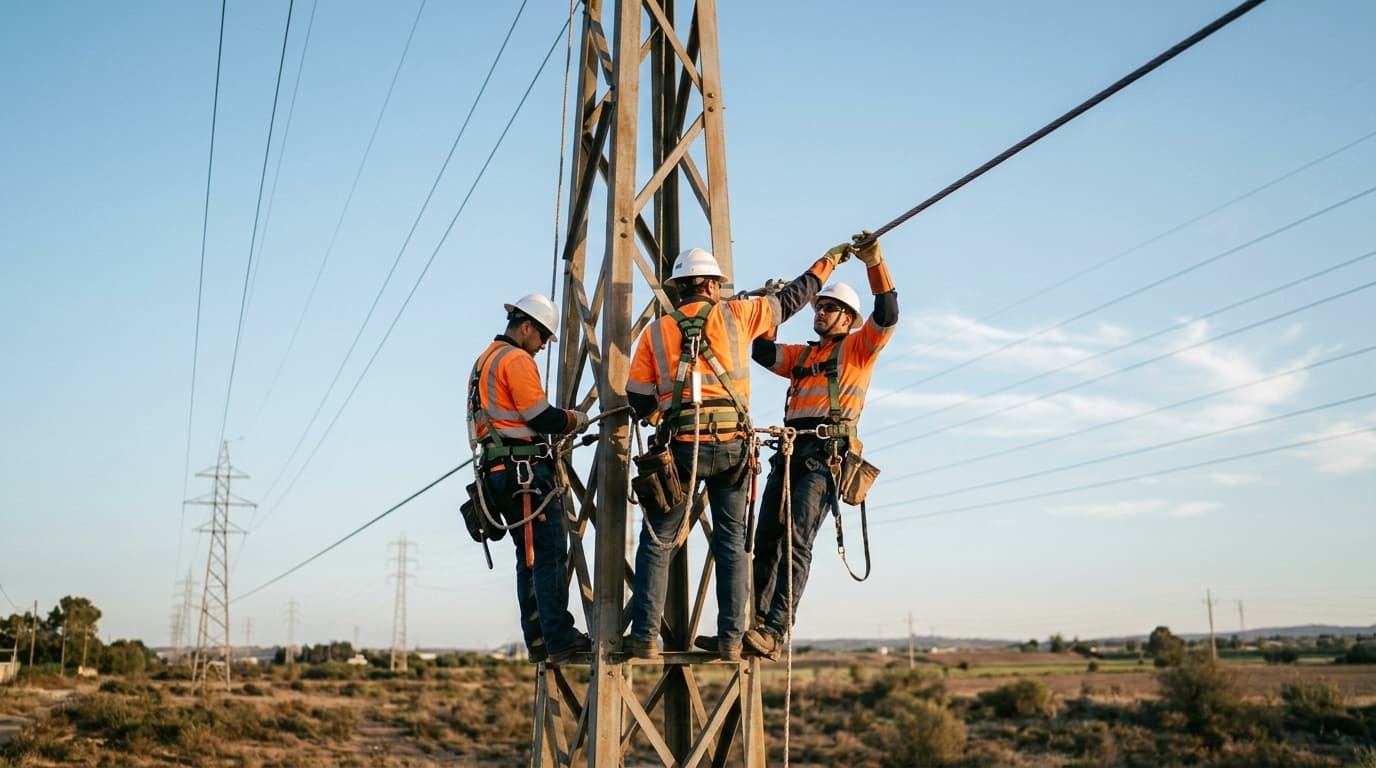
The US is investing $5.25 billion to upgrade its national power grid, directly addressing the massive energy needs of new AI data centers. This move aims to prevent power shortages and support the growing AI industry.

X-energy is building America's first advanced nuclear fuel plant in decades. The Tennessee facility will produce next-generation fuel, a potential solution for the massive power demands of AI and data centers.

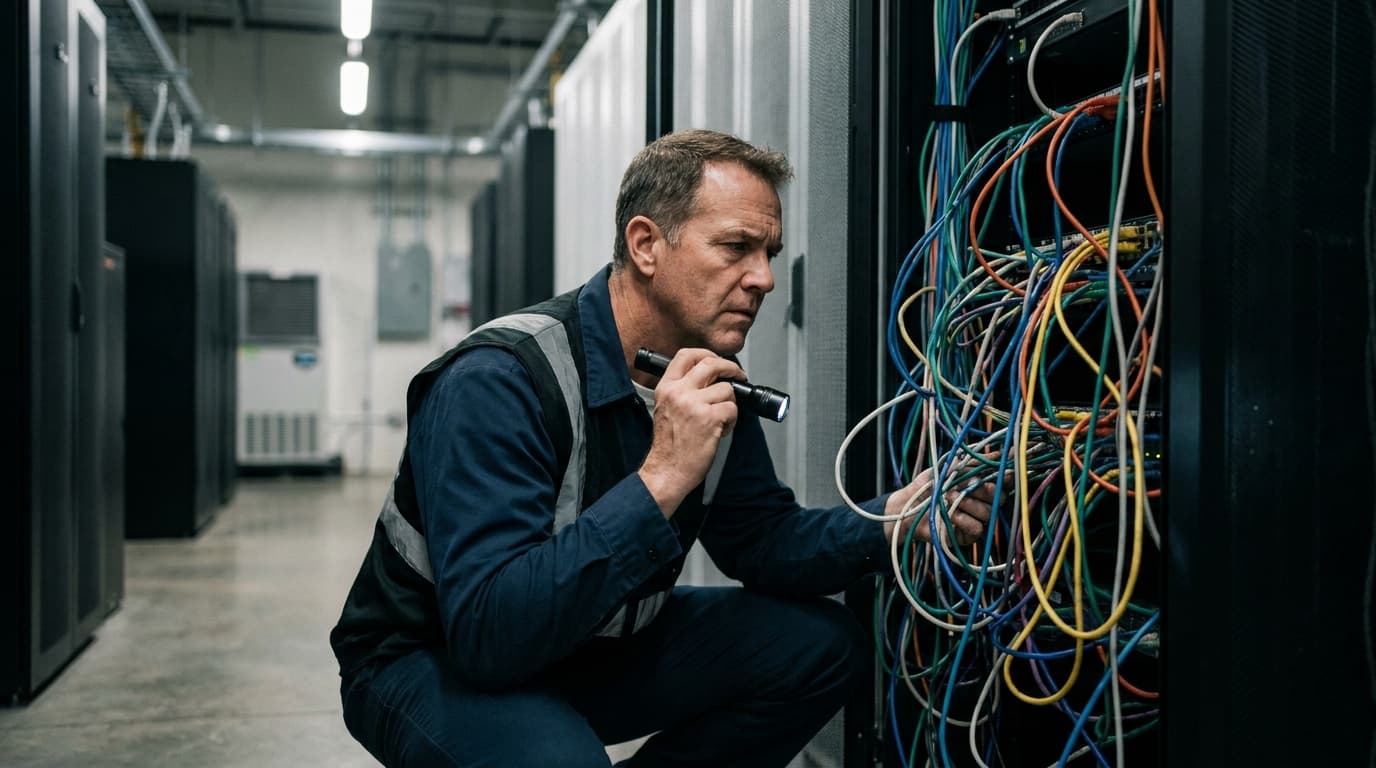
The UK's £100 billion data center boom is hitting a wall. A new survey finds that cabling bottlenecks and the rapid pace of AI mean new facilities are often outdated the moment they go online, threatening the country's tech goals.

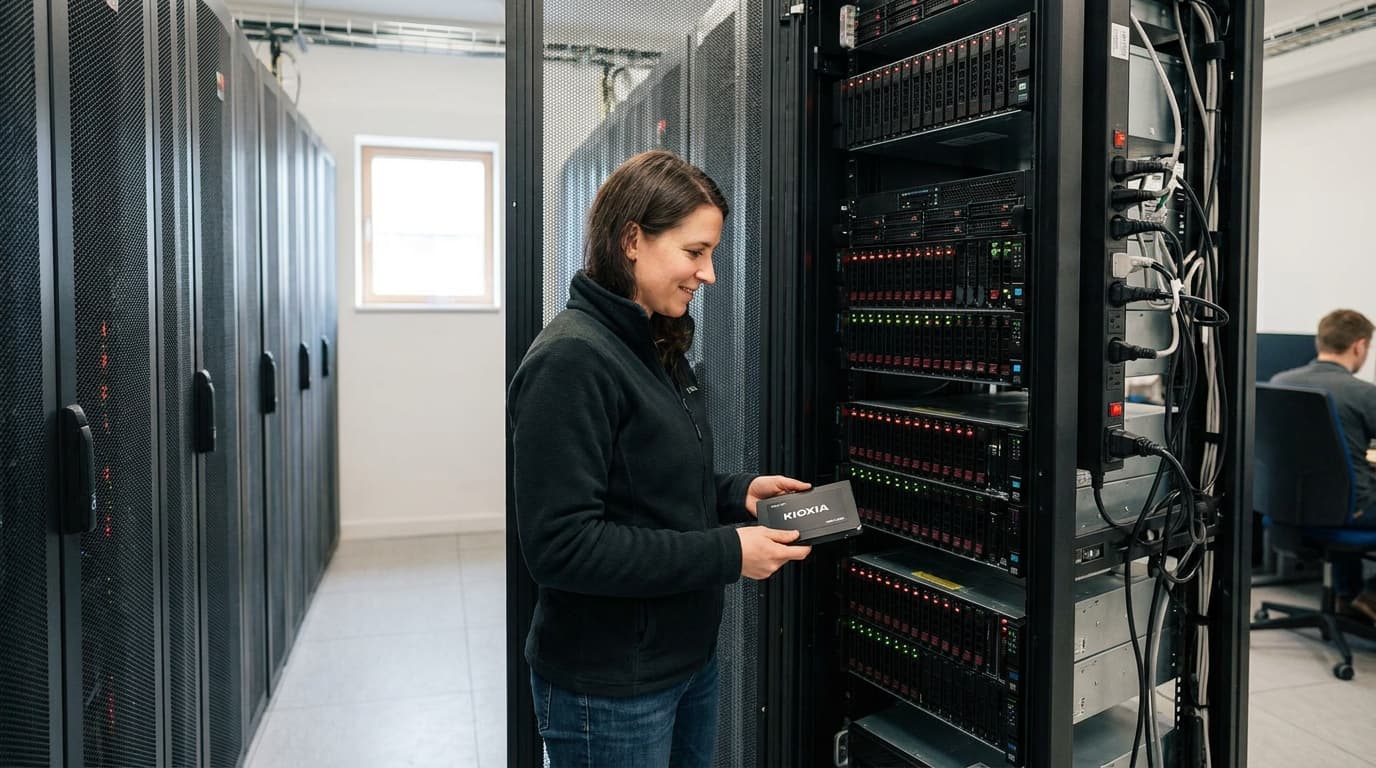
Kioxia is developing new flash memory products that act like traditional RAM. This could help data centers dramatically expand memory capacity for AI workloads without the high cost of DRAM, easing a major infrastructure bottleneck.

European cloud provider OVHcloud is raising server prices by up to 87% for all customers. The company blames the high demand for RAM and storage, driven by the AI boom, for the significant cost increase.

The U.S. is backing an international push to simplify rules for floating nuclear reactors. The goal is to create a new power source for coastal data centers and industry, but it also creates complex new security challenges.

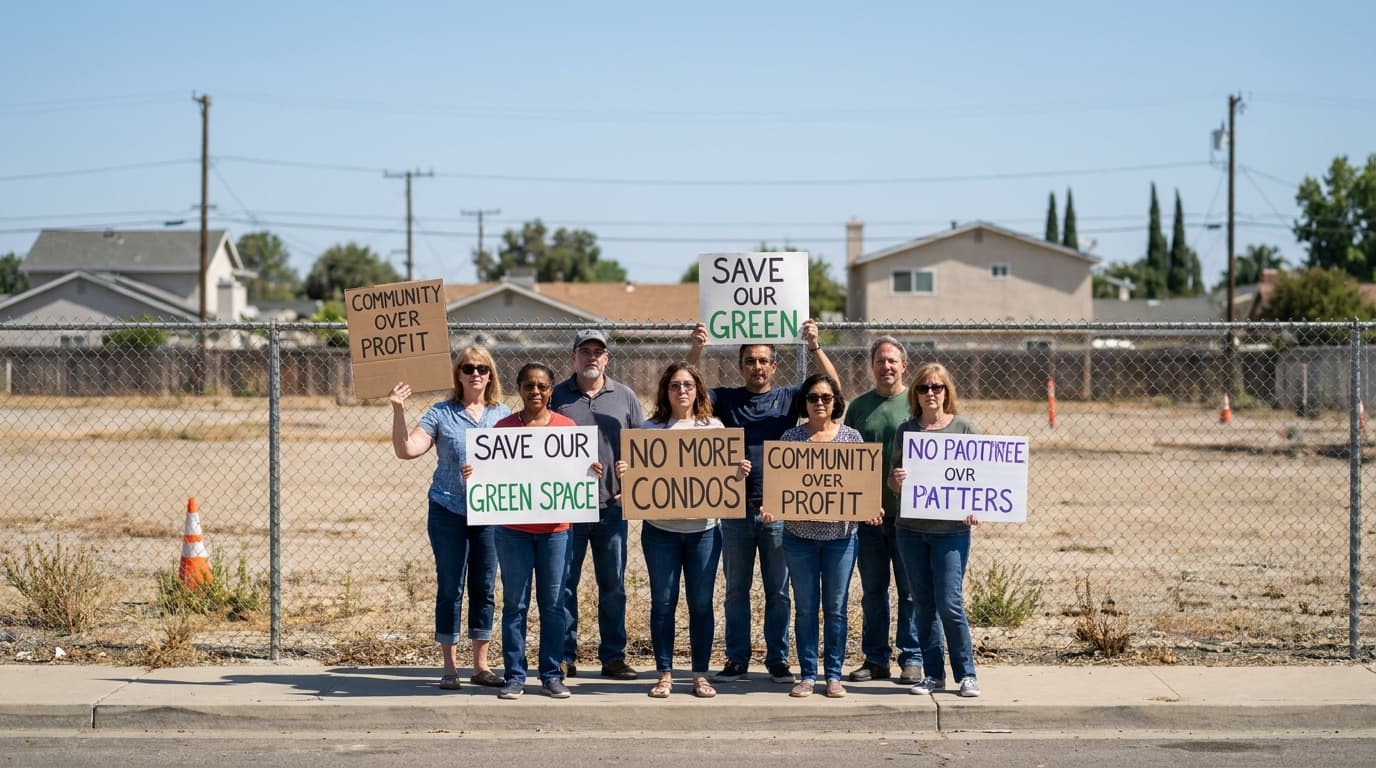
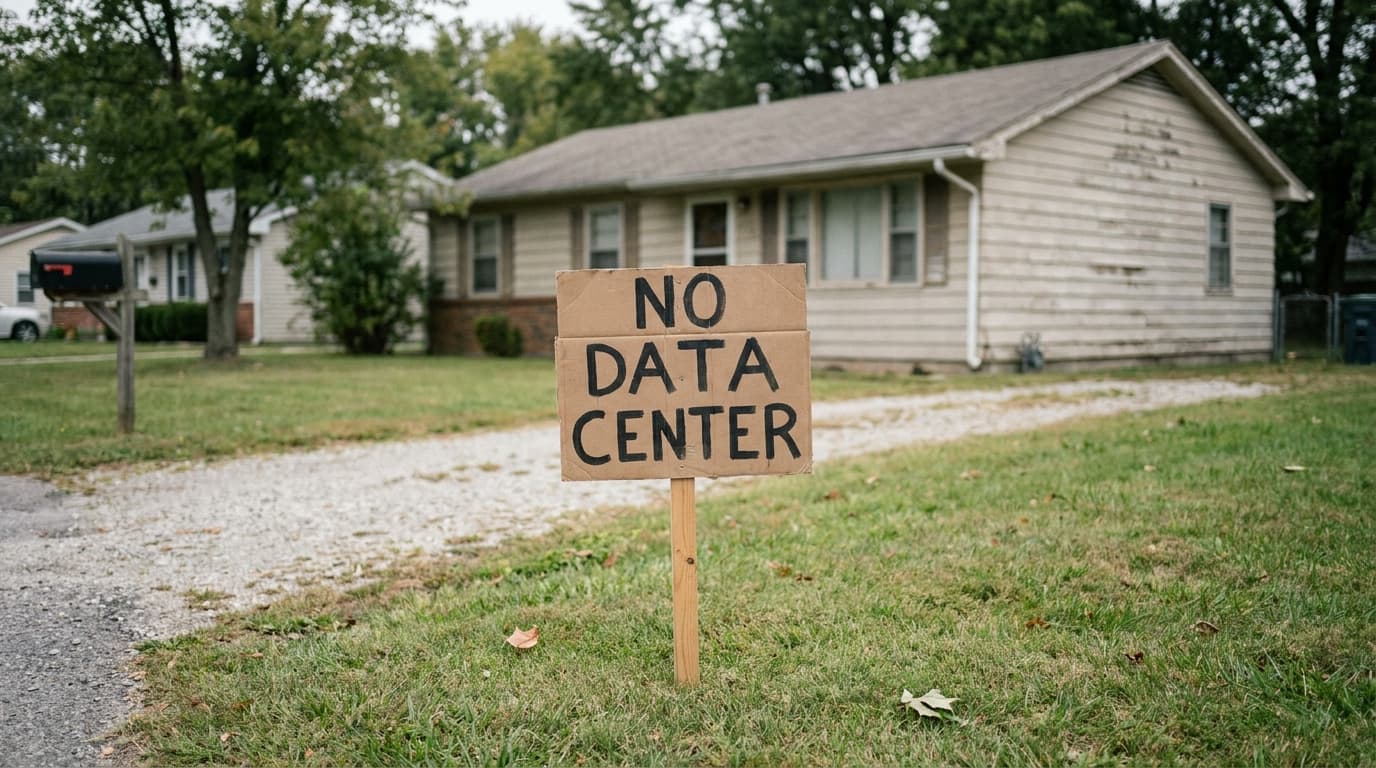
A growing bipartisan movement is successfully blocking new data center construction. This local opposition creates a significant physical and regulatory risk for the future of cloud and AI infrastructure, potentially driving up costs and limiting scalability.

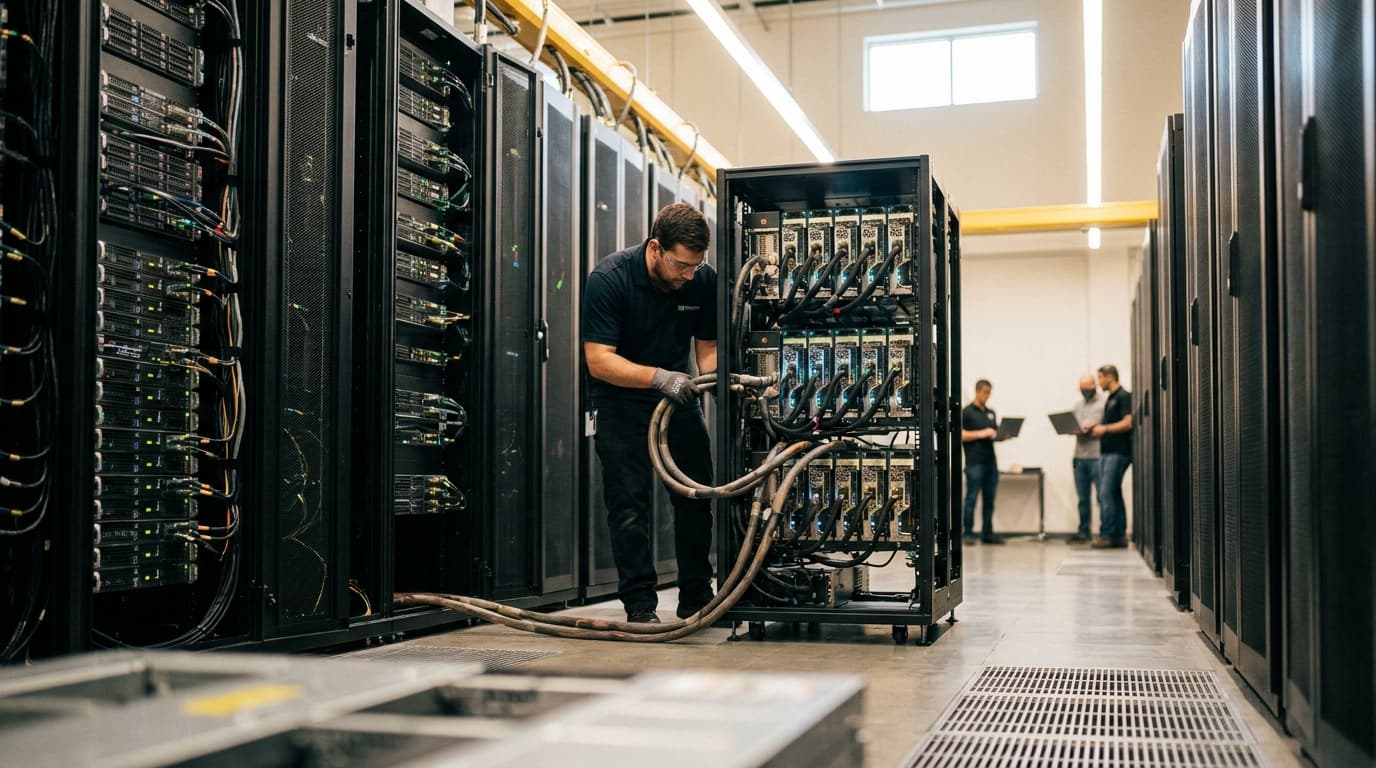
AI workloads are demanding so much power that traditional data centers can't keep up. This is forcing a complete rethinking of infrastructure, from energy supply to cooling, impacting future cloud costs and availability for everyone.

The United Nations is calling on AI companies to disclose their full environmental impact. A new initiative will track water usage, carbon emissions, and land use, increasing pressure on tech firms to build more sustainable AI.

A data center firm is spending $500M to convert 15 former crypto mining sites into AI cloud facilities. The deal highlights the intense competition for the massive power and infrastructure needed to fuel the AI boom.

Reflection AI will pay SpaceX $150 million monthly for access to Nvidia's newest GB300 chips. The deal highlights the intense, high-stakes competition for elite AI computing power and SpaceX's new role as a major infrastructure provider.

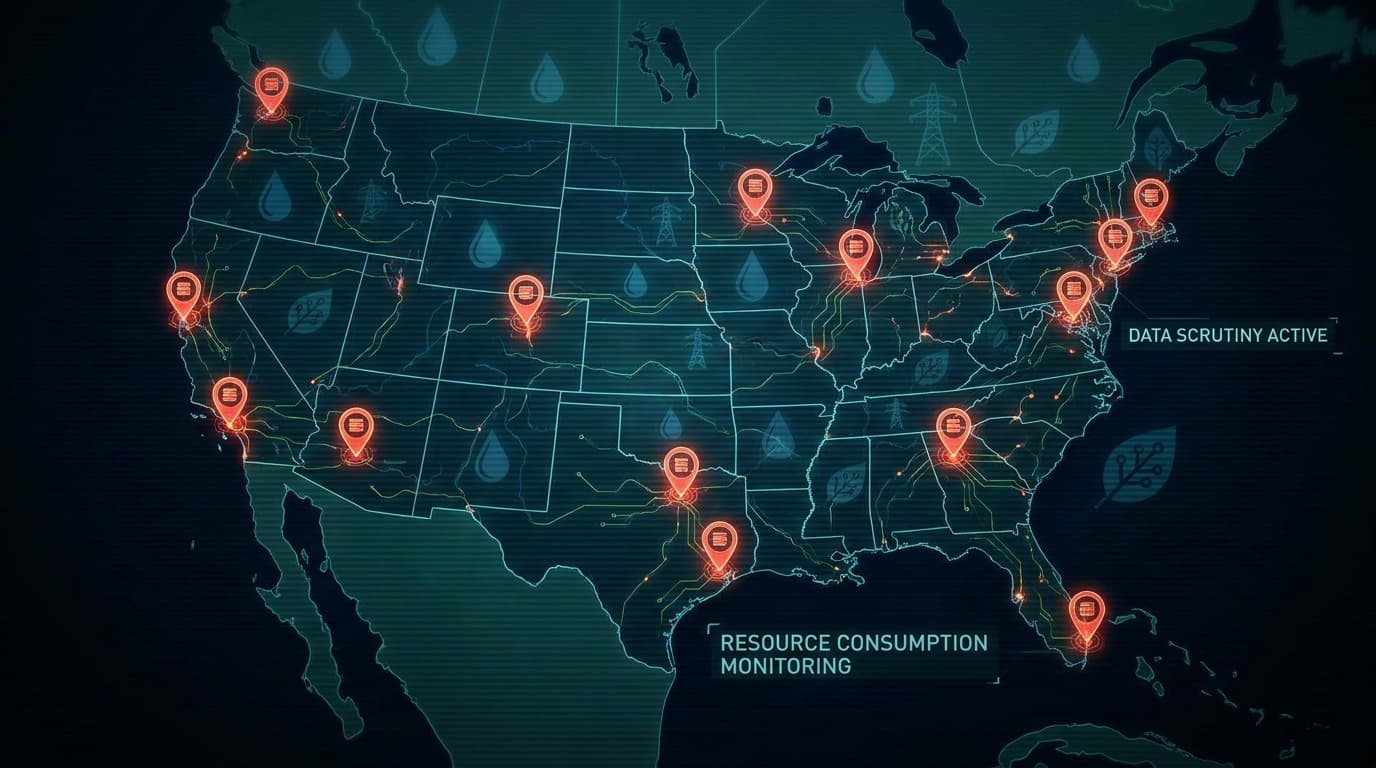
Environmental activist Erin Brockovich has launched a public map to track data centers across the United States. The project aims to highlight their environmental and community impacts, such as high water and energy consumption, bringing increased public scrutiny to the infrastructure sector.

The mayor of Shelbyville, Indiana, was recorded saying only people in "shitty houses" oppose a new $2 billion data center. The incident highlights the growing local resistance tech companies face when building new infrastructure.

A city sold land donated for a public park to data center developers for $10 million. The move shows the huge demand for real estate to support the growing tech industry and the financial pressures on local governments.

The Lombardy region in Italy has introduced a new policy that can increase construction charges for data centers by up to 200%. The higher fees apply specifically to facilities built on green or agricultural land, reflecting a growing pushback against the environmental impact of tech infrastructure.

Data centers and crypto miners in Texas are failing crucial grid stability tests. This threatens the state's power supply and could lead to stricter rules and higher costs for large-scale computing and AI operations.

New solid-state air conditioners offer a more efficient, climate-friendly alternative to traditional ACs. This could be a breakthrough for data centers, but scientists caution the technology still faces significant hurdles before widespread adoption.

New data centers and crypto sites in Texas are failing key reliability tests. This puts the state's power grid at risk of outages this summer, threatening any business that relies on infrastructure in the major tech hub.

Ohio, a major hub for data center construction, has suspended a critical tax break program. The decision comes as the state re-evaluates the financial impact of energy-intensive AI data centers on its budget, signaling a potential shift in how states approach tech infrastructure incentives.

SK Hynix has developed a new High-Bandwidth Memory (HBM) with an integrated cooling layer inside the package. This design directly addresses the heat generated by vertically stacked memory chips, a major bottleneck in AI hardware, aiming to improve performance and reduce cooling costs in AI data centers.

Vesper Energy has secured $236 million for a new 201 MW solar farm in Texas, set to power 53,000 homes. The project, launching in 2027, responds to rising electricity demand on the ERCOT grid, partly driven by the needs of power-hungry data centers.