Floating Nuclear Reactors Could Power Future Data Centers
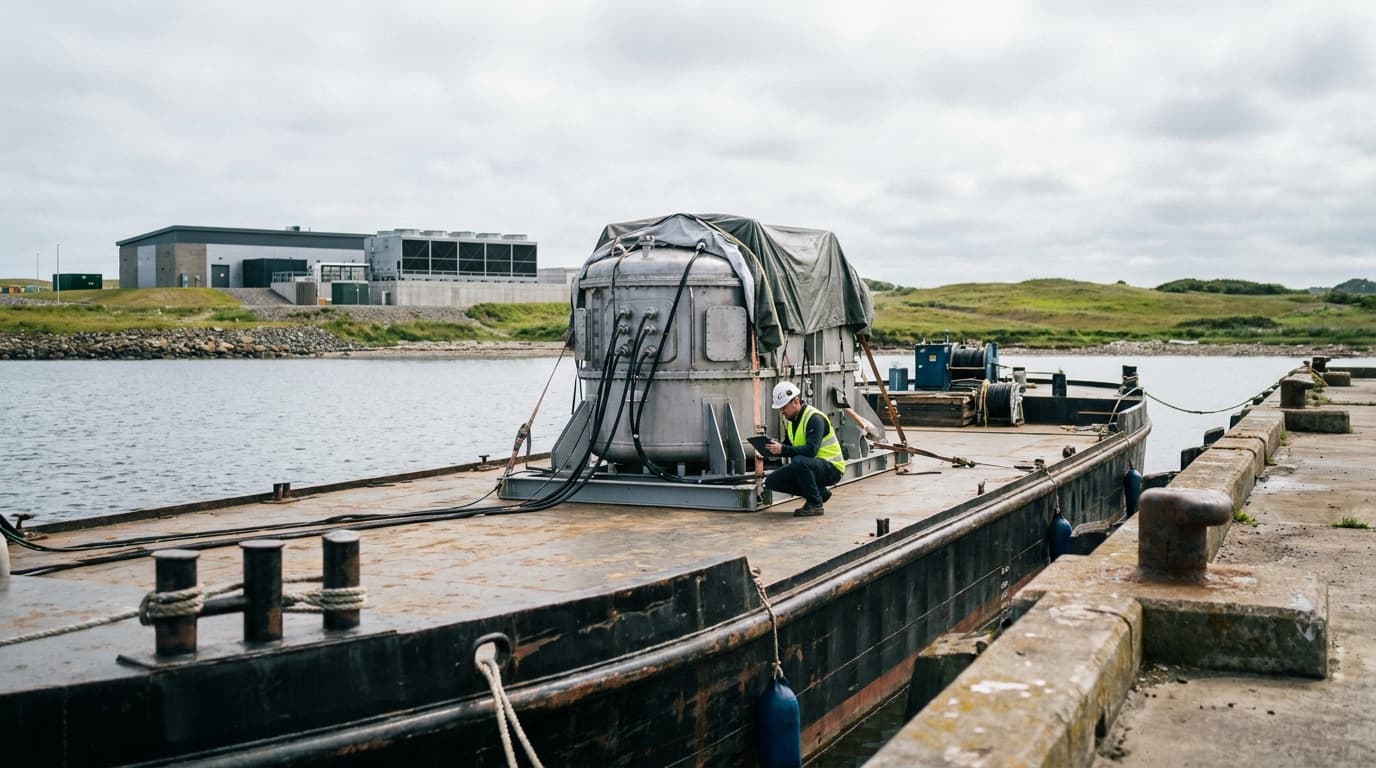
TL;DR: The U.S. is backing an international push to simplify rules for floating nuclear reactors. The goal is to create a new power source for coastal data centers and industry, but it also creates complex new security challenges.
Key facts
- Category
- Infrastructure
- Impact
- High
- Published
- Source
- TechRadar
Full summary
The U.S. is backing a global effort to clear regulatory hurdles for floating nuclear reactors, aiming to power coastal industry and data centers.
The United States government is actively supporting an international effort to streamline regulations for civilian nuclear reactors operating at sea. According to a report by TechRadar, Washington is pushing to clear the legal and safety barriers for reactors on ships and floating platforms. This initiative is being coordinated with the International Atomic Energy Agency (IAEA), the global nuclear watchdog, which is launching a new program called ATLAS (Accelerating Transportable nuclear power for Low-carbon Energy Systems). The primary goal is to establish a clear, internationally accepted framework that would allow for the safe deployment and operation of these mobile power sources. This represents a significant policy shift, aiming to move advanced nuclear technology from land-based facilities into the maritime domain, a move proponents say is crucial for future energy needs and American technological leadership.
The technology at the heart of this proposal is not the sprawling nuclear power plant of popular imagination, but rather Small Modular Reactors (SMRs). Unlike traditional reactors, which are massive, custom-built structures, SMRs are designed to be much smaller and manufactured in a factory setting before being transported to their operational site. This modular approach promises lower costs, faster deployment, and enhanced safety features. Many SMR designs incorporate passive safety systems that can shut down the reactor without human intervention or external power in an emergency. The plan is to mount these compact reactors onto barges or integrate them into large vessels. This would create mobile power stations capable of delivering electricity to coastal areas or powering large industrial ships for years without the need for frequent refueling.
For technology leaders, this development signals a potential paradigm shift in powering critical infrastructure. CTOs and infrastructure teams at companies with large coastal data centers, particularly those running energy-intensive AI workloads, should take note. Floating nuclear reactors could provide a stable, carbon-free, and high-capacity power source, completely independent of often-strained local electrical grids. This could unlock new possibilities for locating massive computing facilities. However, for security teams, the concept introduces a formidable new challenge. A floating nuclear reactor represents an extremely high-value target, combining the vulnerabilities of maritime assets with the catastrophic potential of a nuclear incident. It creates a complex, hybrid threat landscape that spans physical security on the open water, cybersecurity for its operational controls, and the risk of terrorism or state-sponsored attacks.
The business and industrial implications of this regulatory push are vast. If successful, it could create a significant new market for American nuclear engineering firms and technology companies. For industries beyond tech, such as manufacturing and shipping, it offers a path to decarbonize operations and secure reliable power in remote or grid-constrained coastal locations. Despite the potential, the path forward is fraught with obstacles. Public perception of nuclear safety, especially in a marine environment, remains a major hurdle. Environmental groups will raise valid concerns about the risks of accidents and the management of nuclear waste at sea. Furthermore, the immense cost of developing, deploying, and securing these floating assets will require substantial private and public investment.
Looking ahead, the key indicator of progress will be the development of the IAEA's ATLAS program and the specific safety and security standards it produces. Technology and business leaders should monitor for the emergence of pilot projects and early partnerships between data center operators and nuclear technology vendors. The initial deployments are likely to be in controlled, military, or remote industrial settings before any commercial applications near populated areas are considered. The evolving debate around international maritime law, insurance, and decommissioning protocols for these floating reactors will also be critical. While the vision of nuclear-powered coastal data centers is still on the distant horizon, this coordinated regulatory push is the essential first step in turning that concept into a potential reality.
Why it matters
For CTOs and infra teams, this signals a potential new, stable power source for energy-intensive coastal data centers. For security teams, it introduces a complex new threat landscape for critical infrastructure, combining maritime, physical, and cyber risks.
Business impact
This initiative could create a new market for advanced nuclear technology, potentially solving grid-strain issues in coastal regions. However, it faces significant hurdles in public perception, environmental regulation, and the high cost of securing these novel assets.
Tags
Related on Notifire
Related stories
Primary source: TechRadar