Data Center Boom: Higher Bills, Few Permanent Jobs
TL;DR: A projected $57 billion data center boom in Illinois will create 121,000 jobs, but only 2,800 will be permanent. The expansion could also raise household electricity bills by $150 annually.
Key facts
- Category
- Infrastructure
- Impact
- High
- Published
- Source
- TechRadar
Full summary
A $57 billion data center boom in Illinois promises many jobs, but few are permanent and electricity bills are set to rise.
A projected $57 billion wave of data center construction in Illinois is highlighting the complex trade-offs of the global AI and cloud infrastructure boom. According to reporting from TechRadar, this massive investment is expected to generate approximately 121,000 jobs in the state through 2035. However, a closer look at the numbers reveals a significant discrepancy between temporary and long-term employment. Of those jobs, only a small fraction—around 2,800—are projected to be permanent positions. This stark contrast places the investment cost for each lasting job at a staggering $20.2 million. The economic impact extends beyond the job market, directly affecting residents. The immense power required to run these new facilities is expected to strain the local energy grid, potentially causing average household electricity bills to increase by about $150 per year. This situation in Illinois serves as a microcosm of a larger debate about the true costs and benefits of the rapid expansion of digital infrastructure.
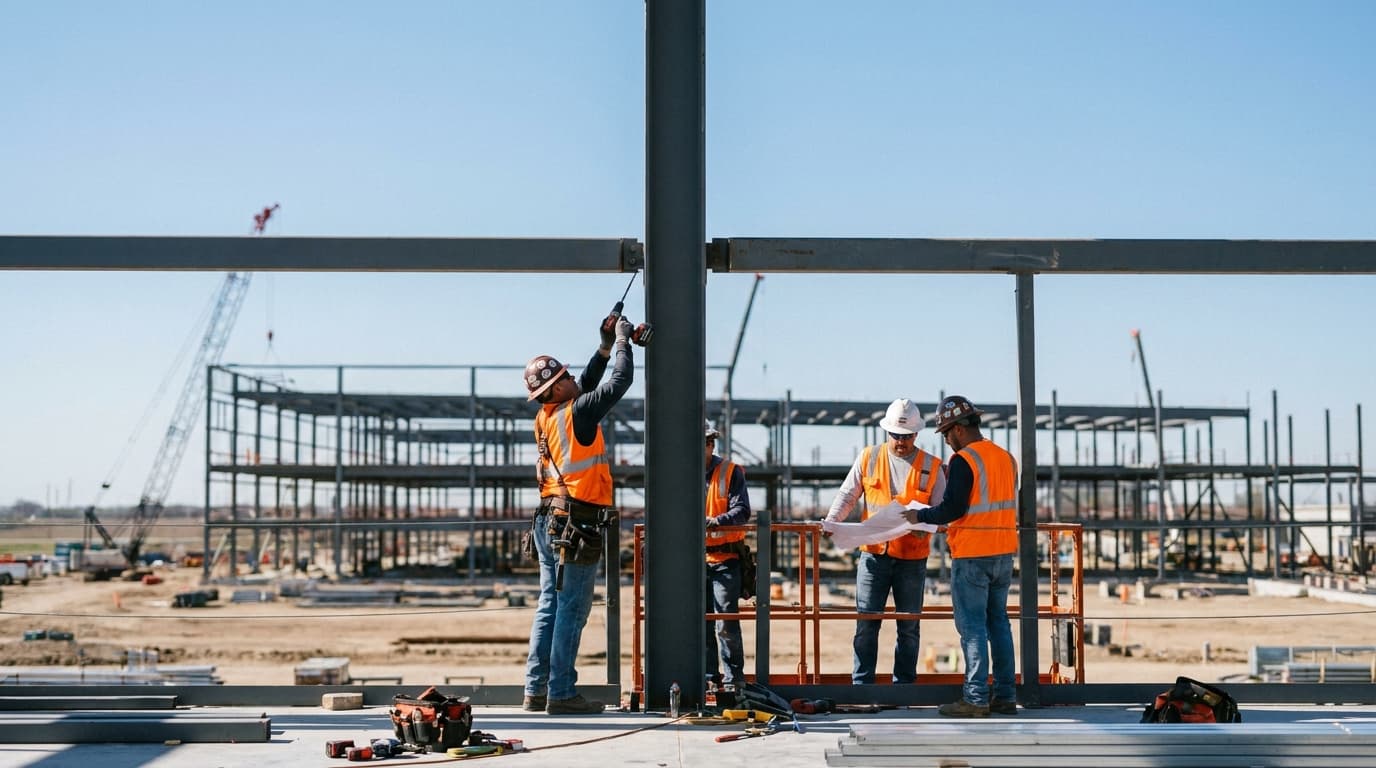
The disparity between temporary construction jobs and permanent operational roles is inherent to the data center development cycle. Building a modern hyperscale facility is a monumental undertaking, requiring thousands of skilled laborers for several years. This includes construction workers to erect the physical structure, electricians to run miles of complex wiring, and specialized technicians to install servers, cooling systems, and networking gear. This initial phase accounts for the vast majority of the 121,000 jobs promised. Once a data center is commissioned and operational, however, its design prioritizes automation and efficiency over human staffing. Day-to-day operations are managed by a relatively small, highly specialized team responsible for hardware maintenance, network monitoring, and physical security. The immense energy consumption stems from the core function of these facilities: powering and cooling tens of thousands of servers running 24/7. This constant, high-density power draw places a unique and significant burden on local utility grids, which were often not designed to support such concentrated demand, leading to necessary infrastructure upgrades and subsequent price hikes for all consumers.
The challenges emerging in Illinois are not an isolated incident but rather a clear signal of a global trend. As the demand for AI processing and cloud storage explodes, tech giants are in an unprecedented race to build the physical backbone to support it. This has created intense competition among states and countries to attract these multi-billion dollar investments, often through generous tax incentives and promises of economic growth. However, communities from Virginia's "Data Center Alley" to Dublin, Ireland, are grappling with the consequences. These include severe strains on power grids, concerns over massive water consumption for cooling in arid regions, and debates over the actual long-term economic benefits versus the public costs. The Illinois case study provides concrete data points for a pattern seen worldwide: the promised job creation figures often mask the temporary nature of the work, while the long-term costs to public infrastructure like the energy grid are borne by the wider community. This dynamic is forcing a global re-evaluation of how to balance the need for digital infrastructure with sustainable local development.
For CTOs, founders, and infrastructure teams, the situation in Illinois is a critical indicator of future operational realities. The era of treating cloud computing power as a cheap, limitless utility is rapidly coming to an end. As data center operators contend with rising electricity costs, grid instability, and potential new regulations or "grid-impact" fees, these expenses will inevitably be passed on to customers in the form of higher prices for cloud services and colocation. This trend elevates the importance of energy efficiency in software architecture and infrastructure design from a "nice-to-have" to a core business imperative. Companies must now more carefully consider the geographic location of their cloud resources, factoring in regional energy costs and grid reliability into their deployment strategies. Looking ahead, expect to see more scrutiny on the power usage effectiveness (PUE) of cloud providers and a greater push for developing applications that are computationally efficient. The true cost of a query or a model inference will increasingly include its energy footprint, directly impacting bottom-line expenses.
Why it matters
The massive power and infrastructure demands of AI and cloud computing are now directly impacting public grids and consumer costs. For engineers and infrastructure leaders, this signals that the underlying costs of computation are rising, making energy-efficient architecture and strategic data center site selection critical operational concerns.
Business impact
The data center boom's strain on local utilities will likely translate to higher cloud service and colocation costs for businesses. Companies must now factor rising energy prices and potential grid instability into their infrastructure budgets and risk assessments, as these external factors can directly impact operational expenses and service reliability.
Tags
Related on Notifire
Related stories
Primary source: TechRadar