7 verified briefings on Cloud Infrastructure. Each story includes a plain-English summary, why it matters, and the concrete action engineering teams should take.
Amazon ECS can now adjust application capacity much faster, thanks to new high-resolution metrics. This allows services to react to traffic spikes in seconds instead of minutes, improving performance and potentially lowering cloud costs.
The Lombardy region in Italy has introduced a new policy that can increase construction charges for data centers by up to 200%. The higher fees apply specifically to facilities built on green or agricultural land, reflecting a growing pushback against the environmental impact of tech infrastructure.
Google Cloud is introducing a new way to manage planned maintenance. Instead of tracking individual resource updates across many projects, teams can now view maintenance events in the context of their business services. This change aims to reduce operational overhead for platform and SRE teams.
Ohio, a major hub for data center construction, has suspended a critical tax break program. The decision comes as the state re-evaluates the financial impact of energy-intensive AI data centers on its budget, signaling a potential shift in how states approach tech infrastructure incentives.
AWS is replacing its standard data center network design with a new architecture based on random graph theory. This new flat, mesh-like structure uses fewer routers and passive optical connections, resulting in significantly higher throughput, lower power consumption, and reduced hardware complexity.
Microsoft has withdrawn its proposal for a 244-acre data center campus in Caledonia, Wisconsin, following significant community opposition. The decision highlights growing local resistance to large-scale infrastructure projects, which can impact cloud service expansion plans for major tech companies and their customers.
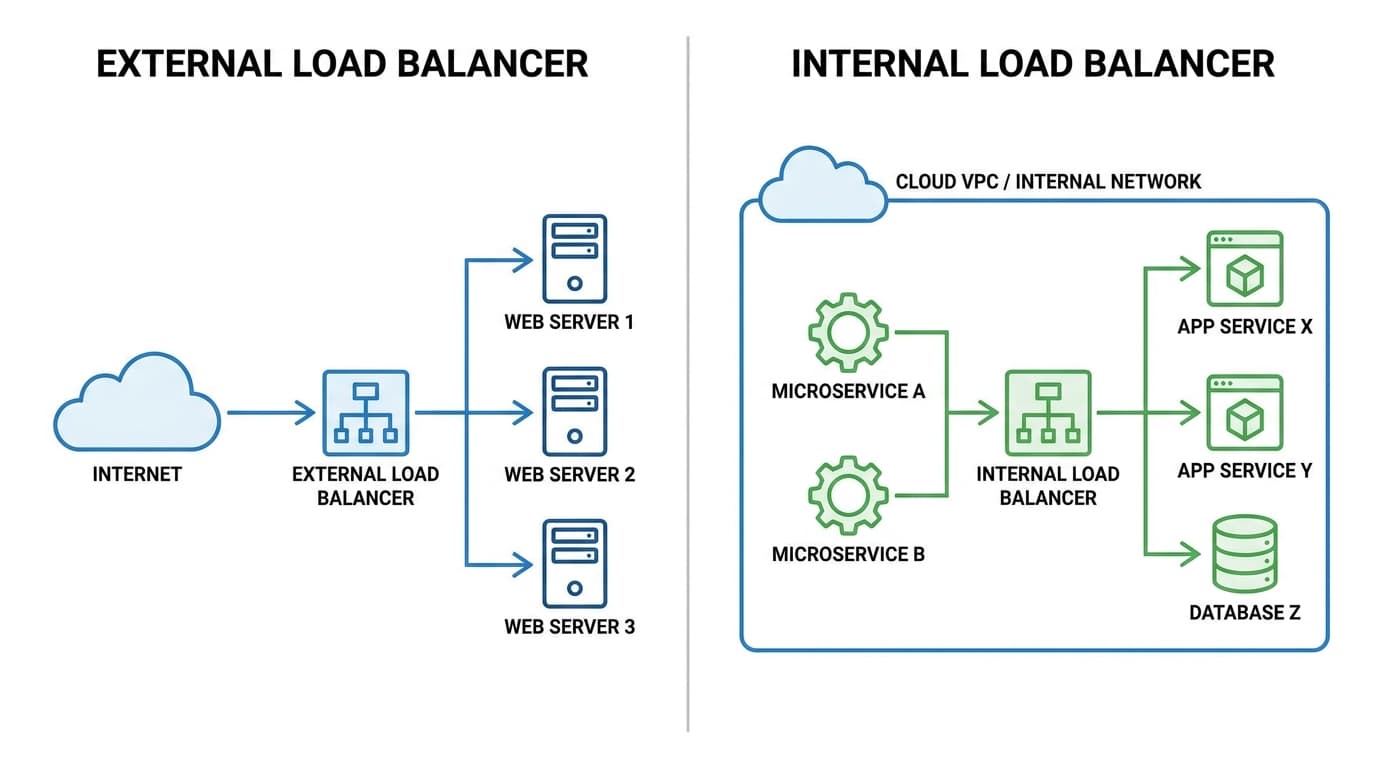
External load balancers direct public internet traffic to internal services using a public IP address. In contrast, internal load balancers manage traffic exclusively within a private network, routing requests between internal resources. Understanding this key difference is essential for building scalable and secure application architectures.