Samsung Is Building Data Centers That Float
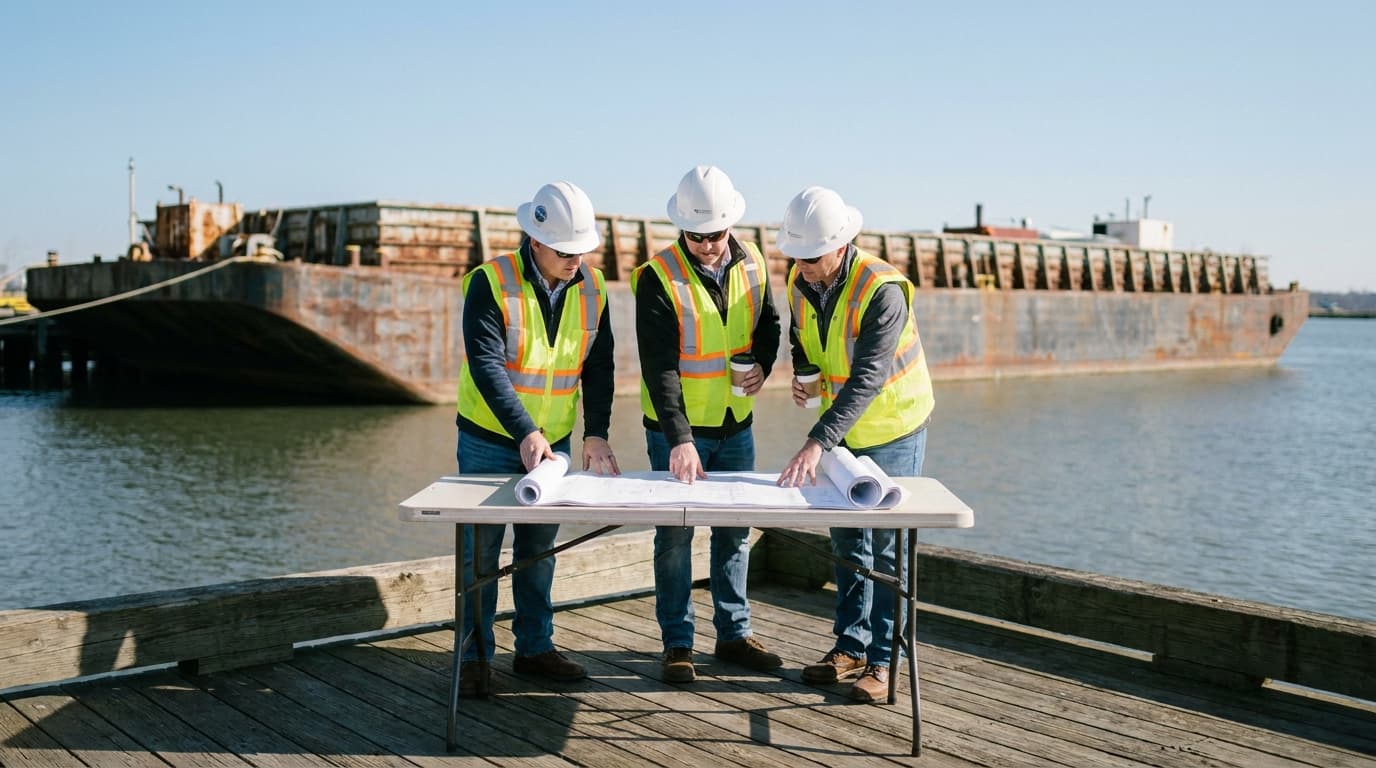
TL;DR: Samsung is developing floating data centers for Texas. These waterborne facilities could provide 50MW of power and use the surrounding water for cooling, significantly speeding up construction compared to land-based sites.
Key facts
- Category
- Infrastructure
- Impact
- High
- Published
- Source
- TechRadar
Full summary
Samsung is building floating data centers in Texas, promising faster deployment and using water for efficient, natural cooling.
Samsung Heavy Industries is taking a concrete step toward building floating data centers in Texas, according to a report from TechRadar. The company has signed an engineering contract with Mousterian Corporation, a Dallas-based firm, to advance the project. This agreement marks a significant move from concept to practical planning for a waterborne facility that could deliver up to 50 megawatts of power. The partnership aims to leverage Samsung's expertise in shipbuilding and large-scale industrial projects to create a novel solution for the rapidly growing demand for data processing capacity. By moving infrastructure from land to water, the project seeks to overcome some of the most significant hurdles facing the data center industry today, including lengthy construction timelines and the scarcity of suitable real estate. This initial engineering phase will be critical in defining the technical specifications and feasibility of deploying such a structure in a real-world environment, setting the stage for a potential new class of infrastructure.
The core concept of a floating data center revolves around constructing the entire facility on a modular, waterborne platform, similar to a large barge. This approach fundamentally changes the construction process. Instead of being built piece by piece on a plot of land over several years, the data center can be manufactured in a controlled shipyard environment. This parallelizes the process, as the site can be prepared while the structure itself is being built elsewhere, drastically reducing the total time to deployment. A major technical advantage is the potential for highly efficient cooling. The facility can use the surrounding body of water as a massive heat sink, drawing in cool water to absorb the immense heat generated by servers and then discharging the slightly warmer water back into the environment. This method, known as direct water cooling, is far more energy-efficient than the large-scale air conditioning systems and cooling towers required by traditional land-based data centers, which consume enormous amounts of electricity and fresh water.
This development is particularly relevant for CTOs, infrastructure planners, and IT leaders struggling to keep pace with the explosive demand for computing power, especially from artificial intelligence workloads. The primary benefit is speed. A floating data center could potentially be deployed in half the time of a conventional facility, allowing companies to scale their capacity much more dynamically in response to market needs. This agility is a significant competitive advantage in the fast-moving tech landscape. Furthermore, the model addresses the critical challenges of land acquisition and zoning regulations, which often delay or block new projects in desirable locations. For businesses focused on sustainability and reducing operational costs, the energy savings from water-based cooling present a compelling financial and environmental case. It offers a path to expanding compute resources while potentially lowering the long-term power usage effectiveness (PUE) ratio, a key metric for data center efficiency.
From a broader industry perspective, Samsung's project represents a serious exploration of alternative data center architectures. The traditional model of building massive, land-locked "server farms" is facing increasing pressure from all sides: power grid limitations, water scarcity, community opposition, and soaring construction costs. If successful, floating data centers could become a viable and attractive option for coastal cities or regions with large inland waterways, effectively expanding the map of potential locations. This innovation is a direct response to the physical constraints threatening to slow down the AI revolution. The practical takeaway for business leaders is that the future of infrastructure may not be confined to land. Keeping an eye on pioneering projects like this is crucial for long-term strategic planning, as they could unlock new possibilities for global expansion and more sustainable operations. It challenges the industry to think beyond conventional designs to solve next-generation problems.
While innovative, the concept is not entirely without precedent. Microsoft famously experimented with a submerged data center in its Project Natick, which involved sinking a container-sized unit off the coast of Scotland. Samsung's approach appears to focus on a surface-floating vessel, which presents different engineering and operational challenges but may offer greater accessibility and scalability. The next major hurdles for the Texas project will be navigating the complex web of maritime and environmental regulations, securing a reliable high-capacity connection to the state's power grid, and ensuring the physical security of a critical asset on the water. The stability of the Texas grid itself remains a point of concern for any large-scale industrial project. Stakeholders should watch for the outcomes of this engineering study and the subsequent permitting processes, as these will determine whether this ambitious vision can become a reality.
Why it matters
Floating data centers could drastically speed up infrastructure deployment, helping companies scale faster to meet AI demand. They also solve major land acquisition and cooling efficiency problems, offering a more sustainable and potentially cheaper way to build.
Business impact
This project signals a shift away from traditional data center construction. If successful, it could create a new market for waterborne facilities, enabling expansion in coastal areas and challenging the industry to adopt more innovative and efficient infrastructure models.
Tags
Related on Notifire
Related stories
Primary source: TechRadar