Mayor Says Data Center Opponents Live in 'Shitty Houses'
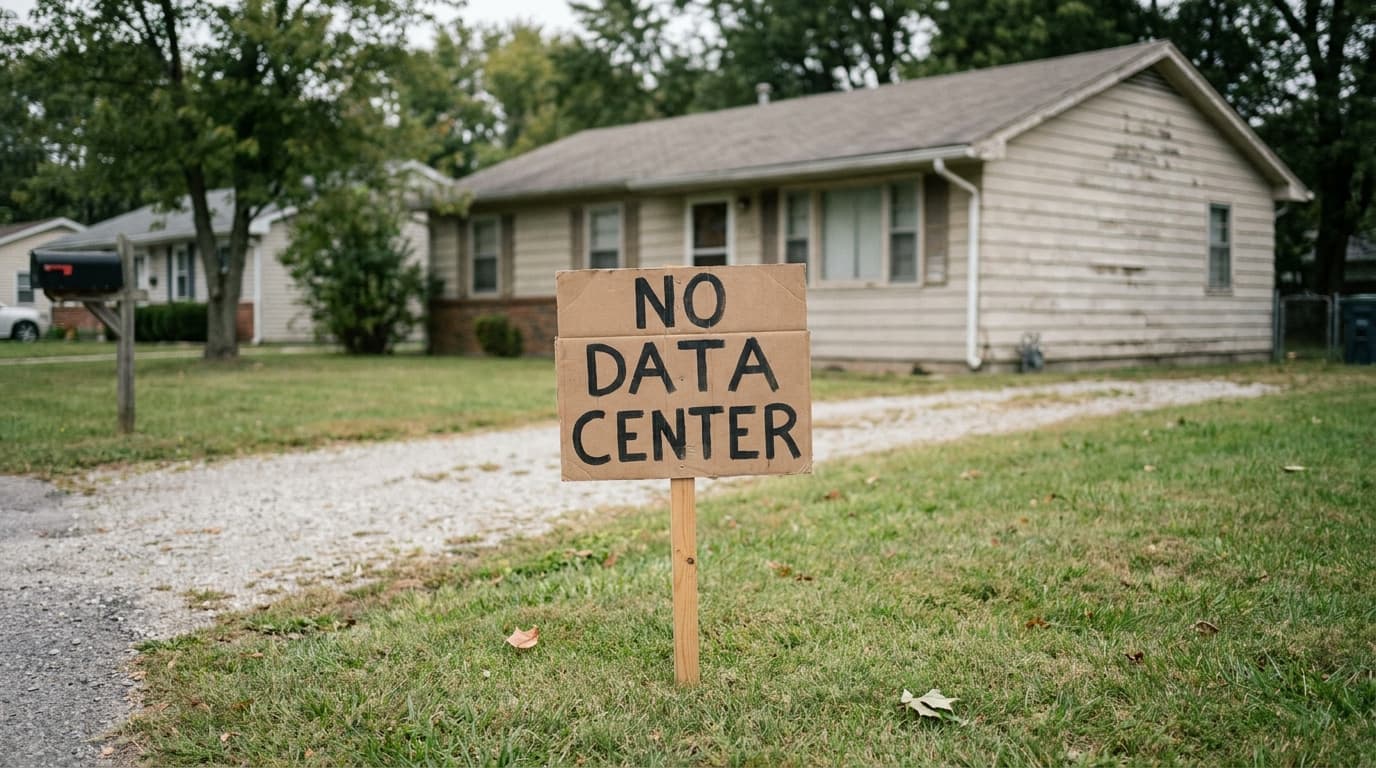
TL;DR: The mayor of Shelbyville, Indiana, was recorded saying only people in "shitty houses" oppose a new $2 billion data center. The incident highlights the growing local resistance tech companies face when building new infrastructure.
Key facts
- Category
- Tech Updates
- Impact
- Low
- Published
- Source
- The Verge
Full summary
An Indiana mayor said only people in "shitty houses" oppose a proposed $2 billion data center, escalating a local dispute.
A proposed $2 billion data center has become a major point of conflict in Shelbyville, Indiana. The controversy escalated after Mayor Scott Furgeson was caught on camera making dismissive comments about residents who oppose the project. While observing "No Data Center" signs around town, he remarked, "I've seen a lot of these all over town, but I only see them in shitty houses." He then added that most of the homes with signs were rentals. The comments have intensified the debate, turning the infrastructure project into a heated political issue about class and community respect.
This local dispute reflects a broader challenge for the technology industry. The demand for AI and cloud services is fueling a global data center construction boom. However, these massive facilities require huge amounts of electricity and water, and they don't always create a large number of long-term local jobs. As a result, tech companies are facing increasing pushback from communities concerned about environmental impact, resource strain, and noise. For founders and CTOs, the Shelbyville incident is a clear warning that building physical infrastructure involves navigating complex social and political landscapes, not just technical hurdles.
Failing to manage community relations can lead to significant project delays, negative press, and lasting reputational damage. The situation in Indiana shows that public perception and local government support are critical risks that must be managed. As the industry continues its rapid expansion, companies will need to prioritize transparent communication and community engagement to ensure their projects are seen as beneficial partnerships rather than unwelcome intrusions. The success of future infrastructure projects may depend more on public approval than on technical specifications.
Why it matters
This incident highlights the growing real-world friction between the tech industry's need for massive infrastructure and the concerns of local communities. For leaders planning expansion, it's a case study in how quickly projects can be derailed by poor community relations and political missteps.
Business impact
Local opposition to data centers can cause significant project delays, increase costs, and create reputational damage. This can impact a company's ability to scale its infrastructure to meet growing demand for AI and cloud services, directly affecting growth roadmaps and operational stability.
Tags
Related on Notifire
Related stories
Primary source: The Verge