New Solid-State ACs Could Transform Data Centers
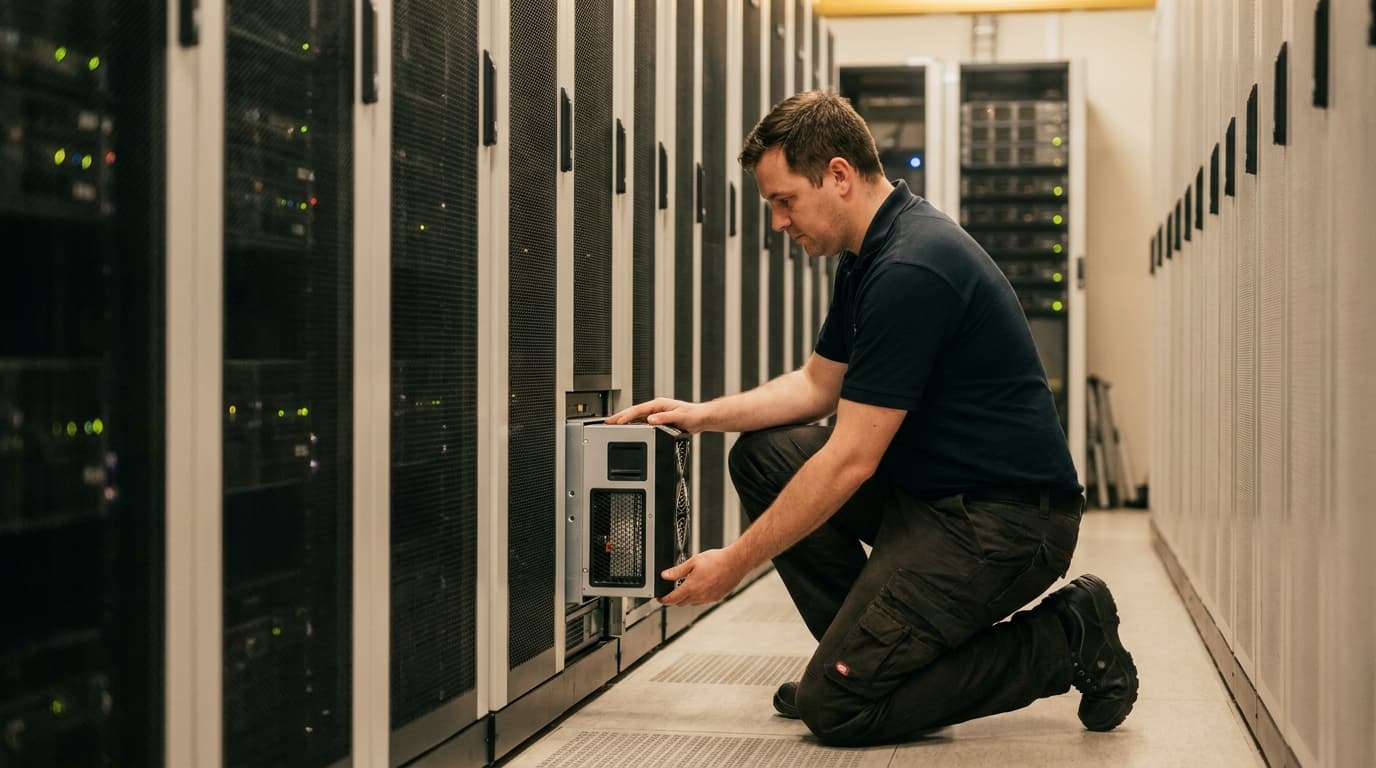
TL;DR: New solid-state air conditioners offer a more efficient, climate-friendly alternative to traditional ACs. This could be a breakthrough for data centers, but scientists caution the technology still faces significant hurdles before widespread adoption.
Key facts
- Category
- Tech Updates
- Impact
- High
- Published
- Source
- MIT Technology Review
Full summary
A new solid-state cooling technology promises to slash energy use in data centers, but scientists warn it's not ready for prime time.
With global temperatures rising, the demand for air conditioning is surging. The International Energy Agency predicts the number of AC units will triple by 2050, placing immense strain on power grids and contributing significantly to greenhouse gas emissions. In response, researchers and startups are developing a new alternative: solid-state cooling. This technology uses specialized materials to transfer heat without the chemical refrigerants and compressors found in conventional systems. The goal is to create a more efficient, reliable, and environmentally friendly way to cool our spaces and, crucially, our technology infrastructure.
The implications for the tech industry are enormous, particularly for data centers. Cooling is one of the biggest operational expenses for any data center, often accounting for up to 40% of total electricity consumption. For CTOs and infrastructure managers, a breakthrough in cooling efficiency could lead to substantial cost savings and help meet ambitious corporate sustainability goals. Solid-state systems promise a smaller physical footprint, less maintenance due to fewer moving parts, and the elimination of harmful refrigerants. This makes the technology a high-stakes development for companies scaling their computing infrastructure while trying to reduce their carbon footprint.
However, experts urge caution. While the promise of solid-state cooling is significant, the technology is still in its early stages and faces major hurdles. Scientists point out that current prototypes have not yet achieved the efficiency or cooling capacity needed to replace traditional systems at scale, especially in high-density environments like data centers. Widespread commercial viability may still be years away, pending further breakthroughs in materials science and manufacturing. For now, solid-state cooling remains a critical area of research to watch, but it is not an immediate solution for the industry's growing energy challenges.
Tags
Related on Notifire
Related stories
Primary source: MIT Technology Review