Data Centers Are Failing Texas Power Grid Tests
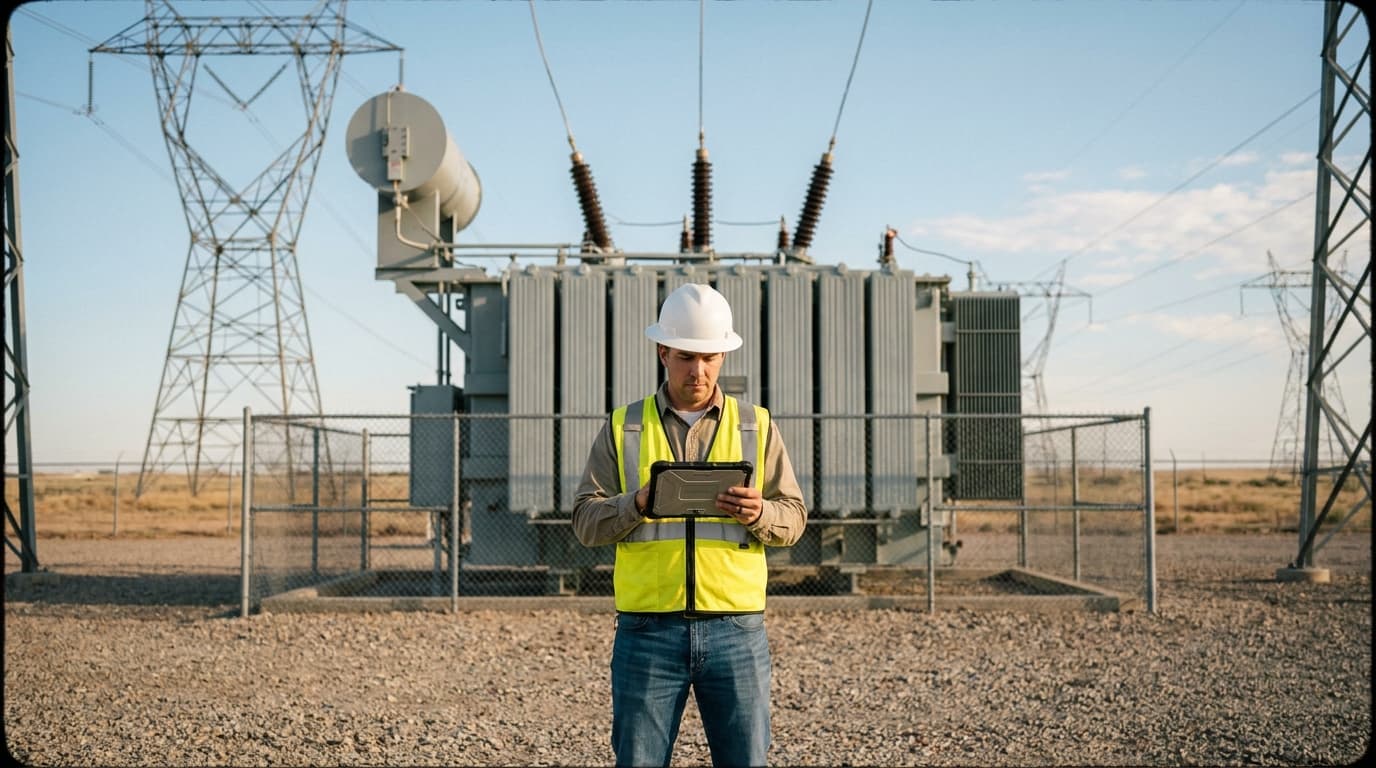
TL;DR: Data centers and crypto miners in Texas are failing crucial grid stability tests. This threatens the state's power supply and could lead to stricter rules and higher costs for large-scale computing and AI operations.
Key facts
- Category
- Infrastructure
- Impact
- High
- Published
- Source
- Hacker News
Full summary
New data centers and crypto miners in Texas are failing key power grid stability tests, creating a risk of blackouts.
The Electric Reliability Council of Texas (ERCOT), which manages the state's power grid, has issued a warning about new data centers and cryptocurrency mining sites. A significant number of these facilities are failing to pass essential voltage stability tests. These tests ensure that large power consumers can help maintain a stable grid, which is critical for preventing blackouts. According to ERCOT's report, these sites are not providing enough "reactive power," a key component for grid health. The problem is widespread, with many proposed projects failing the initial screening process. This is the first time the grid operator has publicly detailed this specific risk from the rapid growth of power-hungry tech operations. The issue stems from the unique way these facilities draw massive, constant amounts of power, which can disrupt the delicate balance of the electrical system.
This development is a major red flag for the booming AI and data center industries, which are increasingly looking to states like Texas for expansion. For CTOs, founders, and infrastructure teams, it signals a new and significant operational risk. The promise of cheap and abundant power is now being challenged by the physical limitations of the grid. If these stability issues are not resolved, companies may face connection delays, stricter technical requirements, or be forced to invest in their own expensive power-conditioning equipment. This could increase the capital and operational costs of running large-scale compute infrastructure, potentially impacting the financial models for new AI services and crypto mining operations. It also raises the possibility of new regulations that could slow down the pace of development for the entire sector.
ERCOT is now considering new rules to address the problem. These could include forcing new facilities to install equipment that can provide the necessary voltage support, a cost that would be passed on to the operators. The situation in Texas serves as a case study for other regions experiencing similar growth in demand from data centers. As the AI industry's appetite for energy continues to grow exponentially, the stability of local power grids will become a central factor in deciding where to build new infrastructure. The outcome of this issue in Texas will likely set a precedent for how grid operators and tech companies collaborate over energy consumption and grid stability in the future.
Why it matters
The stability and cost of power are becoming critical bottlenecks for AI and data center growth. This report shows that simply having access to power isn't enough; grid integration is a complex, costly new hurdle for infrastructure planning.
Business impact
Companies building or relying on large-scale compute may face significant project delays, higher capital expenditures for power-stabilizing equipment, and increased operational costs. This could slow the pace of AI development and impact the profitability of data-intensive businesses.
Tags
Related on Notifire
Related stories
Primary source: Hacker News