Donated Park Land Sold for a $10M Data Center
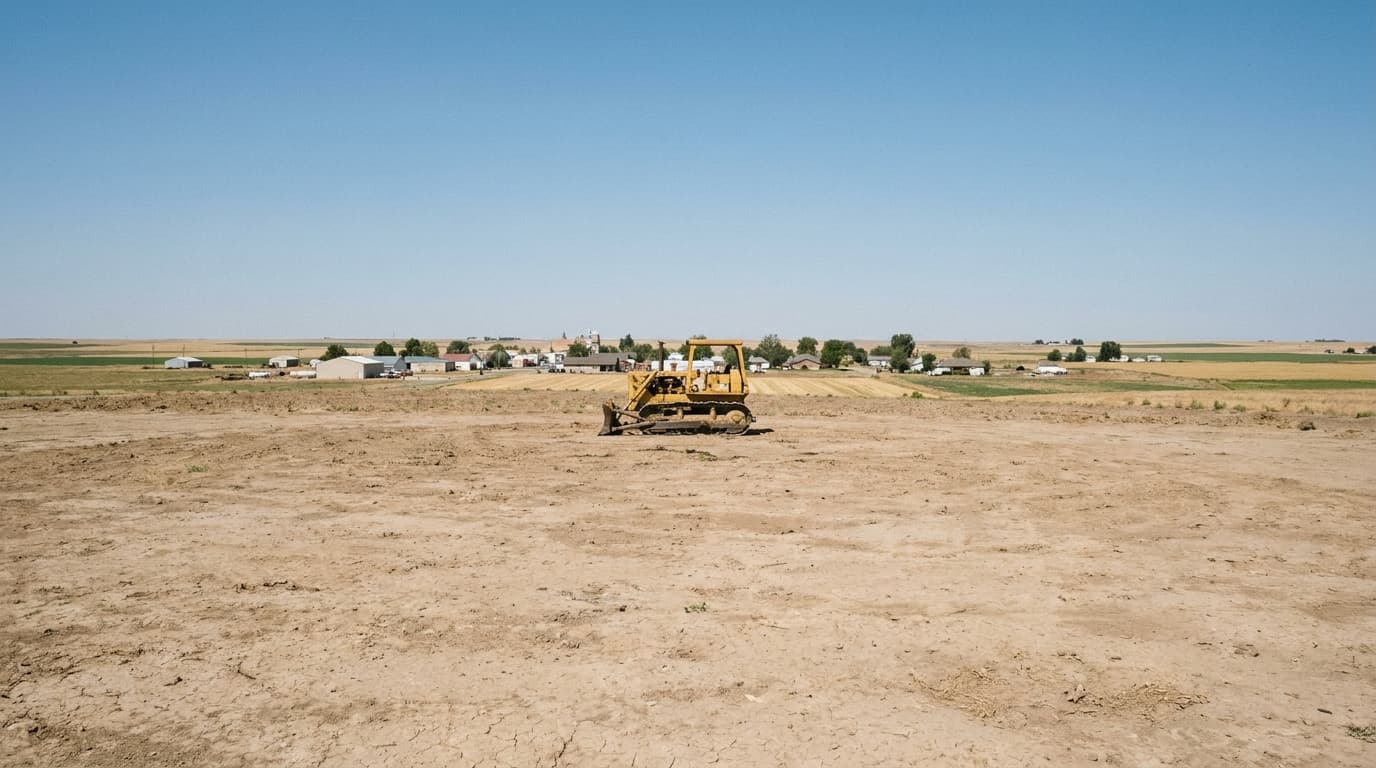
TL;DR: A city sold land donated for a public park to data center developers for $10 million. The move shows the huge demand for real estate to support the growing tech industry and the financial pressures on local governments.
Key facts
- Category
- Infrastructure
- Impact
- Low
- Published
- Source
- Hacker News
Full summary
A farmer donated land for a park. The city sold it for $10 million to data center developers, sparking local debate.
A farmer in Quincy, Washington, donated 40 acres of land to the city, intending it to become a public park. The land, gifted for just $10, was later rezoned by the city from "public" to "industrial." The city then sold the property for $10 million to a data center developer. The farmer's family expressed disappointment, stating the original intent was for community recreation, not industrial use. The city government defended the sale, citing the significant economic benefits. They project the data center will generate an estimated $30 million in tax revenue over the next decade, funds they argue are crucial for providing public services. This decision has ignited a local debate about community values versus economic development, especially as the demand for data centers continues to grow.
This case highlights a growing trend across the country: the clash between community land use and the tech industry's insatiable need for physical space. Data centers, which power everything from cloud computing to AI, require vast amounts of land, power, and water. For local governments, they represent a massive source of tax revenue, making them an attractive option for economic development. However, this often puts them in direct conflict with residents' desires for green spaces and other community amenities. For tech leaders and developers, this story is a reminder of the importance of community relations and the potential for public backlash when development plans are perceived as overriding local interests. The financial incentives are powerful, but they don't eliminate the social and political risks involved in securing land for new infrastructure projects.
As the AI boom accelerates, the demand for data centers will only intensify, likely leading to more conflicts like the one in Quincy. Communities are becoming more aware of the environmental and social trade-offs associated with large-scale data center development, from high energy and water consumption to the loss of public land. Tech companies and local officials will face increasing pressure to find sustainable solutions and engage in transparent planning processes. The outcome of these local land-use battles will shape the physical landscape of the digital economy, determining where and how the infrastructure that supports our online lives gets built. The balance between economic growth driven by tech and the preservation of community character will be a key challenge for cities everywhere.
Why it matters
The insatiable demand for data center land is creating conflicts with local communities, posing reputational and logistical risks for tech companies. This highlights the growing importance of community engagement in infrastructure development.
Business impact
Companies building data centers face increasing public scrutiny and potential project delays over land use. The high financial incentives for municipalities can smooth the way but also create public backlash, impacting brand reputation and long-term community relations.
Tags
Related on Notifire
Related stories
Primary source: Hacker News