Enterprise Security Gets an AI Upgrade
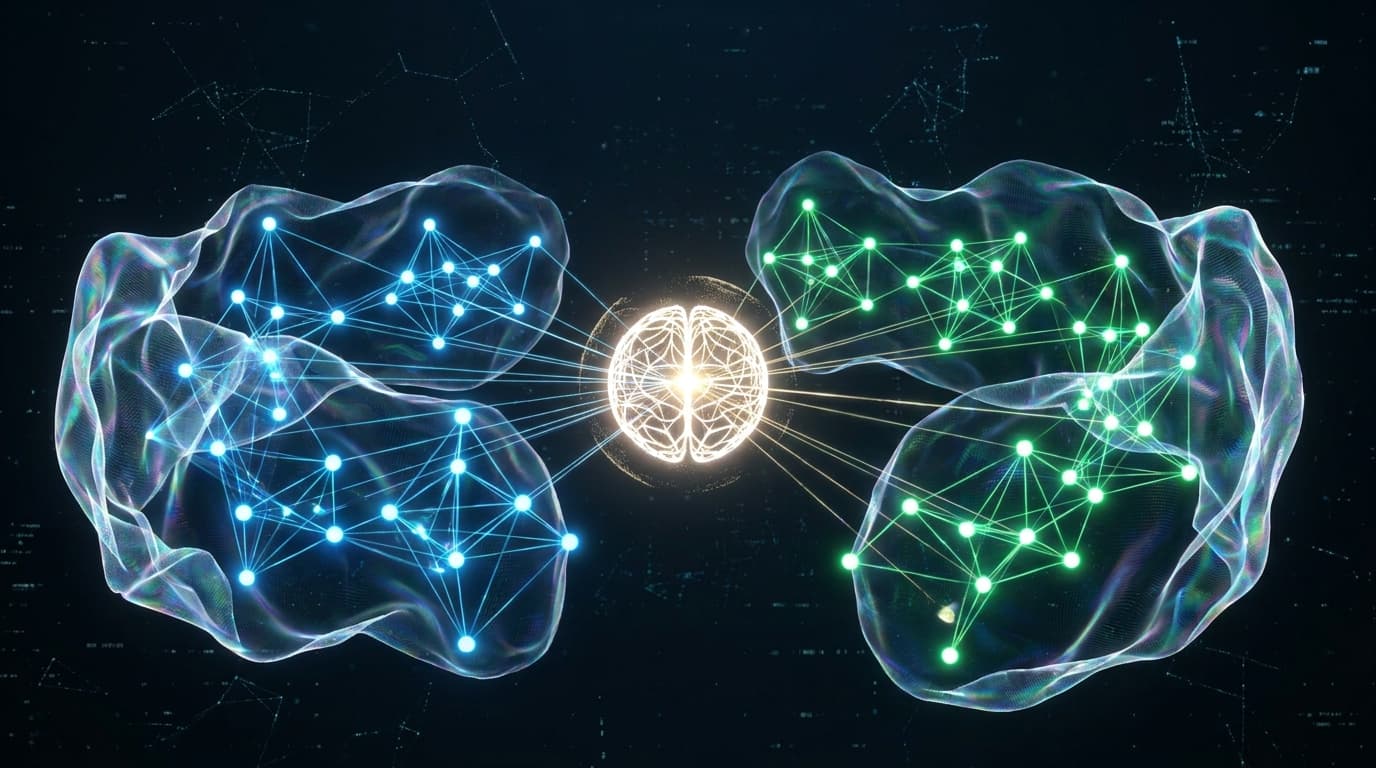
TL;DR: Enterprise security is moving beyond traditional firewalls. The future involves AI-orchestrated defenses and hyper-segmented networks to contain threats more effectively. This shift represents a more sophisticated, proactive approach to protecting corporate data and infrastructure from increasingly advanced cyberattacks.
Key facts
- Category
- AI
- Impact
- Medium
- Published
- Source
- Dark Reading
Full summary
The future of enterprise security is here: hyper-segmented networks, orchestrated by AI, are replacing traditional defenses to better contain modern threats.
The landscape of enterprise security is undergoing a fundamental transformation, moving beyond traditional firewalls and the "assume-breach" mindset. The future points toward an AI-native approach, where security is managed by intelligent systems. This new paradigm relies on two key concepts: AI-orchestration and hyper-segmentation. AI-orchestration uses machine learning to automate threat detection and response, allowing for near-instantaneous reactions to suspicious activity. Hyper-segmentation involves breaking down a company's network into many small, isolated zones. If one segment is compromised, the breach is contained, preventing attackers from moving freely across the entire network. This creates a more resilient and intelligent defense system from the ground up.
This shift has significant implications for how organizations protect their assets. For CTOs and security leaders, it means moving from a reactive posture to a proactive, automated one. Instead of just trying to keep attackers out, the focus is on minimizing the impact of a breach when it occurs. This is crucial for defending against sophisticated threats like ransomware, where speed of containment is critical. As companies adopt more cloud services and remote work policies, the traditional network perimeter has dissolved. An AI-native, hyper-segmented architecture is better suited to this distributed reality, providing granular control and ensuring security is enforced consistently across dynamic systems.
Why it matters
This shift from reactive to proactive, automated security is critical for defending against sophisticated modern threats in complex, distributed IT environments. It represents a fundamental change in security strategy.
Business impact
Adopting an AI-native security model can significantly reduce the risk and potential financial damage of a data breach by containing threats faster. It also enables businesses to innovate more securely in cloud and remote-work settings, improving overall operational resilience.
Tags
Related on Notifire
Related stories
Primary source: Dark Reading