6 verified briefings on Zero Trust. Each story includes a plain-English summary, why it matters, and the concrete action engineering teams should take.
A critical flaw in Citrix NetScaler let attackers execute code without logging in, simply by targeting the gateway's login page. The incident reveals how exposing such pages directly to the internet creates a major, often overlooked, security risk.
Companies are giving employees powerful AI agents, but these agents don't fit into existing security frameworks. This creates a major blind spot for identity and access management, leaving systems vulnerable to new kinds of attacks.
Cloudflare has released a new open-source tool to help companies move to its Zero Trust security platform. It includes automated logic to migrate from competitors like Zscaler and Palo Alto Networks, cutting migration times from months to hours.
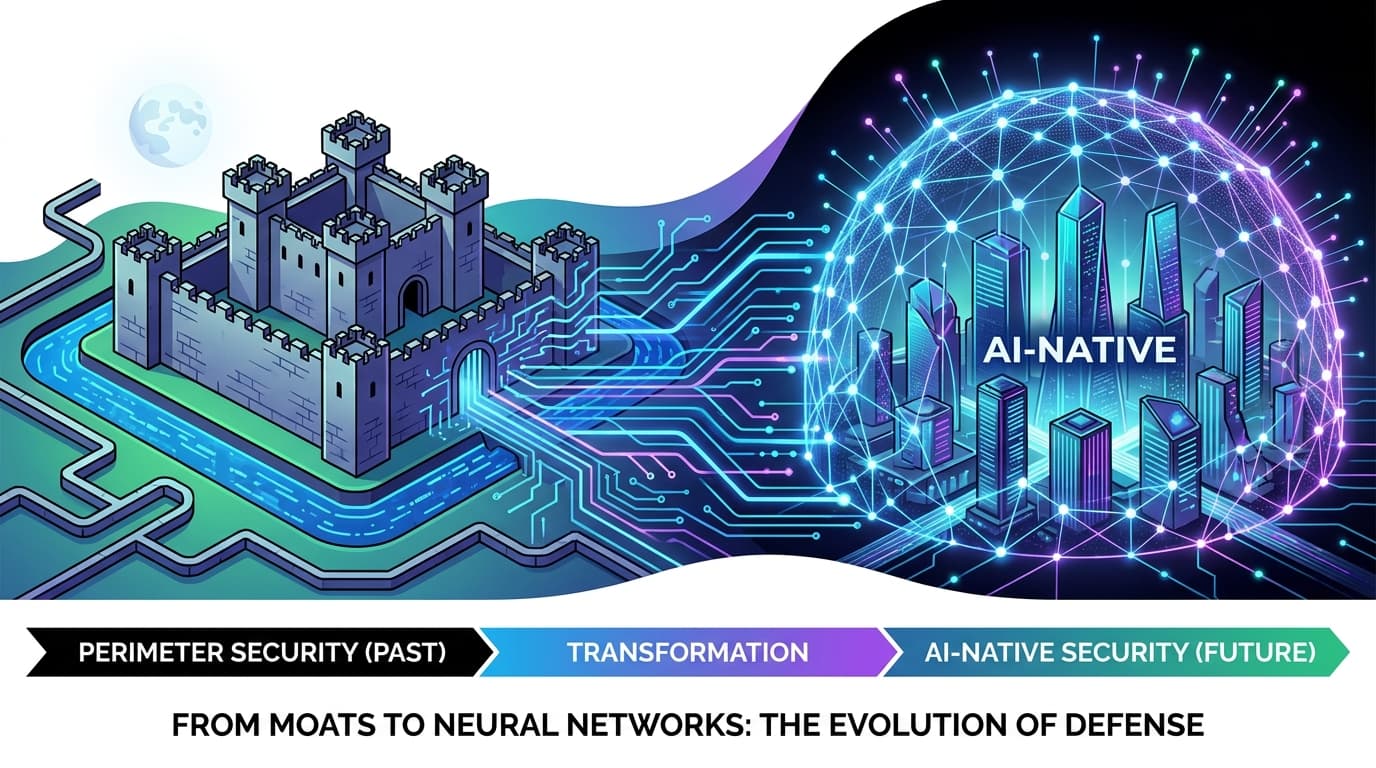
The cybersecurity landscape has transformed over the past two decades. What began as simple perimeter defense with firewalls and antivirus has evolved into a complex, AI-driven industry. This shift reflects fundamental changes in threats, technology, and the move to cloud infrastructure.
Enterprise security is moving beyond traditional firewalls. The future involves AI-orchestrated defenses and hyper-segmented networks to contain threats more effectively. This shift represents a more sophisticated, proactive approach to protecting corporate data and infrastructure from increasingly advanced cyberattacks.
Traditional identity verification is no longer enough to stop sophisticated attacks. Attackers are increasingly using stolen session tokens and compromised devices to bypass logins. Security strategies must evolve to include continuous device verification, making it a critical component of any modern Zero Trust security framework.