From Firewalls to AI Security
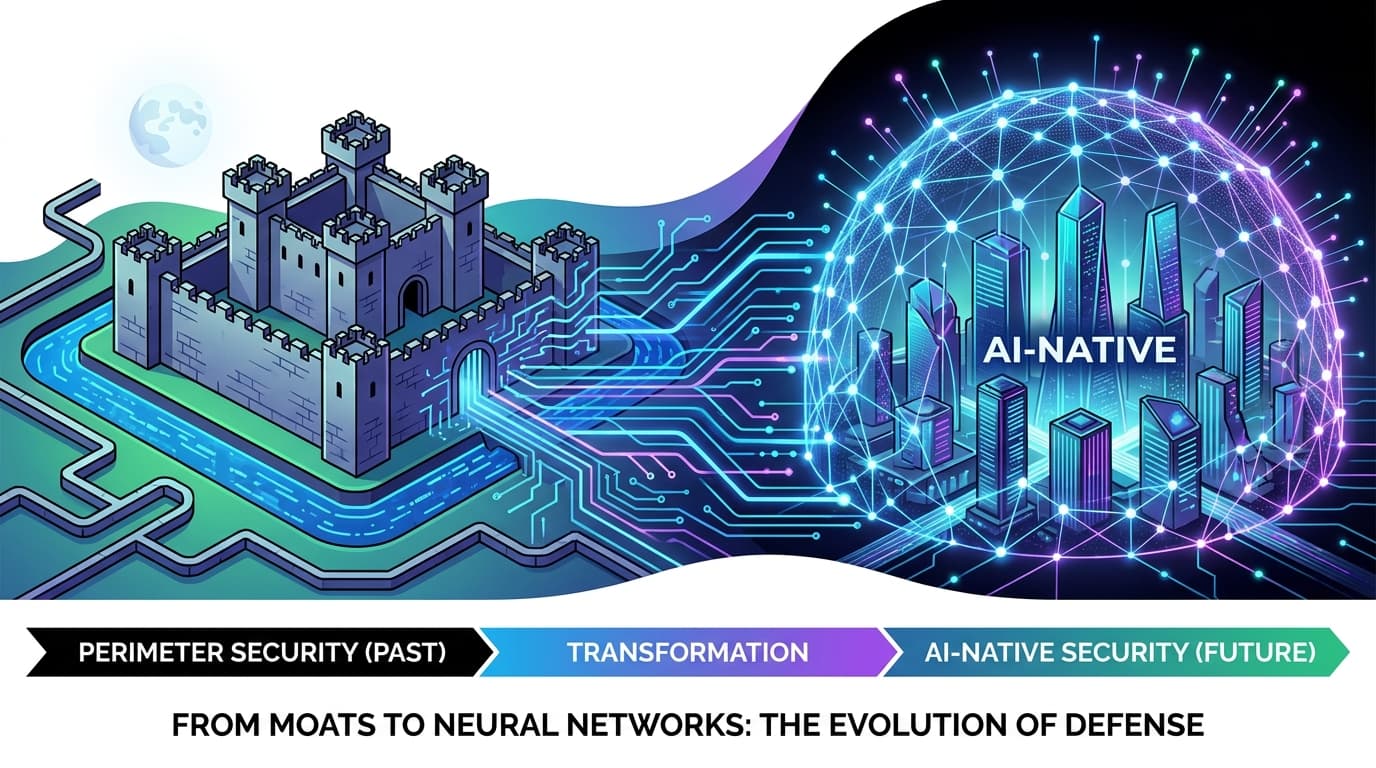
TL;DR: The cybersecurity landscape has transformed over the past two decades. What began as simple perimeter defense with firewalls and antivirus has evolved into a complex, AI-driven industry. This shift reflects fundamental changes in threats, technology, and the move to cloud infrastructure.
Key facts
- Category
- Cybersecurity
- Impact
- Low
- Published
- Source
- Dark Reading
Full summary
Cybersecurity has evolved from simple perimeter defenses to a complex, AI-driven industry, reflecting major shifts in technology and the nature of digital threats.
Two decades ago, cybersecurity was defined by the concept of a defensible perimeter. Organizations operated like digital fortresses, with firewalls and antivirus software guarding the gates. The primary goal was to keep threats out of the trusted internal network where all critical data and applications resided. This "castle-and-moat" approach was effective when the digital environment was relatively simple and contained within an organization's own data centers. Employees worked on-site, and the line between inside and outside was clear.
This model began to break down with the rise of cloud computing, mobile devices, and SaaS applications. The perimeter dissolved as data and users moved outside the traditional network boundaries. This created a vastly expanded attack surface and rendered old security strategies obsolete. In response, the industry shifted toward new paradigms like Zero Trust, which assumes no user or device is inherently trustworthy. The focus moved from protecting the network to protecting data and identities, wherever they are located, through continuous verification and endpoint security.
Today, the industry is in the era of AI-native security. The sheer volume and sophistication of modern threats, many of which are automated, have made manual defense impossible. Modern security platforms now leverage artificial intelligence and machine learning to analyze massive datasets in real time. These systems can detect subtle anomalies, predict potential attacks, and automate responses faster than human teams ever could. This evolution reflects a fundamental adaptation to a world where digital infrastructure is distributed, dynamic, and constantly under threat.
Why it matters
Understanding this evolution is crucial for leaders making strategic security investments. The old 'castle-and-moat' model is obsolete; modern businesses require a dynamic, intelligent security posture to protect distributed assets and data in the cloud era.
Business impact
Businesses still relying on outdated perimeter-based security models face significant risk. The shift to AI-driven, Zero Trust security is no longer optional but a necessity for mitigating modern threats, ensuring compliance, and protecting brand reputation in a digital-first world.
Tags
Related on Notifire
Related stories
Primary source: Dark Reading