OpenAI Pushes Deeper Into Biotech With New Acquisition
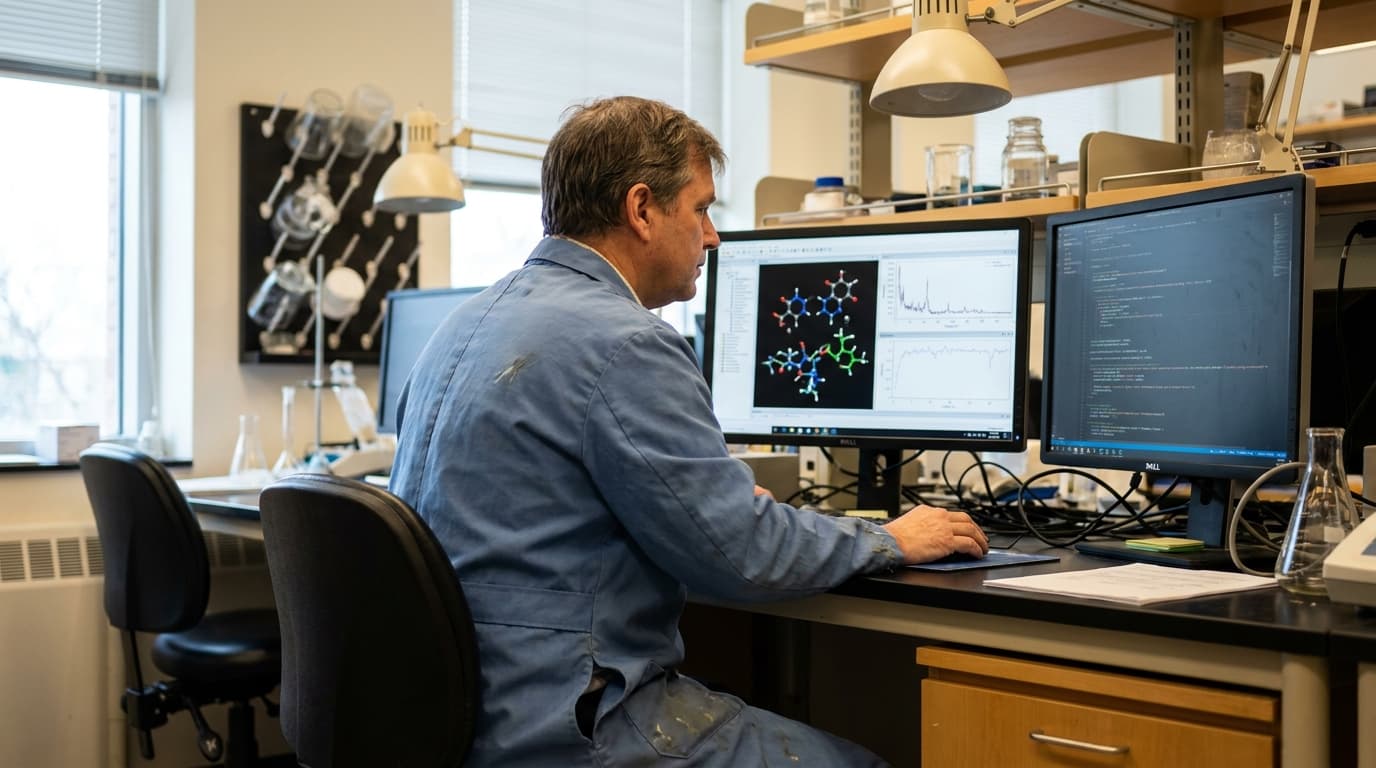
TL;DR: OpenAI has acquired Orchestra Bio, a biotech startup. The move brings Orchestra's team and technology to OpenAI's Rosalind project, an AI model designed to accelerate life sciences research by helping scientists plan experiments and analyze data.
Key facts
- Category
- AI
- Impact
- High
- Published
- Source
- TechCrunch
Full summary
OpenAI has acquired biotech startup Orchestra Bio, integrating its team into its Rosalind AI model for life sciences research.
OpenAI has acquired the biotech startup Orchestra Bio, integrating its team and technology into its ongoing work in health and life sciences. According to reporting from TechCrunch, the move is intended to bolster OpenAI’s Rosalind project, a specialized AI model designed for biological research. Orchestra Bio’s team will contribute to the development of the Rosalind Workbench, a platform that aims to provide scientists with powerful tools to plan experiments, analyze complex datasets, and accelerate the pace of discovery. This acquisition marks a significant and deliberate step by the AI leader to move beyond general-purpose models and build highly specialized applications for one of the world's most complex and valuable industries.
The integration of Orchestra Bio is about more than just adding headcount; it signifies a strategic focus on building a full-stack research platform. While a foundational model like GPT-4 is incredibly powerful, its utility in a specialized field like biology is limited without a sophisticated application layer. Orchestra Bio likely brings crucial domain expertise and potentially a specialized codebase that can translate the raw capabilities of a large model into a usable, workflow-integrated tool for scientists. The goal is to create what OpenAI calls a “harness” that lowers the barrier for researchers to leverage advanced AI. This allows them to focus on scientific questions rather than prompt engineering or data wrangling, effectively turning an abstract technology into a practical instrument for discovery and suggesting the future of Rosalind is as a comprehensive, end-to-end digital lab assistant.
This acquisition is a key move in the escalating race to apply artificial intelligence to biology and medicine. OpenAI is not alone in this pursuit. Google's DeepMind made waves with AlphaFold for protein structure prediction and has since launched Isomorphic Labs to focus on drug discovery. Nvidia has also invested heavily in its BioNeMo platform, which helps pharmaceutical companies build and train their own models. OpenAI’s purchase of Orchestra Bio is a clear statement of its intent to compete directly in this high-stakes arena. The trend reflects a broader industry realization that the next major breakthroughs for AI will come from its application to hard science problems. It’s a strategic pivot from consumer-facing chatbots to enterprise and research tools that can solve billion-dollar problems, marking a new phase of market maturation for large AI labs.
For founders, developers, and CTOs, this acquisition is a powerful signal. It validates the business model of building highly specialized, “vertical AI” startups that solve specific industry problems. While foundational models are becoming a commodity controlled by a few large players, immense opportunity lies in creating the application layer that connects these models to real-world workflows. The most valuable companies will be those that combine deep domain expertise with AI engineering. Looking ahead, we should expect more “acquihire” deals like this, where major AI labs buy small, expert teams to accelerate their entry into new verticals. The key question to watch is how OpenAI will commercialize this technology. Will Rosalind Workbench become a SaaS product for research institutions, creating a new, substantial revenue stream beyond API access? This move is less about a single startup and more about the blueprint for AI's expansion into every corner of the economy.
Why it matters
OpenAI's acquisition of a biotech startup signals a strategic shift from general-purpose models to specialized, high-value vertical applications. For technical leaders, this validates the immense market for domain-specific AI tools and underscores the need to integrate deep industry expertise directly into product development.
Business impact
This acquisition positions OpenAI as a direct competitor to Google's DeepMind and Nvidia in the lucrative AI-driven life sciences market. The move signals a consolidation trend, pressuring traditional pharmaceutical companies to ramp up their AI strategies and smaller AI biotech startups to either partner up or face intense competition.
Tags
Related on Notifire
Related stories
Primary source: TechCrunch