Researchers studying pancreatic cancer believe they've found a protein that acts as a 'master switch' for tumor growth. This discovery could pave the way for new treatments that target a fundamental mechanism across many types of cancer.
A recent report raises serious questions about data manipulation in antibody research from Thermo Fisher, a major scientific supplier. This could impact the validity of countless scientific studies that rely on their products.
Moderna received $50 million from the Coalition for Epidemic Preparedness Innovations (CEPI) to accelerate its mRNA vaccine for the Bundibugyo ebolavirus. The funding is part of a larger initiative by CEPI to combat a recent outbreak in the Democratic Republic of the Congo.
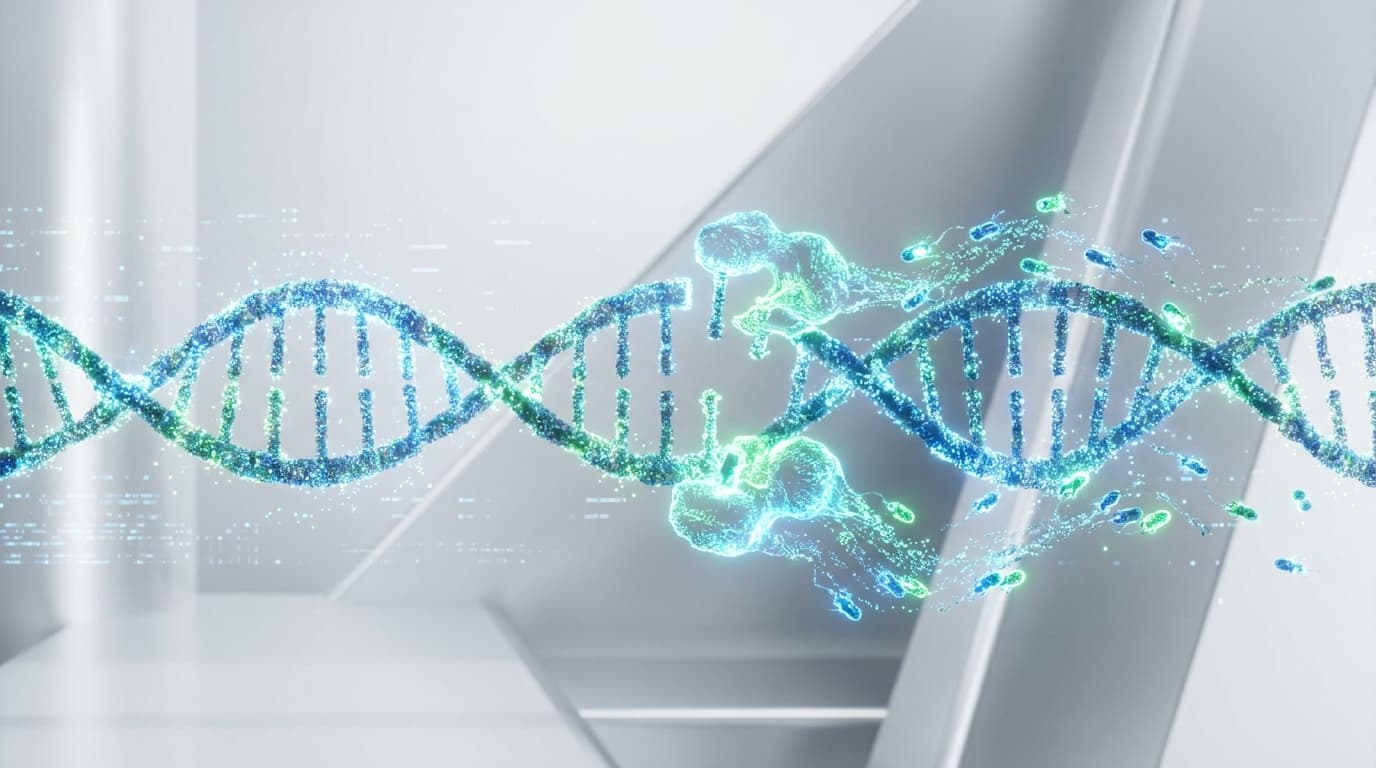
An early clinical trial for a new gene-editing therapy shows promising results. A single dose of the drug, VERVE-102, significantly lowered "bad" cholesterol levels in a small group of patients. The therapy aims to provide a long-term solution with a one-time treatment.
A biotech company has started the first human trial of a therapy designed to reverse age-related diseases. The approach, known as cellular reprogramming, aims to treat conditions like glaucoma by making cells biologically younger.
China's regulators have approved the world's first invasive brain-computer interface (BCI) for use outside of clinical trials. This landmark decision signals a major market opening for deep-tech and a new era in human-computer interaction, accelerating China's position in the global biotech and hardware race.
A cancer treatment known as CAR T-cell therapy is being repurposed to combat autoimmune diseases like multiple sclerosis. Early trials are exploring how this technology, which reprograms a patient's own cells, can be used to treat conditions where the immune system mistakenly attacks the body.