Build Digital Twins with BigQuery Graph
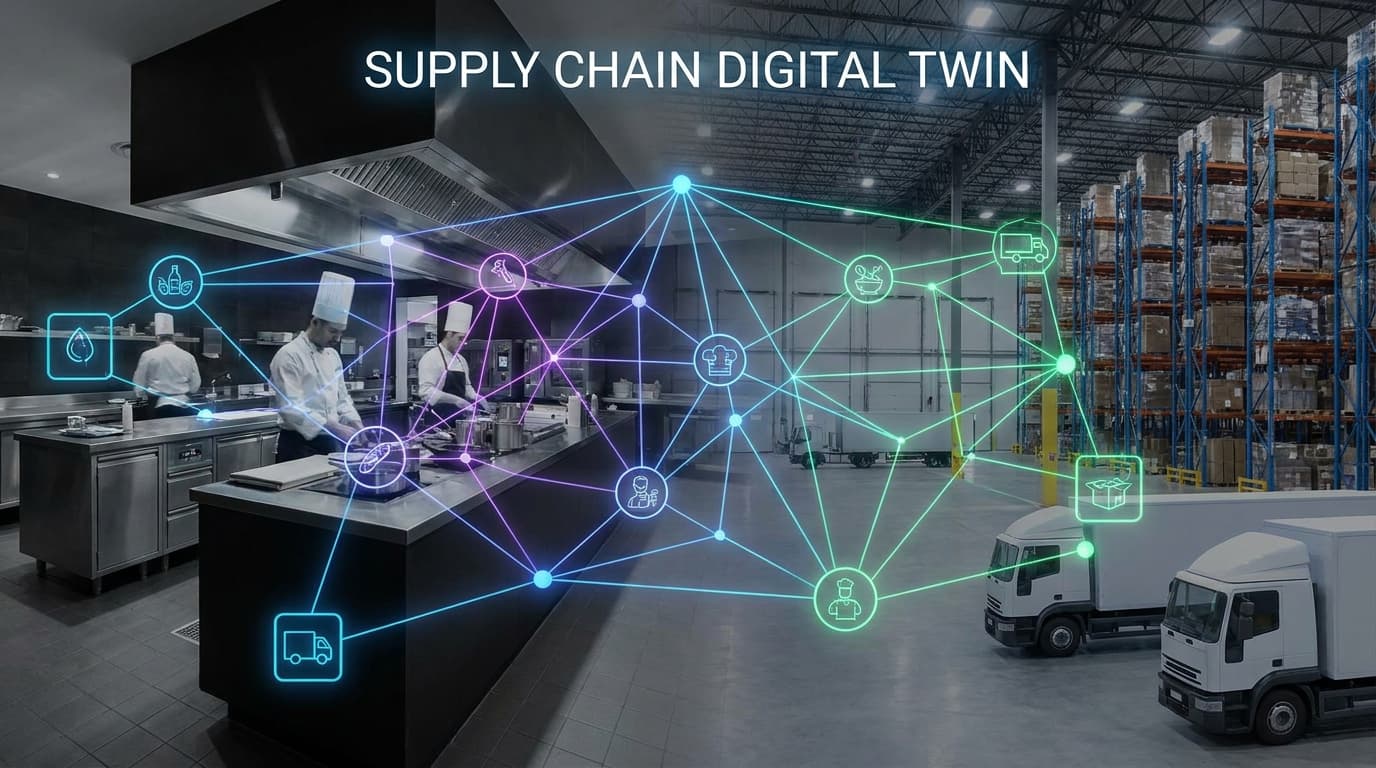
TL;DR: Google Cloud published a guide on using its BigQuery Graph feature to create digital twins of complex systems, like a food supply chain. The approach helps businesses model and analyze relationships within their operations, moving beyond the limitations of traditional spreadsheets to manage growth and complexity effectively.
Key facts
- Category
- Database
- Impact
- High
- Published
- Source
- Google Cloud Blog
Full summary
Google Cloud shows how to use BigQuery Graph to build digital twins, helping businesses model and analyze complex operational data like supply chains.
Google Cloud has released a practical guide demonstrating how to use BigQuery Graph to model a digital twin. The example focuses on a food supply chain for a growing restaurant business, a system where interconnected parts make it difficult to get a clear operational overview. Traditional tools like spreadsheets often fail to capture complex relationships and can lead to issues like the "bullwhip effect," where small demand fluctuations cause massive supply chain disruptions. BigQuery Graph allows developers to represent the entire supply chain—from suppliers to restaurants—as a network of connected entities, providing a more intuitive and powerful way to understand the business.
This approach is significant for businesses dealing with complex logistics or operational networks. By creating a digital twin, companies can gain deeper insights into their processes, identify potential bottlenecks, and simulate the impact of changes before implementing them. For CTOs and data teams, it showcases a modern data architecture pattern within a familiar data warehouse environment. Instead of struggling with complex SQL joins to trace relationships, teams can use graph queries to analyze paths and optimize flows, making it easier to manage growth and improve efficiency.
Tags
Related on Notifire
Related stories
Primary source: Google Cloud Blog