6 verified briefings on Google Cloud. Each story includes a plain-English summary, why it matters, and the concrete action engineering teams should take.
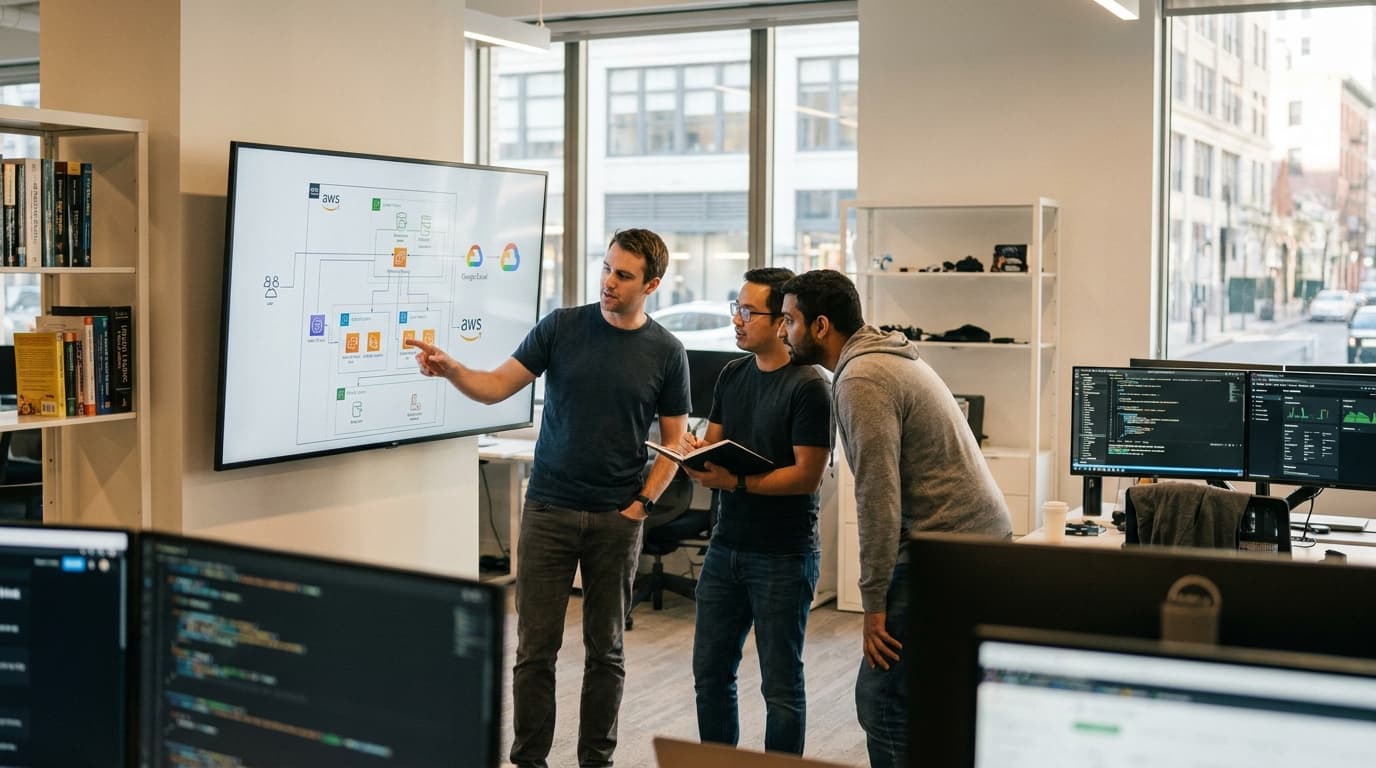
Slack shared its four-phase journey from a single-cloud AI setup to a multi-cloud platform using both AWS Bedrock and Google Vertex AI. The move offers a valuable roadmap for companies seeking more flexible and resilient AI infrastructure.
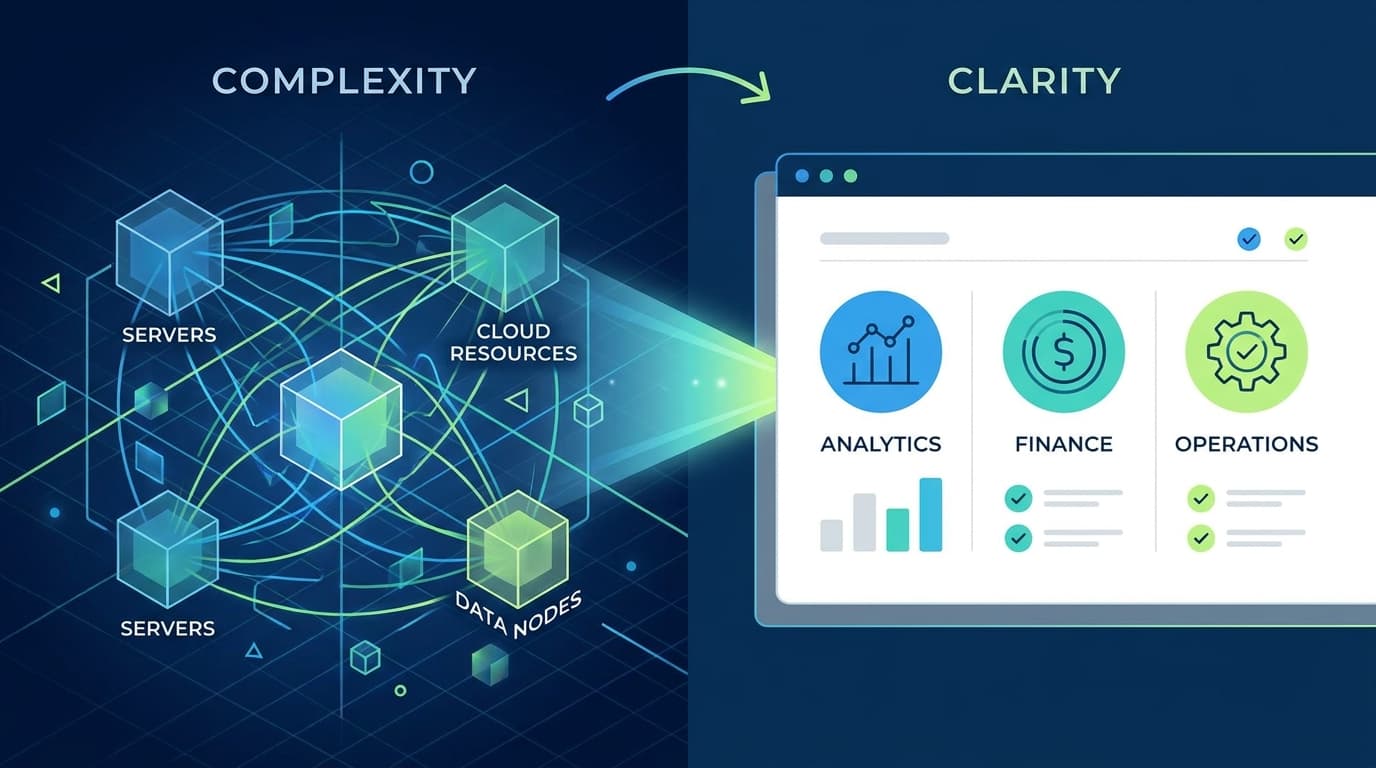
Google Cloud is introducing a new way to manage planned maintenance. Instead of tracking individual resource updates across many projects, teams can now view maintenance events in the context of their business services. This change aims to reduce operational overhead for platform and SRE teams.
A threat actor called PCPJack has hijacked over 230 servers on AWS, Google Cloud, and Azure. The compromised servers are being used to create a covert email relay network, turning them into proxies for sending mail.
Google has launched Google AI Threat Defense, an automated system to find and stop AI-powered cyberattacks. The new tool helps security teams respond faster to sophisticated threats before they can damage a business.
Google Cloud has announced the general availability of its managed Remote MCP Server for AlloyDB. This new service provides a direct and secure connection for AI models and agents to access real-time data stored in AlloyDB databases, improving the quality of context for AI-powered applications.
Google Cloud published a guide on using its BigQuery Graph feature to create digital twins of complex systems, like a food supply chain. The approach helps businesses model and analyze relationships within their operations, moving beyond the limitations of traditional spreadsheets to manage growth and complexity effectively.