DuckDB Adds Client-Server Network Protocol
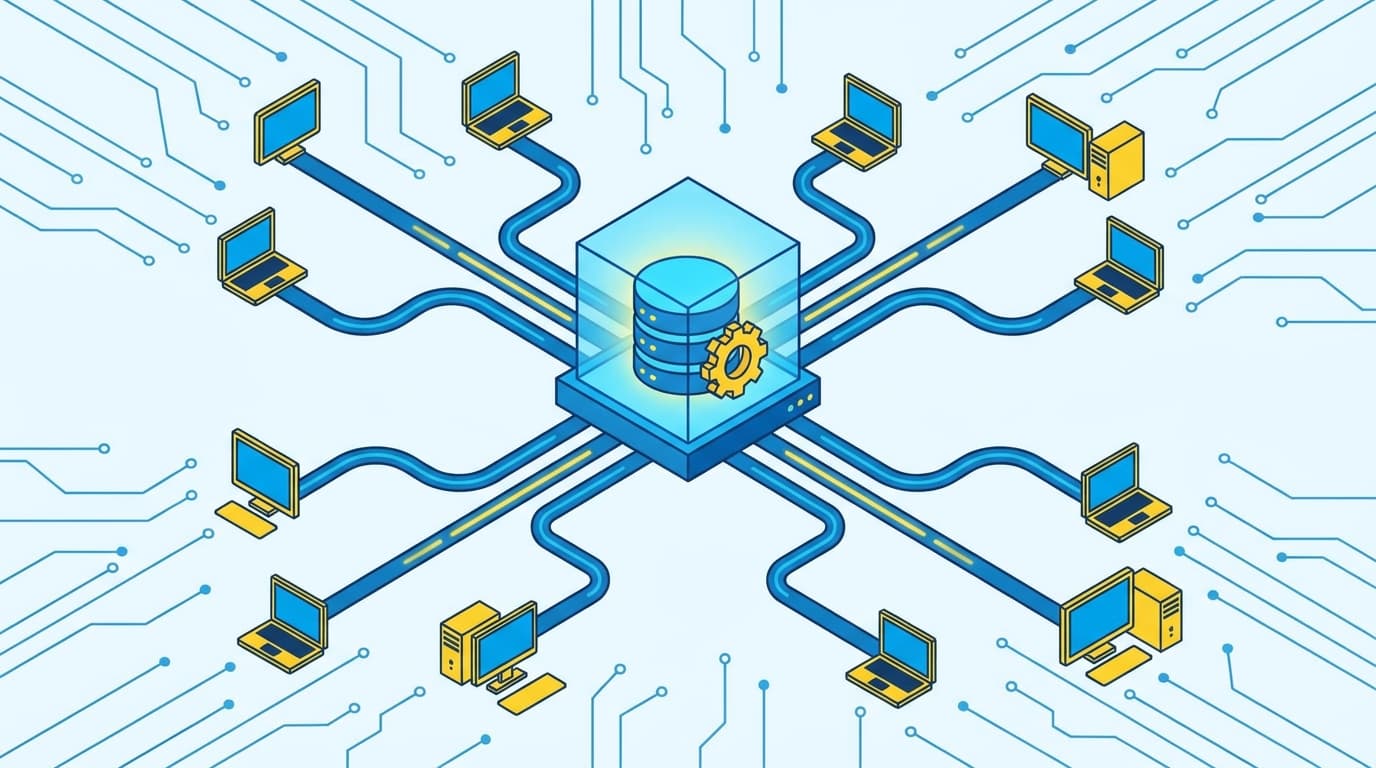
TL;DR: DuckDB, the popular in-process analytical database, has introduced a new remote protocol called Quack. It uses HTTP to enable a client-server model, allowing multiple users and applications to connect to and query the same database instance over a network, a significant shift from its embedded-only origins.
Key facts
- Category
- Database
- Impact
- High
- Published
- Source
- InfoQ
Full summary
The popular analytical database DuckDB now supports a client-server model, allowing multiple users to access the same database over a network.
DuckDB has announced a significant architectural update with the introduction of Quack, a new remote protocol. Operating over HTTP, Quack transforms the traditionally embedded database into a client-server system. This new capability allows multiple, distinct DuckDB clients to connect to and interact with a single, shared database instance over a network. This marks a fundamental departure from DuckDB's original design as a local, in-process analytical engine that runs exclusively within a host application. The protocol is specifically engineered to manage analytical queries and data transfer efficiently in this new multi-user, networked environment.
The introduction of a client-server model is a pivotal moment for the DuckDB ecosystem. For developers and data engineers, it unlocks the ability to build collaborative, data-intensive applications where multiple users or microservices can query a central DuckDB database concurrently. This simplifies data access patterns and makes DuckDB a more compelling choice for shared analytical backends, internal business intelligence tools, and interactive dashboards. For CTOs and technical leaders, this evolution provides greater architectural flexibility, allowing DuckDB to be deployed as a standalone, lightweight analytical server and positioning it as a more versatile tool in the modern data stack.
Tags
Related on Notifire
Related stories
Primary source: InfoQ