Query Huge Datasets With a Tiny Database File
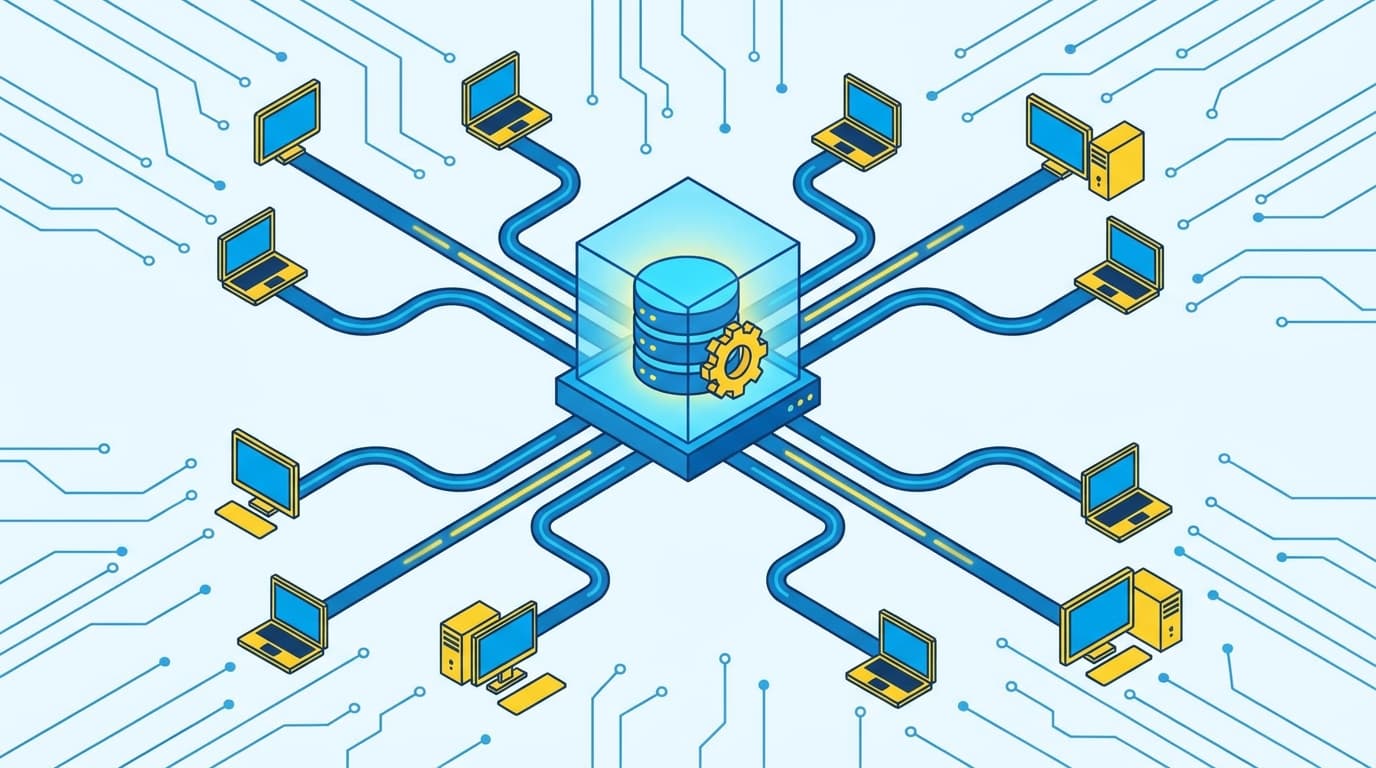
A DuckDB database file can act as a portable catalog for remote data without storing any of it. This lets teams share and query massive datasets stored elsewhere using just a tiny, shareable file.
8 verified briefings on Duckdb. Each story includes a plain-English summary, why it matters, and the concrete action engineering teams should take.

A DuckDB database file can act as a portable catalog for remote data without storing any of it. This lets teams share and query massive datasets stored elsewhere using just a tiny, shareable file.

A development team fixed their slow MongoDB analytics screen by using DuckDB's Java Table Functions. This allowed them to run fast analytical queries directly on their application data without building a separate, complex data pipeline.

DuckDB now lets developers query datasets on the Hugging Face Hub directly using SQL. This integration removes the need to download large files, simplifying and speeding up data exploration for machine learning projects.

DuckDB-Wasm now uses a browser feature called OPFS to create persistent databases that don't disappear when you close a tab. This enables faster, more private, and offline-capable data applications directly on the user's machine.

AWS is acquiring DuckLabs, the company behind the popular open-source DuckDB database. The move signals tighter integration of the fast, file-based analytics tool with core AWS services, potentially changing how developers work with data in the cloud.

Amazon Web Services (AWS) has acquired DuckLabs, the company behind the popular open-source database DuckDB. Despite the acquisition, DuckDB's projects will remain free and open-source under the MIT license, managed by the independent DuckDB Foundation.

DuckDB, a popular analytics database, now fetches data from the cloud asynchronously. This architectural change significantly speeds up queries on large datasets by keeping the processor busy instead of waiting for data.

DuckDB, the popular in-process analytical database, has introduced a new remote protocol called Quack. It uses HTTP to enable a client-server model, allowing multiple users and applications to connect to and query the same database instance over a network, a significant shift from its embedded-only origins.