One Millisecond of Bad Code Grounded UK Flights
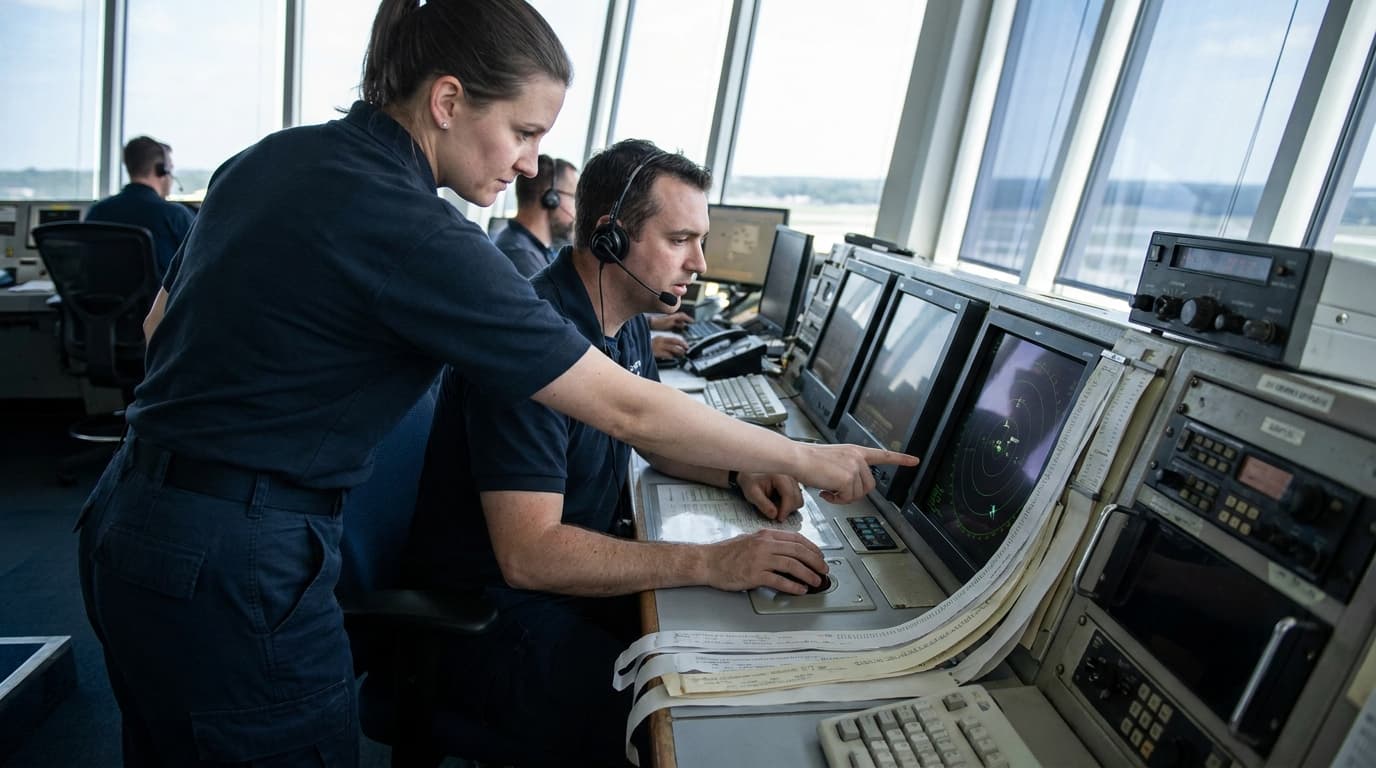
TL;DR: A single, previously unknown software defect in the UK's air traffic control system failed in a millisecond, causing 2,000 flight cancellations and stranding thousands. The incident highlights the fragility of critical national infrastructure.
Key facts
- Category
- Infrastructure
- Impact
- Critical
- Published
- Source
- TechRadar
Full summary
A single software defect, triggered in a millisecond, caused days of travel chaos and grounded over 2,000 UK flights.
A new report from the UK's National Air Traffic Services (Nats) has identified the cause of the massive flight disruption in late August. A single, previously unknown software defect in its flight processing system was the culprit. According to reporting from TechRadar, this defect triggered a failure that lasted only a millisecond but had cascading effects, leading to the cancellation of over 2,000 flights and stranding hundreds of thousands of passengers. The report also revealed a critical delay in understanding the problem's magnitude; the severity of the incident was not fully grasped until two and a half hours after the initial system failure. This delay compounded the chaos, as controllers and airlines were left without clear information while the system struggled to recover, ultimately bringing UK airspace to a near standstill.
The failure stemmed from the system's inability to process a flight plan that contained two identically named but geographically separate waypoints. This is a classic example of an edge case—a rare and unforeseen data input that the system's logic was not designed to handle. When the system encountered this duplicate data, it entered a fail-safe mode to prevent transmitting corrupt information to air traffic controllers. However, this fail-safe mechanism inadvertently shut down the primary system and its backup simultaneously, as both were running the same software and encountered the same logical flaw. The millisecond-long event was the moment the system tried and failed to process this single piece of anomalous data, triggering a complete shutdown of the automated flight plan processing capability.
This Nats incident is not an isolated event but part of a broader pattern of failures in aging, complex, and critical infrastructure. It echoes incidents like the 2021 Fastly outage, where a single customer configuration change triggered a bug that took down major websites globally, or the Knight Capital trading glitch in 2012, where a software deployment error cost the company $440 million in minutes. These events highlight a common vulnerability: as systems become more interconnected and automated, the potential impact of a single point of failure grows exponentially. The reliance on monolithic systems with tightly coupled primary and backup instances, both susceptible to the same software flaws, is a recurring theme. The push towards more resilient, decentralized, and fault-tolerant architectures in modern cloud computing is a direct response to this type of systemic risk.
For CTOs, developers, and IT leaders, this is a powerful case study on the limits of redundancy and the importance of true resilience. Simply having a backup system is not enough if it shares the same vulnerabilities as the primary. The key takeaway is the need to design for failure, not just to prevent it. This means implementing robust error handling for unexpected inputs, building systems with "circuit breakers" that isolate failures rather than allowing them to cascade, and ensuring that fail-safe modes are themselves thoroughly tested under bizarre conditions. Furthermore, the 2.5-hour delay in identifying the severity underscores a critical need for better observability and faster incident response protocols. Teams must have the monitoring tools and the drilled procedures to not only detect a failure but to rapidly diagnose its scope and impact, enabling a swift and effective recovery.
Why it matters
This incident is a stark reminder for engineers and CTOs that even a single, obscure edge case can trigger a catastrophic cascade failure in critical systems. It underscores the absolute necessity for robust fail-safes, rapid diagnostics, and resilient system architecture to handle unknown unknowns.
Business impact
The failure of a single system component led to massive operational disruption, reputational damage for the operator, and significant economic losses across the airline industry. It demonstrates how a lack of system resilience can translate directly into severe financial and logistical consequences for an entire sector.
Tags
Related on Notifire
Related stories
Primary source: TechRadar