HashiCorp Vault Adds Standard User Provisioning
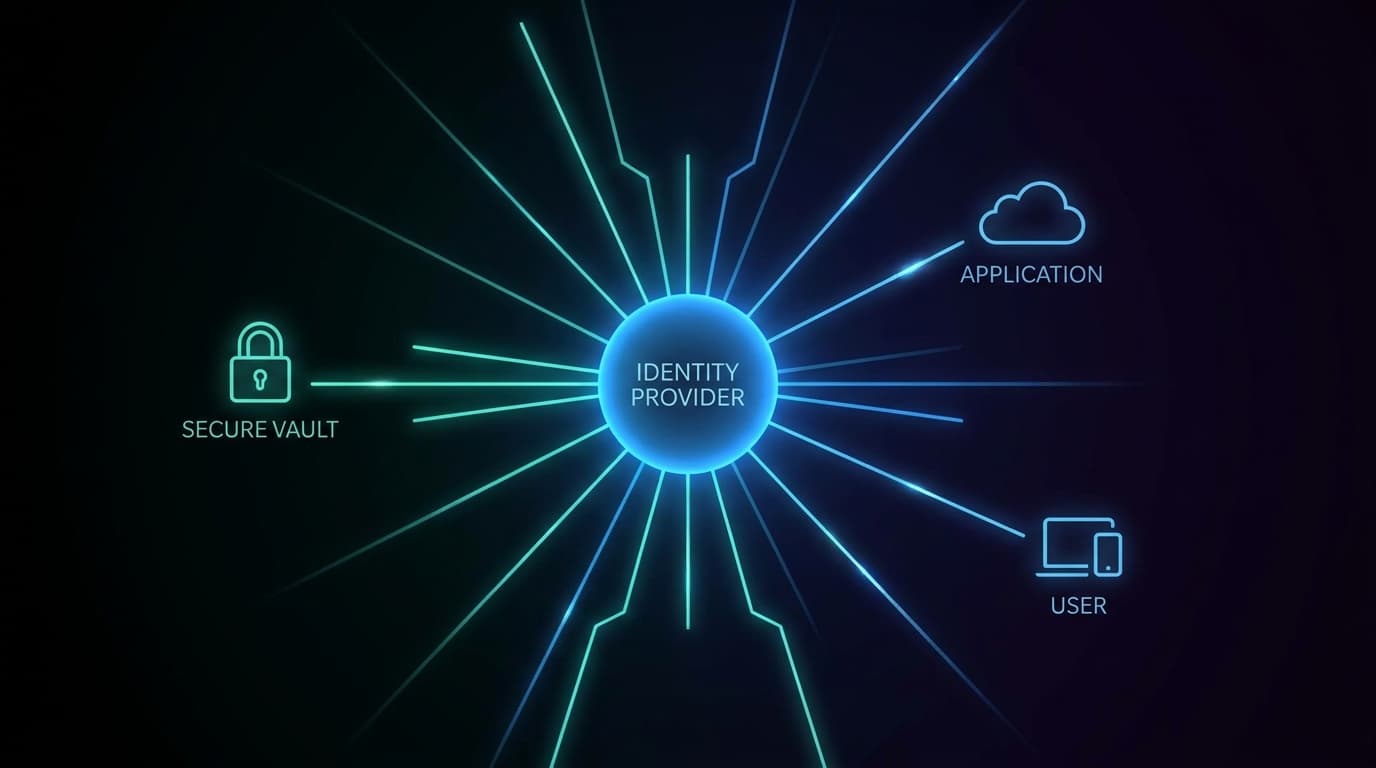
TL;DR: HashiCorp Vault has introduced support for SCIM, a standard protocol for automating user identity management. This update enables enterprises to automatically provision and manage users and groups in Vault, ensuring consistency with their primary identity providers. It simplifies access control, enhances security, and improves operational efficiency.
Key facts
- Category
- Infrastructure
- Impact
- High
- Published
- Source
- HashiCorp Blog
Full summary
HashiCorp Vault now supports the SCIM protocol, enabling automated and standardized user provisioning to streamline identity and access management for enterprises.
HashiCorp has integrated support for the System for Cross-domain Identity Management (SCIM) protocol into its Vault platform. This new capability allows for the automated provisioning and de-provisioning of users and groups directly within Vault. SCIM acts as a standardized bridge between identity providers and applications, ensuring that user identity data is consistent and up-to-date across systems. By adopting this open standard, Vault now offers a more streamlined way for organizations to manage the lifecycle of user identities and their access to secrets, reducing the manual effort required by IT and security teams.
This update is significant for enterprises that rely on Vault for secrets management as part of a broader identity-centric security strategy. For IT, security, and operations teams, SCIM support eliminates the need for custom scripts or manual processes to manage user access, which reduces the risk of human error and potential security gaps. It directly addresses challenges related to compliance and scalability by ensuring that access rights in Vault are always synchronized with an organization's central identity source. When an employee's status changes, their access to secrets is automatically updated, enforcing least-privilege principles and simplifying audits.
Why it matters
SCIM support automates the user lifecycle in Vault, reducing manual work for IT teams and minimizing security risks from misconfigured access. It ensures user permissions are always in sync with a central identity provider, strengthening compliance and security posture.
Business impact
This update reduces operational overhead for managing user access to secrets, lowering the risk of data breaches from improper permissions. It helps businesses scale their security infrastructure more efficiently and simplifies compliance audits, saving time and resources.
Tags
Related on Notifire
Related stories
Primary source: HashiCorp Blog