Hackers compromised a third-party data platform's credentials to access its customers' AWS accounts. This supply-chain attack highlights the hidden risks of granting permissions to vendors, even trusted ones, and how that trust can be exploited.
Companies are giving employees powerful AI agents, but these agents don't fit into existing security frameworks. This creates a major blind spot for identity and access management, leaving systems vulnerable to new kinds of attacks.
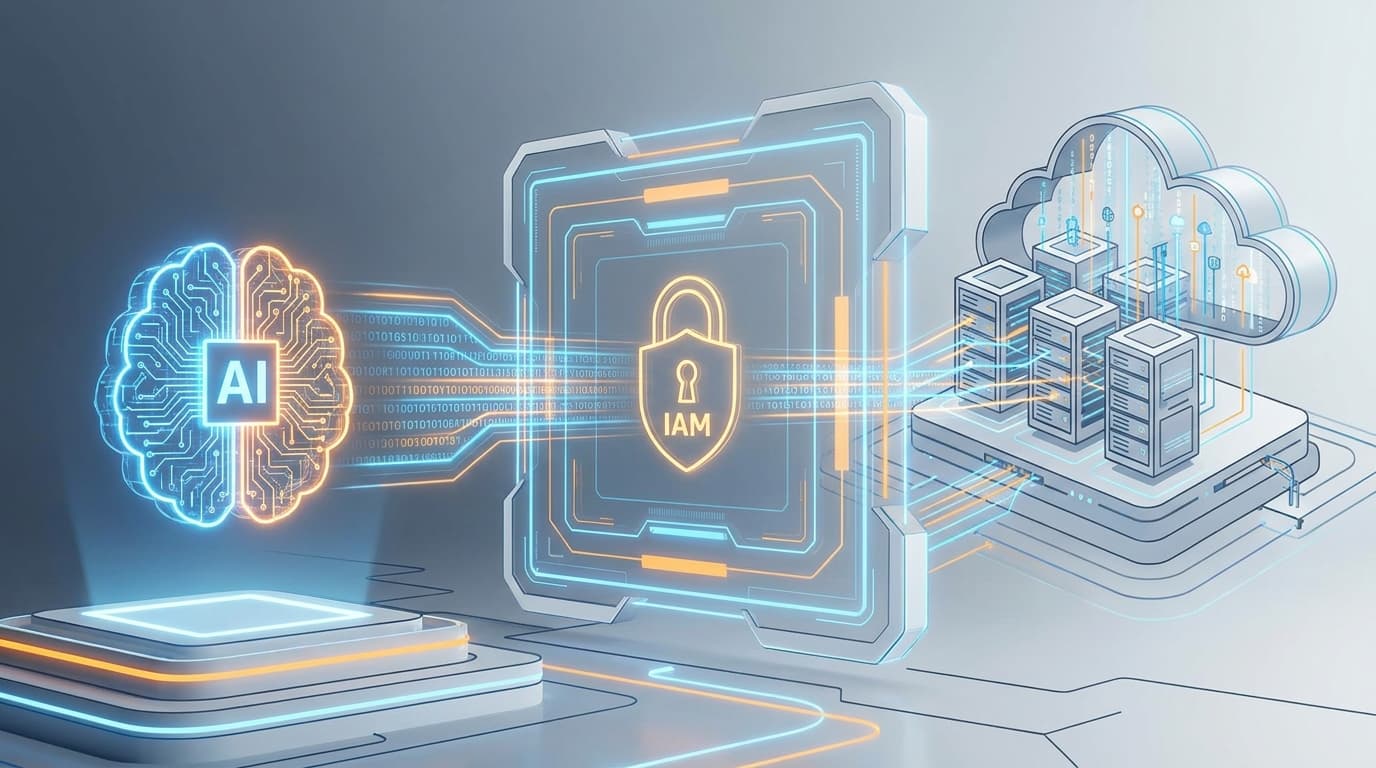
AWS has announced the general availability of its managed Model Context Protocol (MCP) server. The new service provides a secure, standardized interface for AI agents to interact with AWS APIs, documentation, and workflows, using IAM for governance without exposing broad credentials. It enhances security and auditability.
Multiple critical vulnerabilities have been found in Casdoor, an open-source identity and access management platform. Versions 2.362.0 and earlier are affected. The flaws allow attackers to bypass authentication, escalate privileges, and impersonate users by exploiting issues in its core security mechanisms.
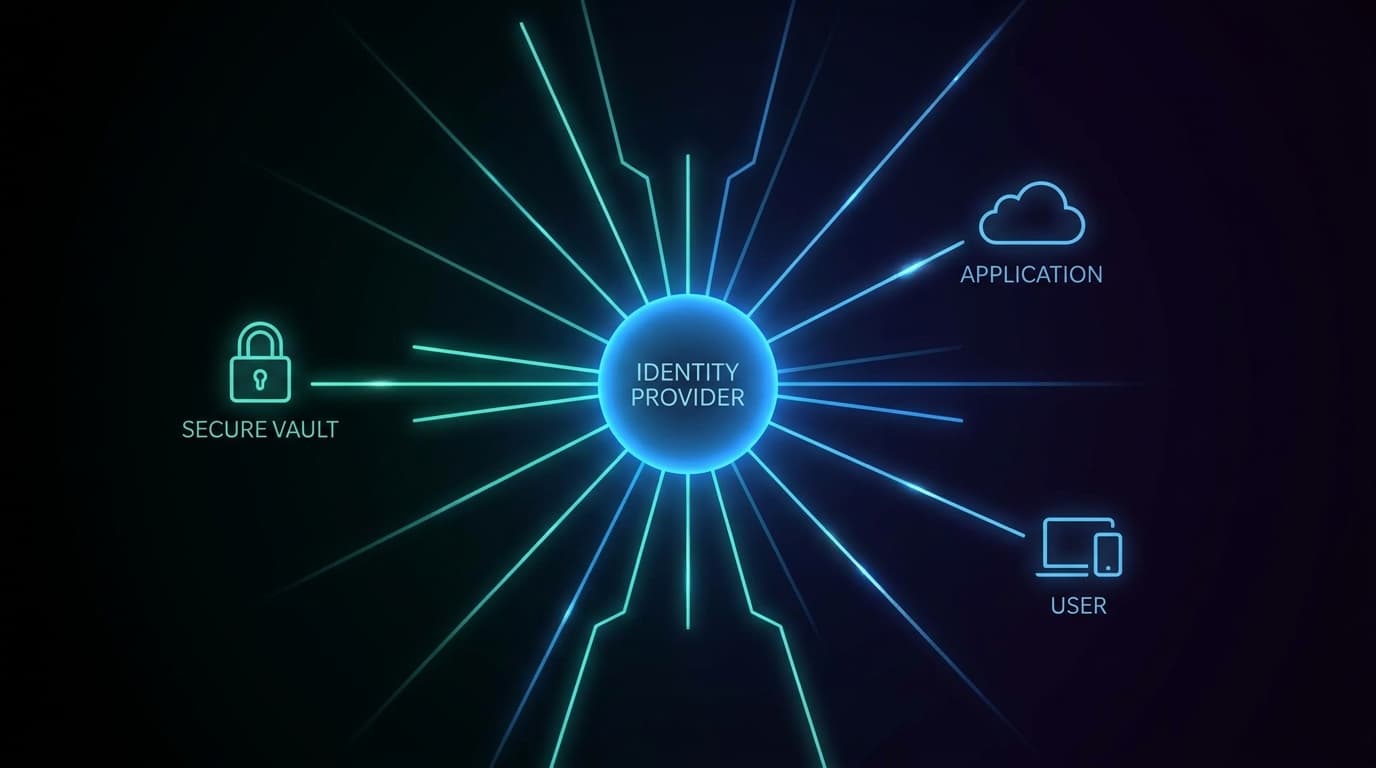
HashiCorp Vault has introduced support for SCIM, a standard protocol for automating user identity management. This update enables enterprises to automatically provision and manage users and groups in Vault, ensuring consistency with their primary identity providers. It simplifies access control, enhances security, and improves operational efficiency.
A standard, cached AWS access key on a single machine, without any misconfiguration, can provide an attacker with extensive access to a company's cloud environment. This highlights how normal operational behavior can inadvertently create significant security vulnerabilities in cloud infrastructure.