Monitoring AI Agents in Production
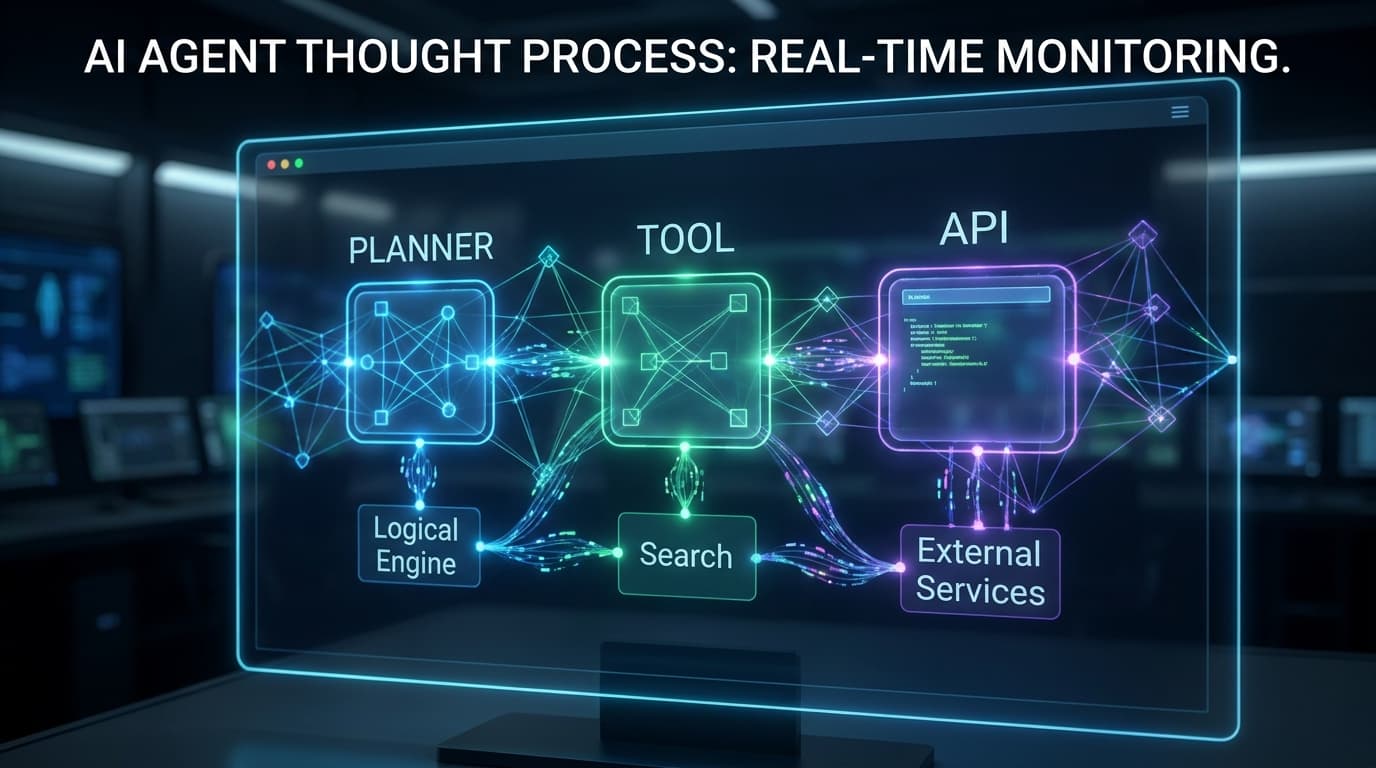
TL;DR: AI agent frameworks like CrewAI and AutoGen are moving from demos to production environments for tasks like incident response. This shift is creating a critical new challenge: a lack of established tools and practices for monitoring and observing these complex, multi-step AI systems in real-world applications.
Key facts
- Category
- Infrastructure
- Impact
- High
- Published
- Source
- The New Stack
Full summary
As AI agent frameworks like CrewAI and AutoGen move into production, a critical new challenge emerges: the lack of monitoring and observability tools.
A quiet but significant shift is happening in software development as AI agent frameworks move from experimental demos to live production systems. Companies are now using tools like CrewAI, AutoGen, and LangGraph to build and deploy agents for real business tasks, including internal copilots, automated incident response, and complex data processing pipelines. These systems work by connecting multiple components—such as planners, tool-using agents, and external APIs—to autonomously handle complex, multi-step workflows. This transition marks a new phase where autonomous AI is becoming a part of core operational infrastructure.
This trend introduces a critical operational challenge: the lack of observability. Unlike traditional applications, AI agent behavior can be non-deterministic, involving long chains of actions, model interactions, and API calls that are difficult to trace. Standard monitoring tools are often ill-equipped to provide deep insight into an agent's decision-making process, making it hard to debug failures, optimize performance, or control costs. This creates a significant blind spot for developers and operations teams responsible for maintaining system reliability and efficiency.
As the adoption of AI agents continues to grow, the need for specialized monitoring and observability solutions will become more urgent. Engineering leaders must now consider how to gain visibility into these new systems. The focus will shift toward developing new MLOps and DevOps practices tailored to the unique architecture of agent-based applications, ensuring they can be managed effectively as they become more integrated into business operations.
Tags
Related on Notifire
Related stories
Primary source: The New Stack