Aaron Erickson outlines a shift from basic AI testing to building robust, multi-agent systems. He details architectural patterns for production-grade AI, including combining deterministic guardrails with agentic discovery, optimizing agent hierarchies, and implementing rigorous evaluation frameworks to ensure reliability and scalability.
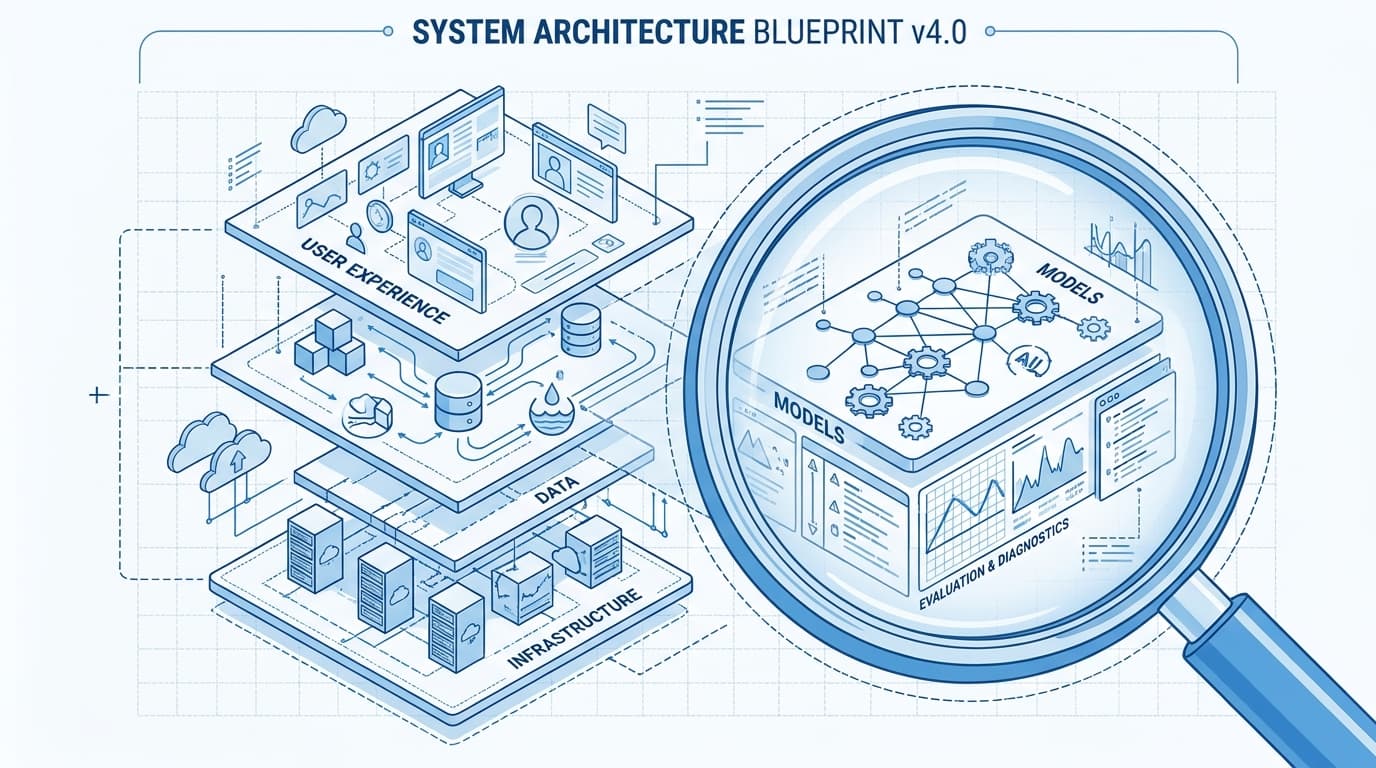
A new guide explains how to secure the entire AI stack, from initial models to production systems. It provides a roadmap for building resilient AI through layered defense, robust MLOps, and integrated governance.
A new opinion piece warns that the rush to build AI agents is repeating the mistakes of early software development, where deploying apps was as simple and risky as copying a .exe file.
CoreWeave's CTO, Peter Salanki, discussed the challenges of running AI in production. He highlighted the growing importance of observability, resource utilization, and scheduling for efficient operations. Salanki also advised teams to avoid the common mistake of over-architecting their systems too early.
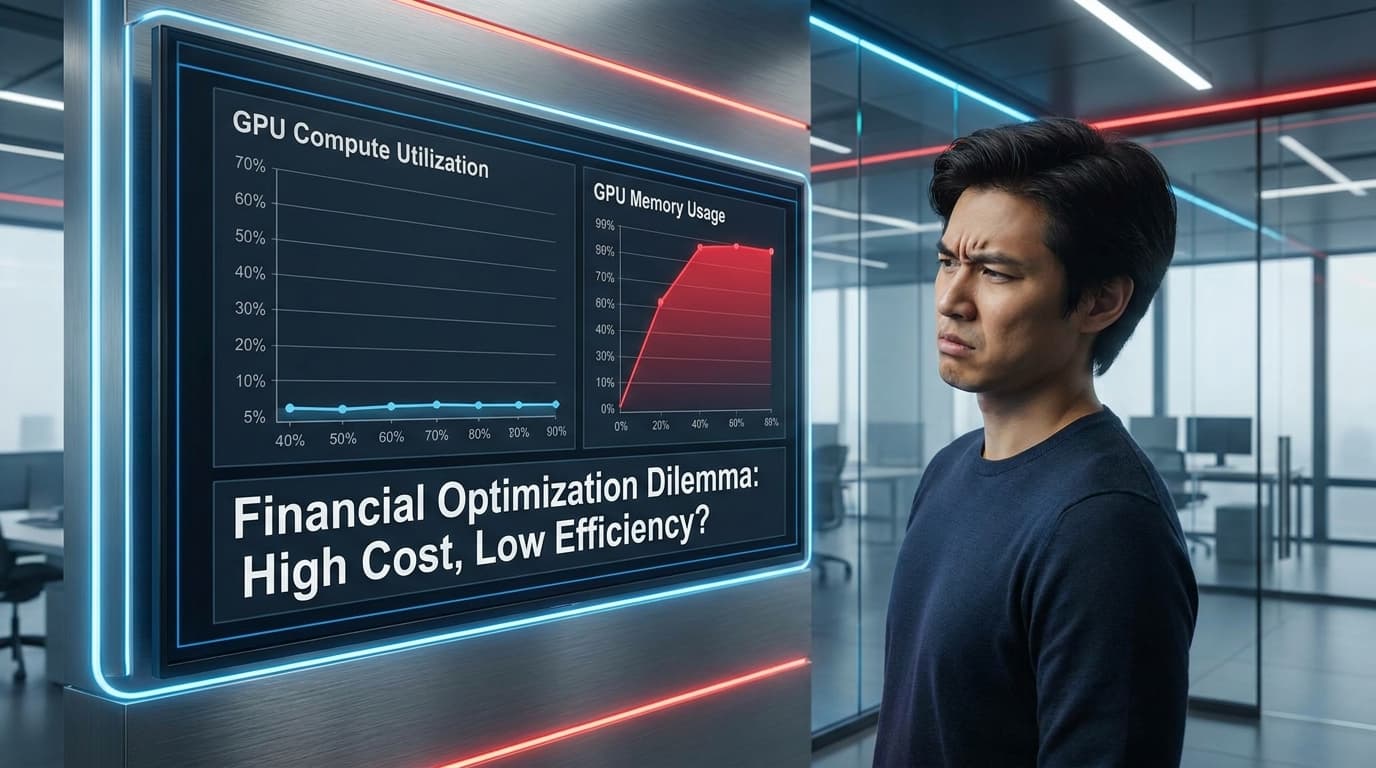
Traditional FinOps practices often recommend downsizing resources with low utilization. However, for certain AI workloads like secure machine learning, low GPU compute usage can be misleading. These tasks may be memory-bound, not compute-bound, making "underutilized" GPUs essential for performance and avoiding higher costs.
Mallika Rao, with experience from Twitter and Netflix, presents a new framework for evaluating production AI systems. She argues traditional metrics are outdated and introduces a five-layer evaluation stack and a maturity model to prevent silent failures and manage "evaluation debt."
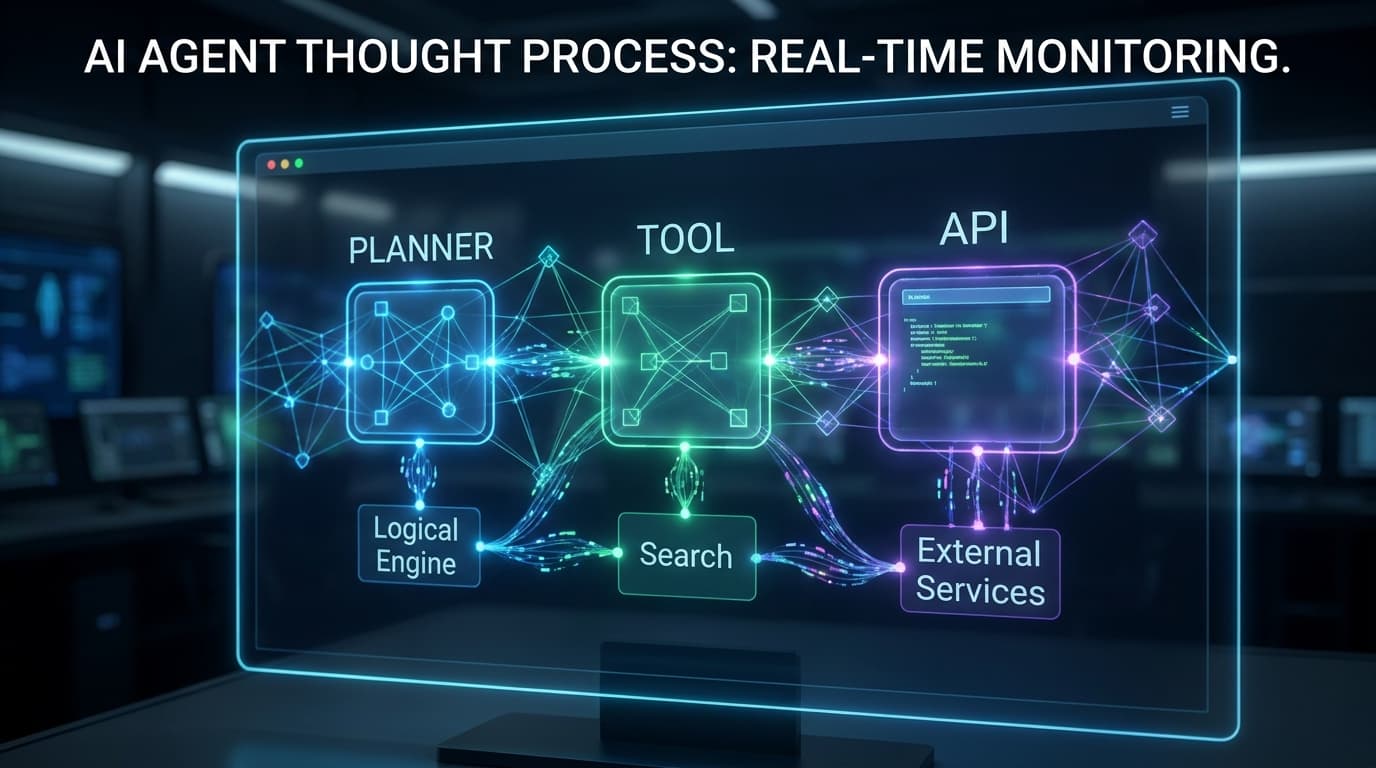
AI agent frameworks like CrewAI and AutoGen are moving from demos to production environments for tasks like incident response. This shift is creating a critical new challenge: a lack of established tools and practices for monitoring and observing these complex, multi-step AI systems in real-world applications.