Connected Car Security Architecture Matters
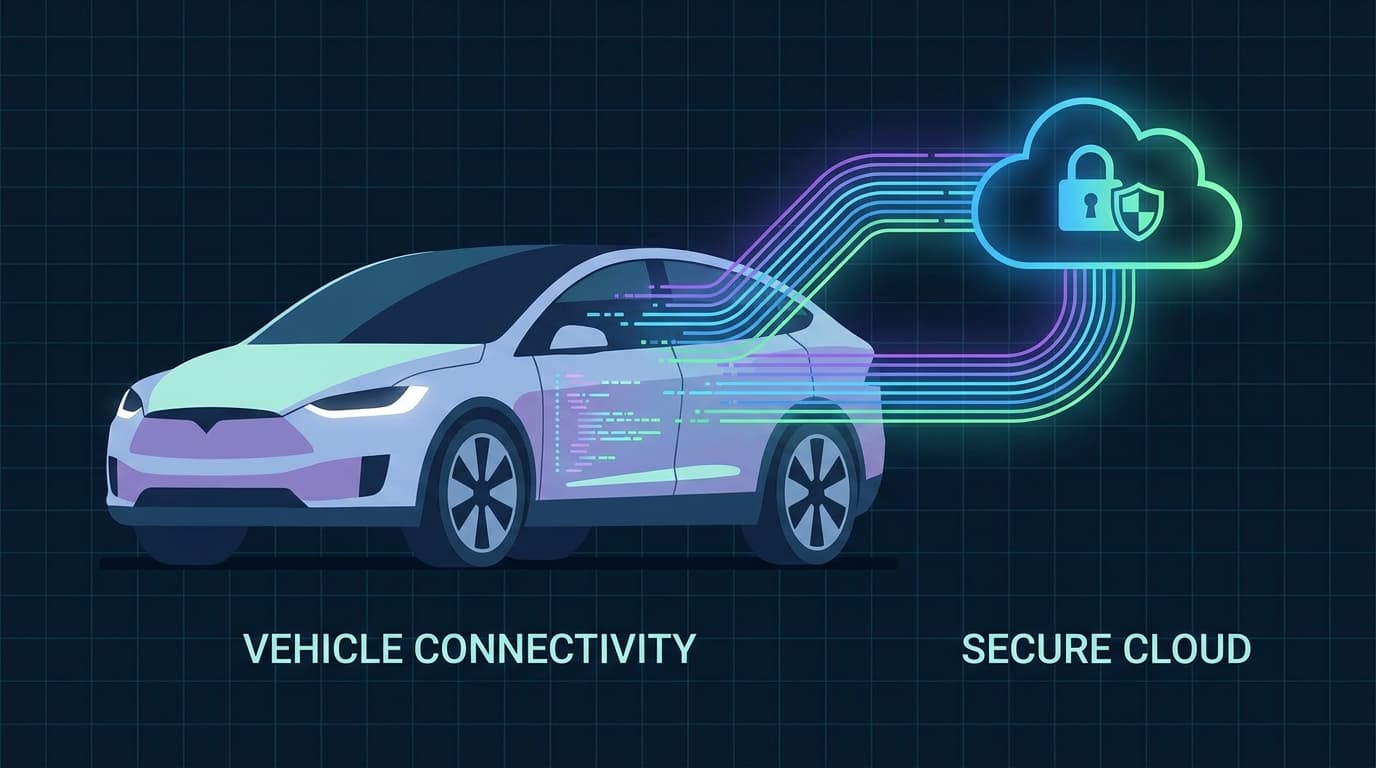
TL;DR: With over 400 million connected cars on the road and new vehicles generating 25 GB of data per hour, the underlying connectivity architecture is a major security concern. This massive scale presents a significant challenge for the automotive and IoT sectors.
Key facts
- Category
- Cybersecurity
- Impact
- High
- Published
- Source
- CIO.com
Full summary
The number of connected cars has surpassed 400 million, making their security architecture a critical concern for the automotive and IoT industry.
The number of connected vehicles on the road has surpassed 400 million, and nearly every new car now includes built-in connectivity. These systems range from sensor-based telematics that monitor vehicle health to advanced driver-assist technologies that enhance the user experience. This integration is leading to an explosion in data generation, with estimates suggesting the average car will soon produce roughly 25 gigabytes of data per hour. This constant flow of information creates a massive digital footprint for each vehicle, encompassing everything from location and performance metrics to personal driver habits. The scale of this data collection transforms modern cars into sophisticated, mobile IoT devices.
This rapid increase in connectivity and data processing creates significant security vulnerabilities. As vehicles become more interconnected, their exposure to potential cyberattacks grows substantially. The complex architecture, which links in-car systems to external networks and cloud services, presents numerous potential entry points for malicious actors. A security flaw in any part of this ecosystem could lead to serious consequences, including unauthorized access to vehicle controls, large-scale data breaches, or manipulation of critical systems. For developers, CTOs, and security professionals in the automotive and IoT sectors, designing a robust and secure connectivity architecture is no longer optional—it is a fundamental requirement for ensuring driver safety and protecting sensitive data.
Why it matters
As cars become high-volume data generators and key IoT endpoints, a flawed security architecture poses direct risks to driver safety, data privacy, and public trust in autonomous and connected technologies.
Business impact
Automakers and their technology partners face significant liability, brand damage, and regulatory risk if they fail to implement robust, end-to-end security in their vehicle connectivity platforms.
Tags
Related on Notifire
Related stories
Primary source: CIO.com