6 verified briefings on Automotive. Each story includes a plain-English summary, why it matters, and the concrete action engineering teams should take.
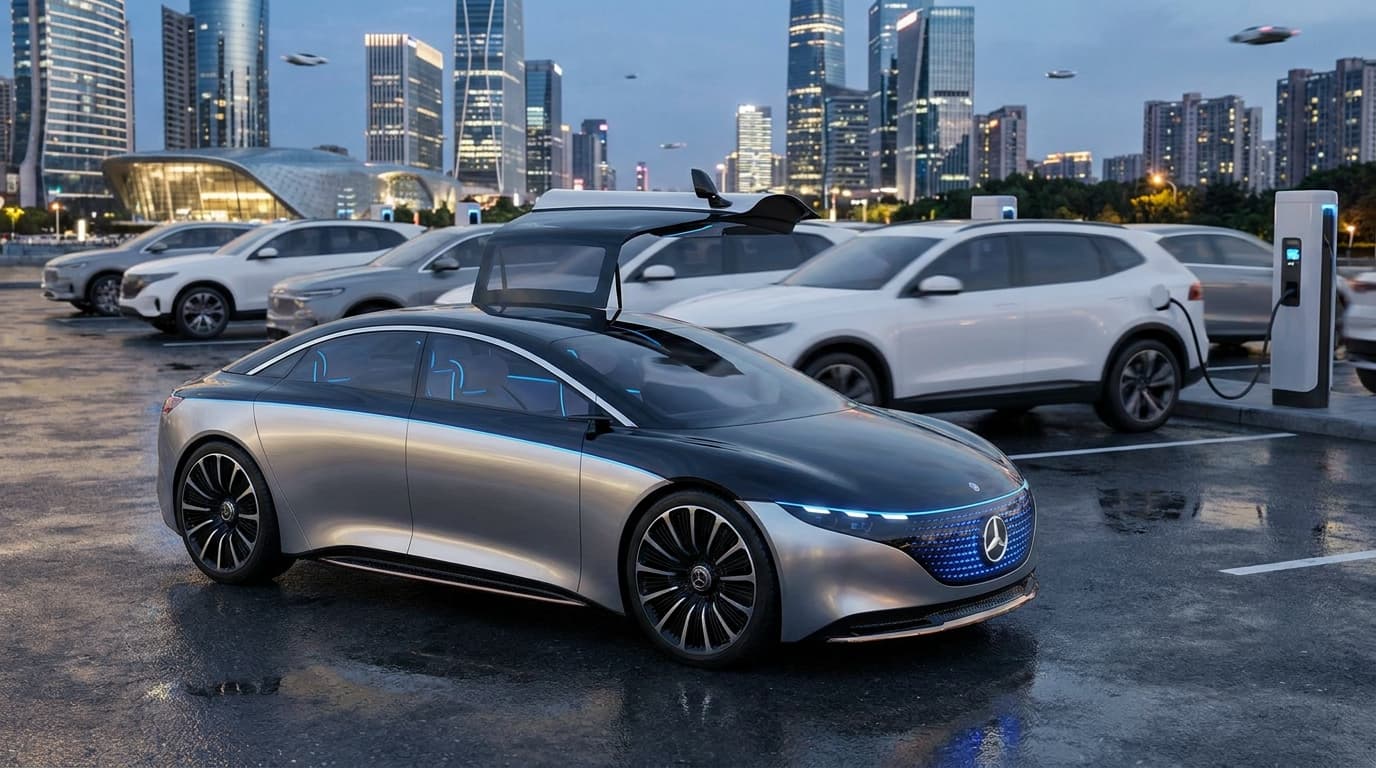
Automakers are consistently improving electric vehicle technology with larger batteries and faster charging. However, the market for sedans priced around or below $50,000 remains underserved, as manufacturers have largely focused on producing crossover SUVs in this competitive price segment, leaving a gap for consumers.
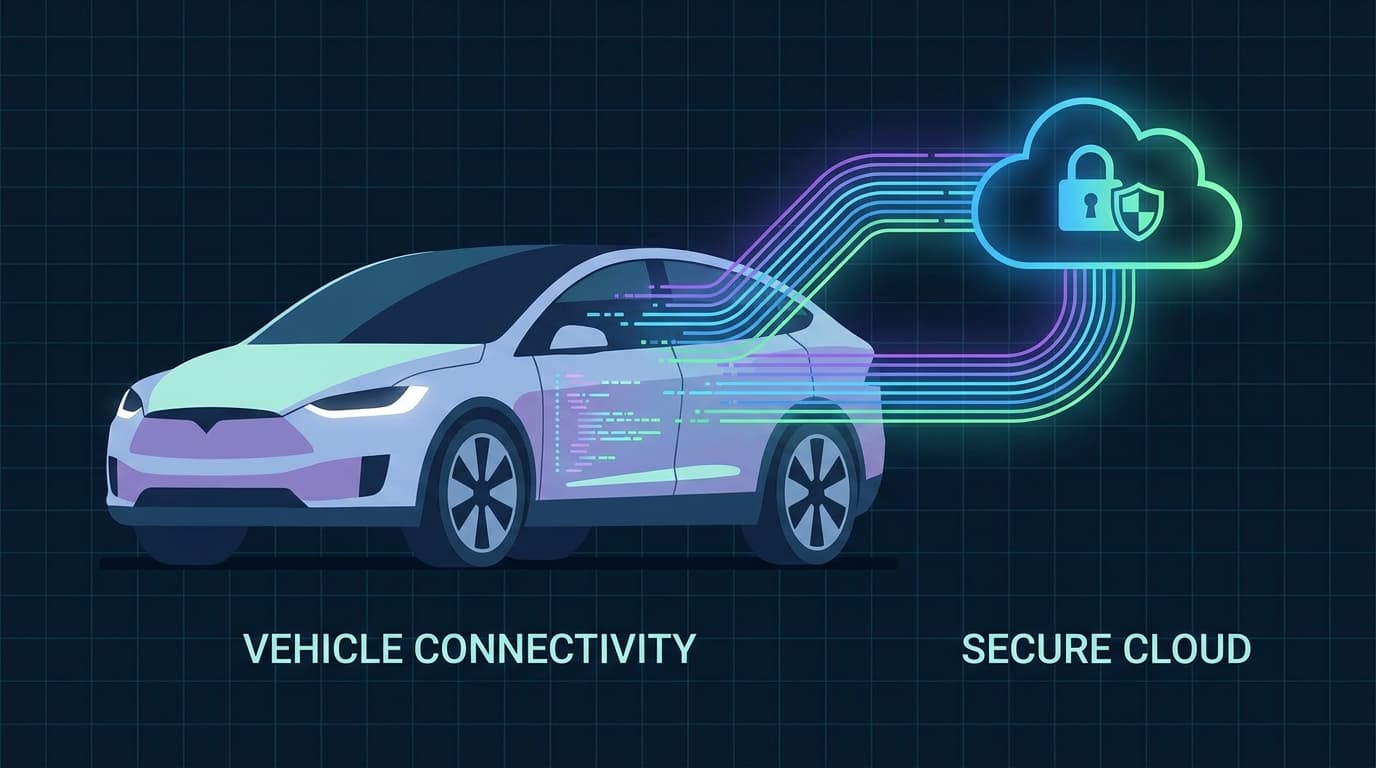
With over 400 million connected cars on the road and new vehicles generating 25 GB of data per hour, the underlying connectivity architecture is a major security concern. This massive scale presents a significant challenge for the automotive and IoT sectors.
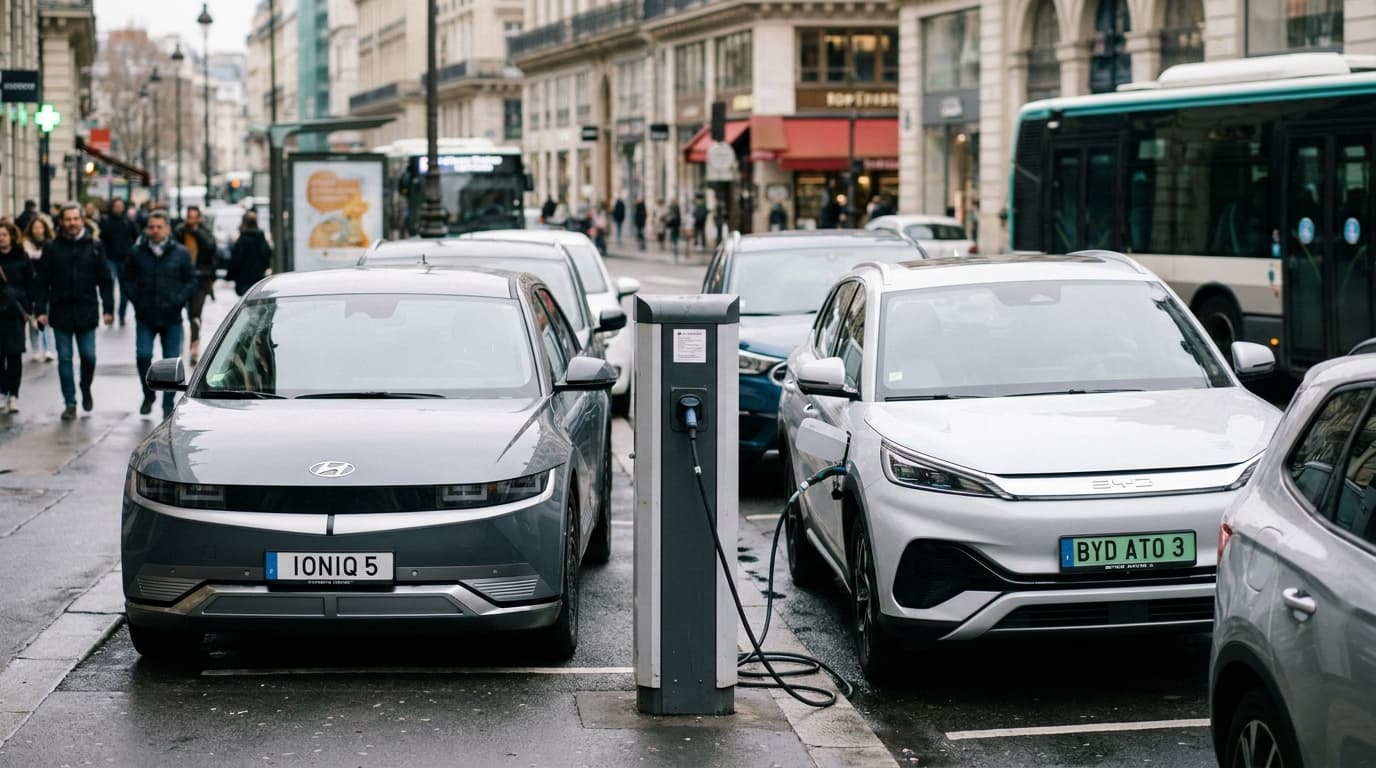
Sales of affordable electric vehicles from makers like BYD and Hyundai are surging. This rapid adoption signals a major market shift, creating new opportunities in charging infrastructure, automotive software, and battery technology for tech companies.
Indiana-based startup Slate Auto is developing a minimalist electric pickup truck with only 600 parts. The company is prioritizing user privacy and security by deliberately omitting an embedded modem, a stark contrast to the data-heavy, always-connected approach common in the automotive industry.
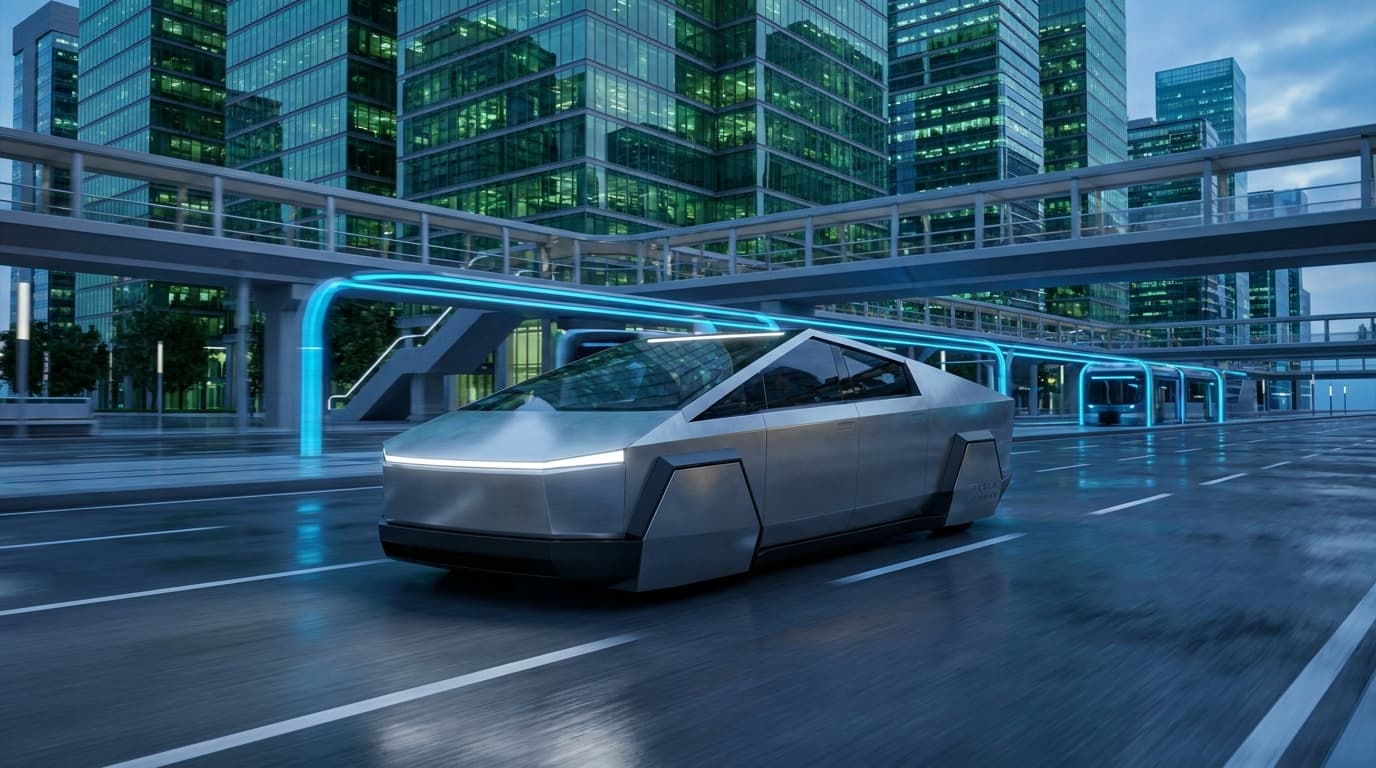
Tesla's upcoming Cybercab has been certified as the most efficient electric vehicle ever made, with a rating of 165 Wh/mi. This figure, confirmed by a company VP, surpasses the next most efficient EV, the Lucid Air Pure, which consumes 28% more energy per mile.
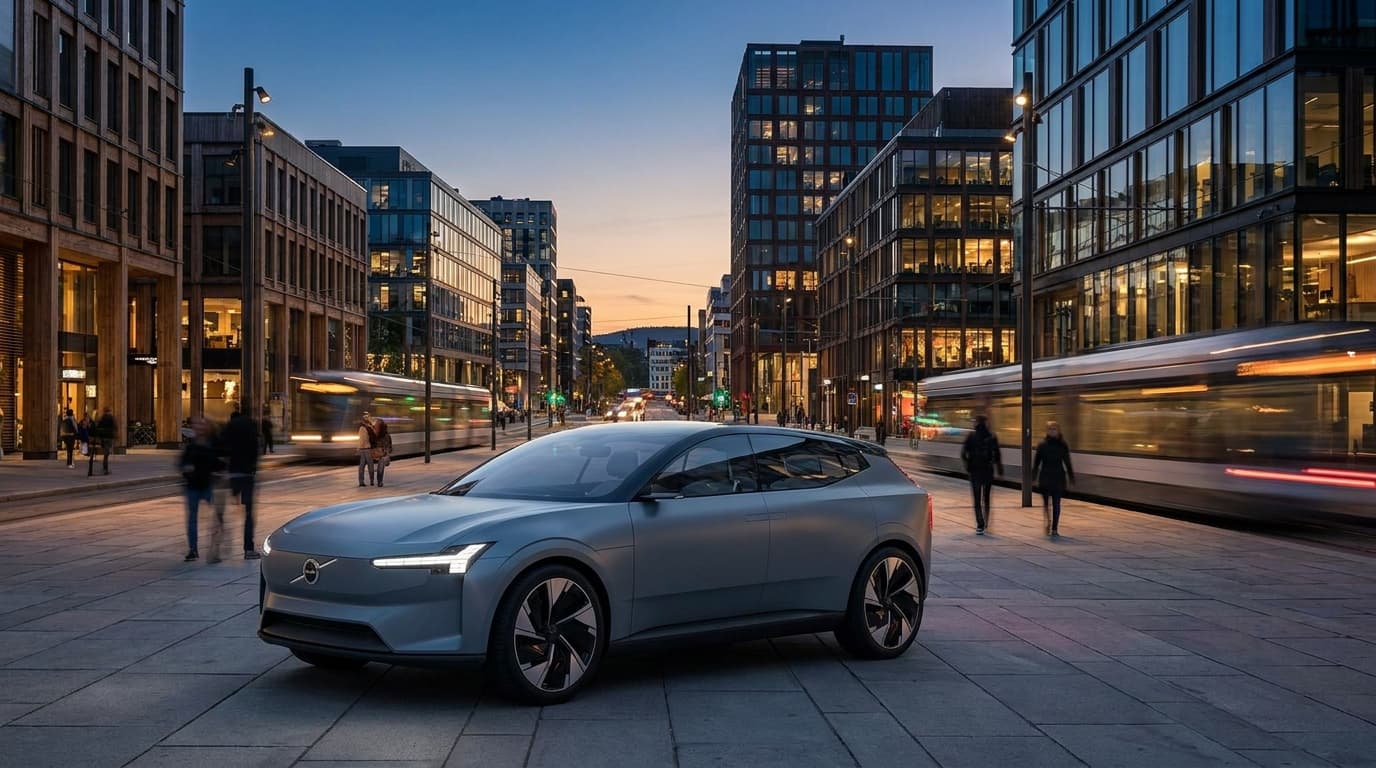
Volvo is developing a new affordable electric vehicle for the US market, following the discontinuation of its EX30 model. The EX30 faced challenges with tariffs that increased its price and a battery recall, but the company remains committed to the affordable EV segment.