Tesla Cybercab Sets New EV Efficiency Record
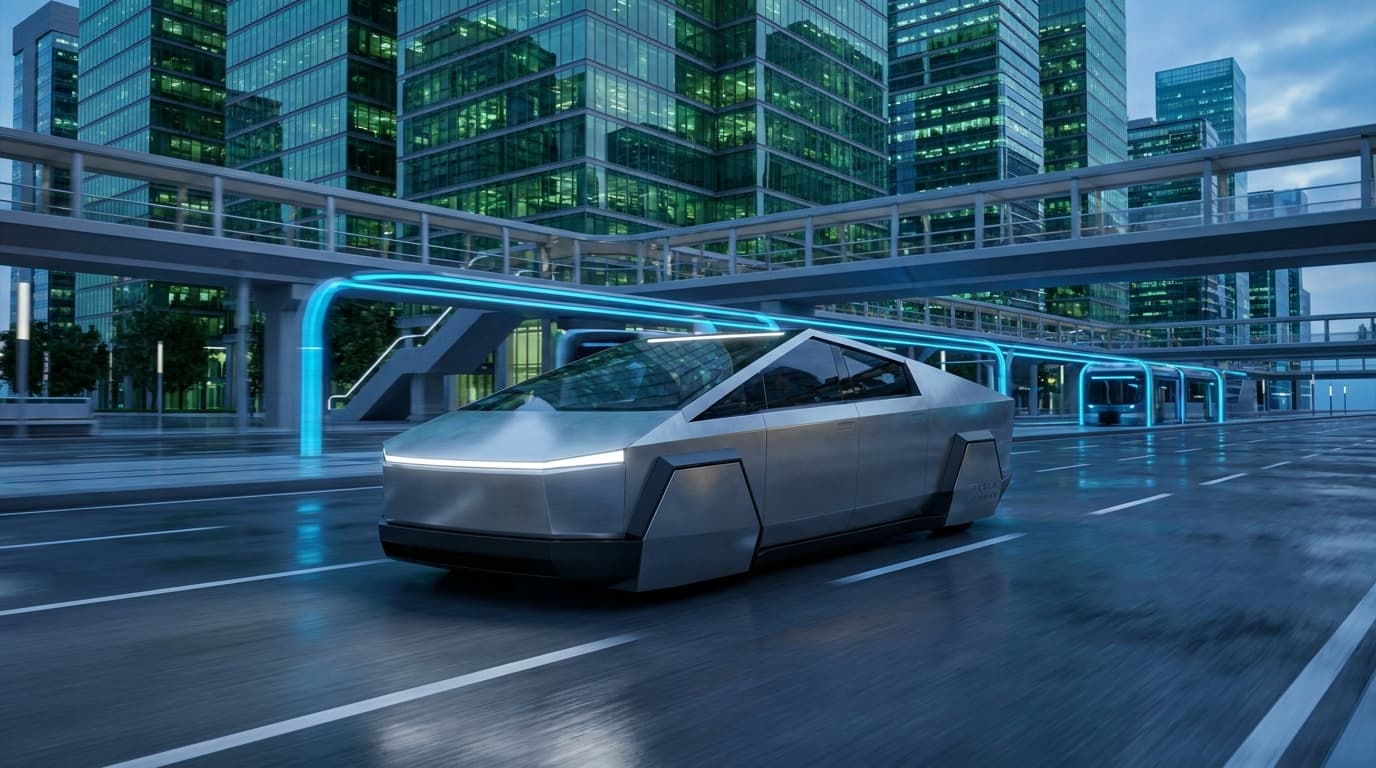
TL;DR: Tesla's upcoming Cybercab has been certified as the most efficient electric vehicle ever made, with a rating of 165 Wh/mi. This figure, confirmed by a company VP, surpasses the next most efficient EV, the Lucid Air Pure, which consumes 28% more energy per mile.
Key facts
- Category
- Tech Updates
- Impact
- High
- Published
- Source
- Slashdot
Full summary
Tesla's upcoming Cybercab has been certified as the most efficient EV ever, consuming 28% less energy per mile than its closest competitor.
Tesla's upcoming Cybercab has officially been certified as the most efficient electric vehicle ever produced. The vehicle achieved a rating of 165 watt-hours per mile (Wh/mi), a figure confirmed by Tesla's Vice President of Vehicle Engineering, Lars Moravy. This is not a marketing estimate but a certified rating, establishing a new industry standard. To put this achievement in perspective, the next most efficient EV currently on the market, the Lucid Air Pure, consumes 28% more energy to travel the same distance. This wide margin highlights a significant leap in electric vehicle engineering and powertrain optimization.
This milestone has major implications for the future of autonomous transportation. The Cybercab is designed to be a robotaxi, and extreme efficiency is a critical factor in the economic model of such a service. Lower energy consumption per mile directly translates to lower operating costs, which could provide Tesla with a substantial and durable cost advantage over competitors in the autonomous ride-hailing space. For business leaders and engineers tracking disruptive technologies, this development signals a key competitive edge in the race to deploy profitable robotaxi fleets at scale, potentially reshaping the economics of urban mobility.
Why it matters
This record-setting efficiency sets a new industry benchmark for electric vehicles. For a robotaxi fleet, this translates directly into lower operating costs, potentially giving Tesla a significant and durable economic advantage in the future of autonomous transportation.
Business impact
The Cybercab's efficiency could significantly lower the per-mile cost of operating a robotaxi fleet, a critical factor for profitability in the ride-hailing industry. This creates a potential structural cost advantage for Tesla, making its future autonomous network more competitive and economically viable compared to rivals.
Tags
Related on Notifire
Related stories
Primary source: Slashdot