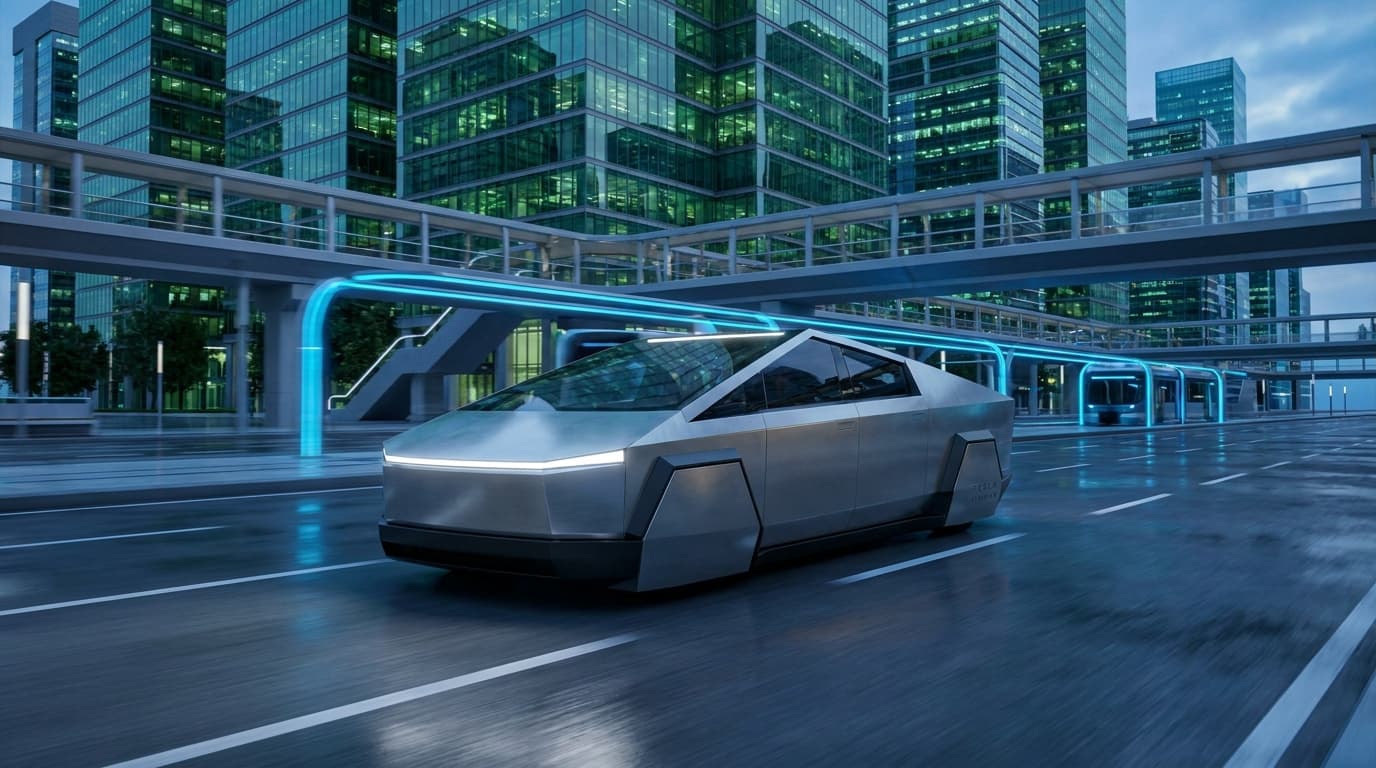
Tesla is again accepting $50,000 deposits for its next-generation Roadster, set for a reveal in October. This comes seven years after the company first took deposits for a version of the car that has yet to be produced.
New reports link fatal crashes to a critical Tesla Autopilot flaw where cars suddenly stop on freeways. The incidents raise urgent questions about the safety, liability, and real-world reliability of advanced driver-assist systems.
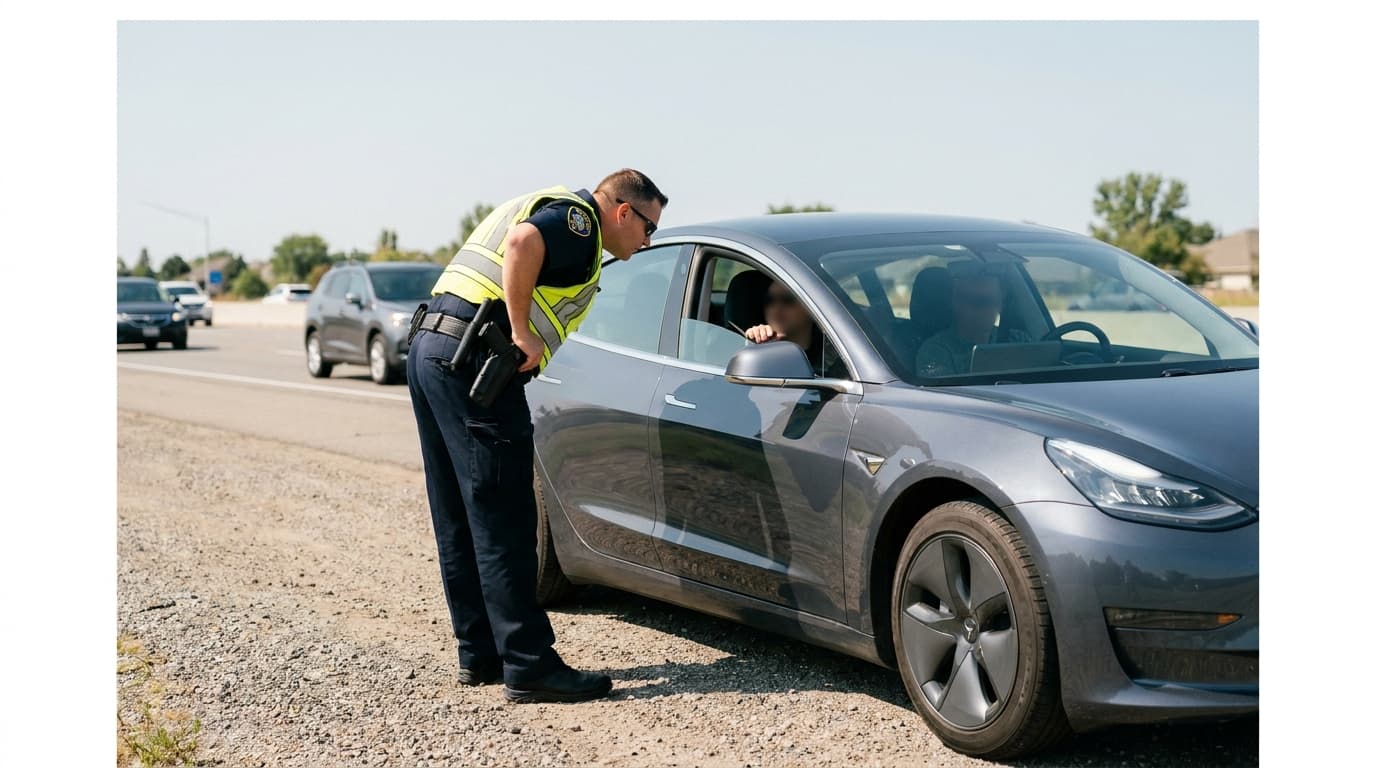
A Tesla driver using Full Self-Driving was ticketed for speeding after blaming the car's AI. The incident highlights a critical gap: the law holds the human operator fully responsible, regardless of the technology's sophistication.
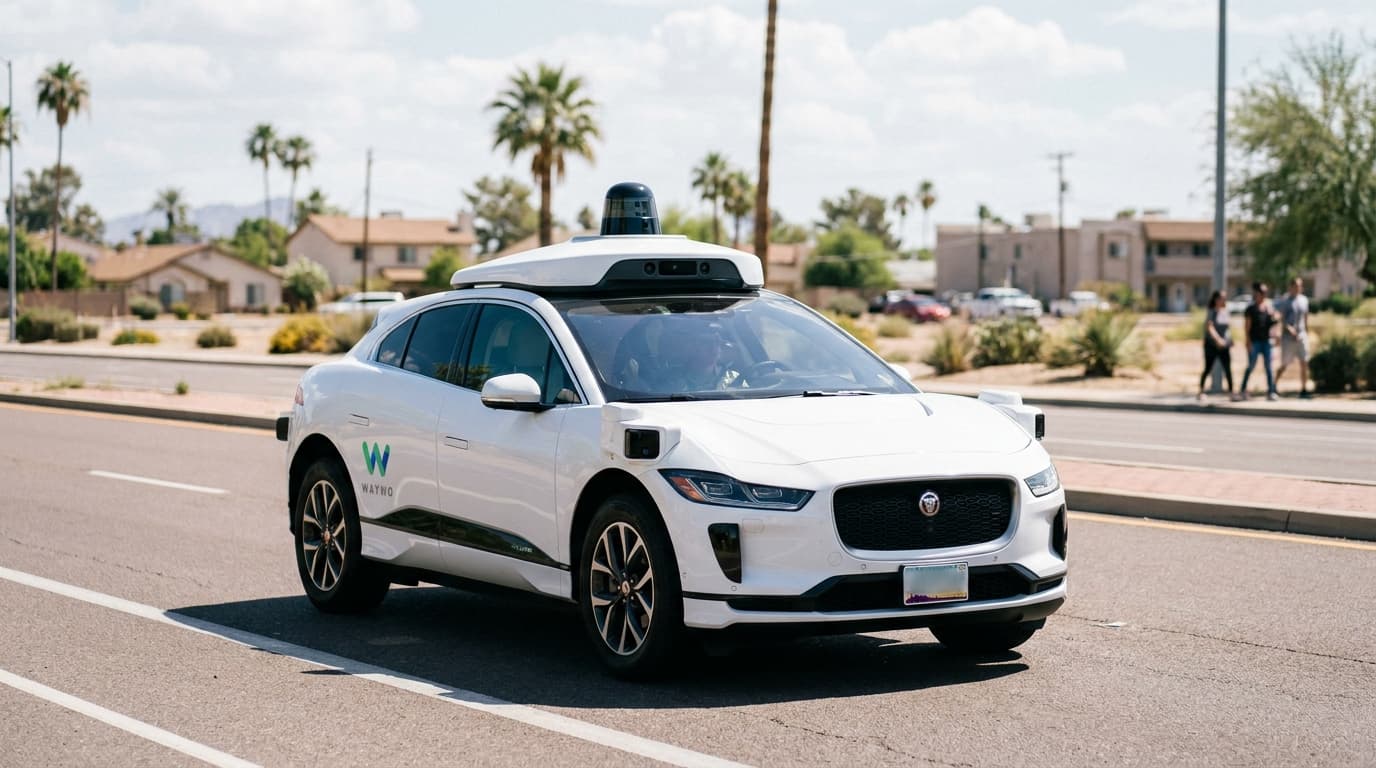
Waymo's co-CEO argues camera-only systems can't achieve full self-driving, only matching human drivers at best. This directly challenges Tesla's approach, stating that Lidar and radar are non-negotiable for safe, fully autonomous vehicles.
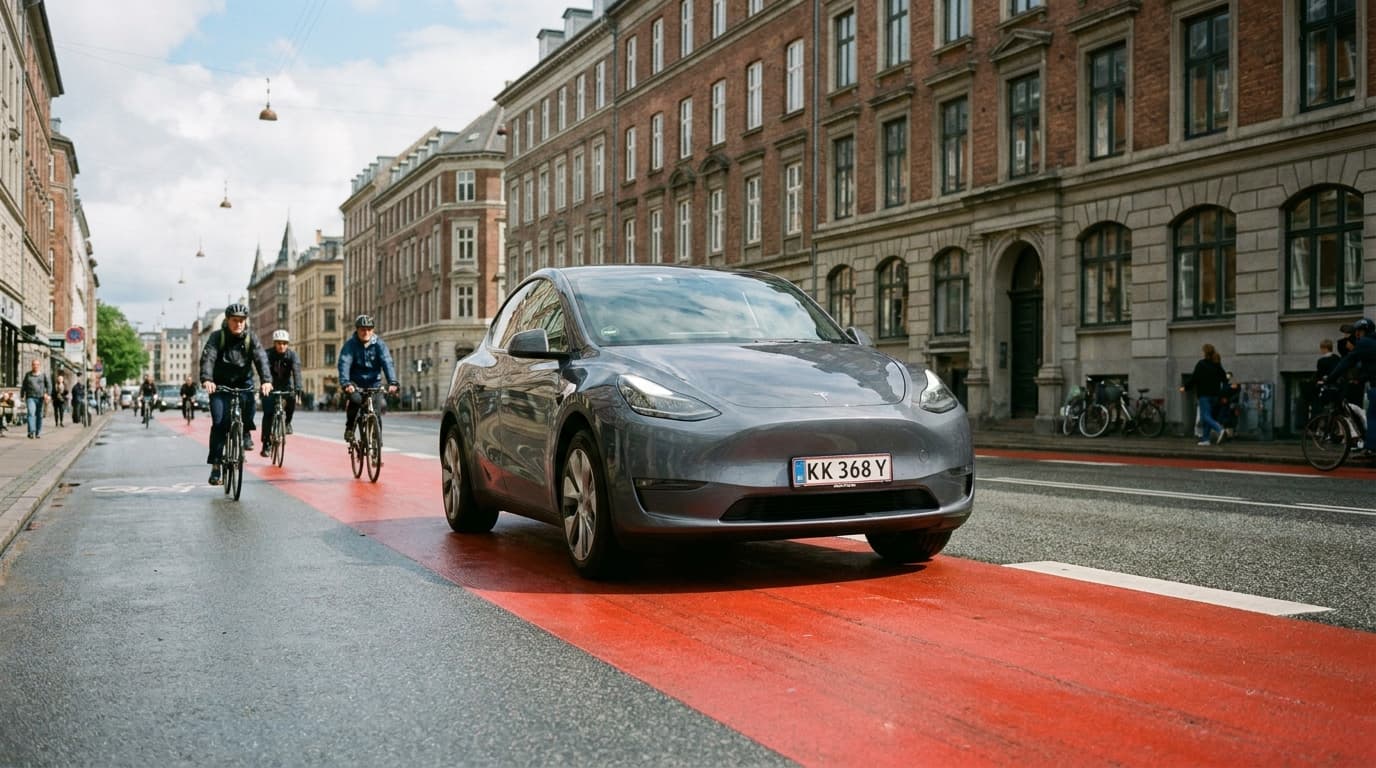
In a video submitted for regulatory approval in Denmark, Tesla's Full Self-Driving system is shown illegally using a bicycle lane. The failure highlights the major challenges autonomous systems face in adapting to complex, real-world international driving environments.
Tesla's upcoming Cybercab has been certified as the most efficient electric vehicle ever made, with a rating of 165 Wh/mi. This figure, confirmed by a company VP, surpasses the next most efficient EV, the Lucid Air Pure, which consumes 28% more energy per mile.