Open-Source Driver-Assist Beats Ford's Own System
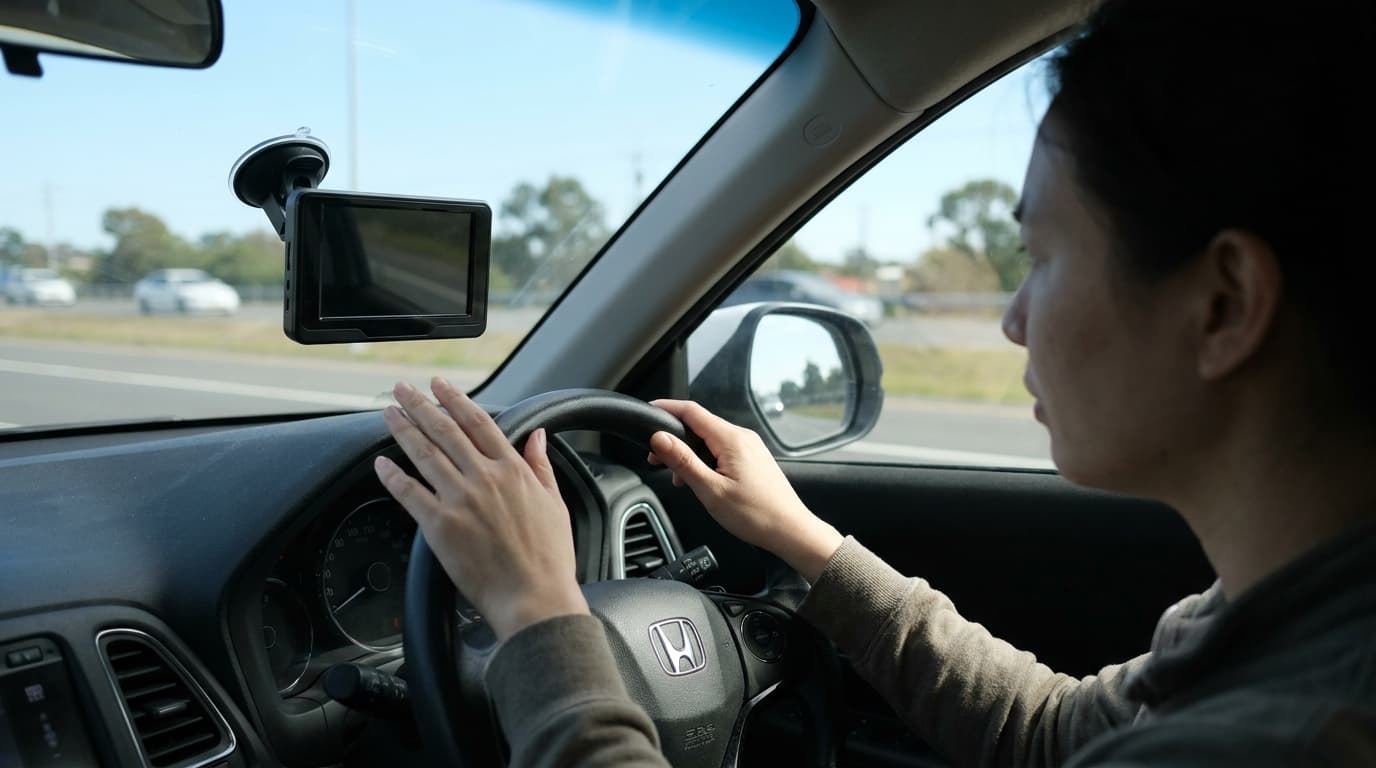
TL;DR: A writer replaced Ford's BlueCruise with an open-source driver-assistance system and found it superior after 1,000 miles. This signals that open-source software is now a viable competitor to proprietary systems in safety-critical industries like automotive.
Key facts
- Category
- Tech Updates
- Impact
- High
- Published
- Source
- TechRadar
Full summary
A driver swapped Ford's built-in BlueCruise for an open-source alternative and found it performed better, signaling a major shift for the auto industry.
A writer for TechRadar documented their experience replacing the factory-installed Ford BlueCruise driver-assistance system in their vehicle. After installing an open-source alternative and driving for 1,000 miles, they concluded the community-developed software provided a better experience and said they would not switch back. This direct, real-world comparison challenges the long-held assumption that proprietary, manufacturer-developed systems are inherently superior in complex applications like assisted driving. The evaluation was not a sterile lab experiment but a long-term test by an end-user, making the results particularly compelling for understanding the practical capabilities of these competing technologies.
The open-source system functions by combining off-the-shelf hardware with community-developed software. It integrates with the car’s existing cameras and radar by connecting to the vehicle's internal network. Unlike closed systems like BlueCruise, which receive infrequent updates on the manufacturer's schedule, open-source driver-assistance software is often updated weekly. This rapid, community-driven development cycle allows for faster bug fixes, new features, and performance tuning based on real-world driving data from a global user base. The system's logic for lane-keeping and cruise control is transparent and can be scrutinized or modified, a fundamental departure from the “black box” nature of proprietary automotive software.
This development is significant for technology leaders, developers, and security professionals. For CTOs and engineering teams, it serves as a powerful case study on the maturity of open-source software, proving that a distributed effort can produce code robust enough for safety-critical applications. This could accelerate the adoption of open-source solutions in other high-stakes fields like aerospace and medical devices. For security teams, the rise of third-party vehicle control systems introduces a new threat model. While open code allows for broad security auditing, it also exposes potential vulnerabilities. The responsibility for patching, validation, and liability shifts from a single manufacturer to a decentralized community and the end-user who installs the system.
The primary business implication is the potential for disruption in the automotive industry's software and services model. Automakers increasingly rely on high-margin software subscriptions, like BlueCruise, as a key revenue stream. The availability of a high-performing, low-cost open-source alternative directly threatens this model. It could force manufacturers to compete more aggressively on software quality or even to embrace open standards. This creates opportunities for new businesses to provide hardware, support, and validated software builds for these open systems, creating an ecosystem similar to the one around Linux. For enterprise fleet managers, this could eventually offer a path to standardizing driver-assistance technology across vehicles from different manufacturers.
Looking ahead, the key areas to watch are the regulatory response and mainstream adoption. These systems currently operate in a legal gray area, and as they grow in popularity, regulators will likely establish safety and liability standards. The industry will also be watching to see if major automakers begin to officially engage with or contribute to these open-source projects, similar to how tech giants now support core projects like Kubernetes. The success of this open-source system could be a bellwether for a broader shift across manufacturing, where value moves from closed, integrated products to open, interoperable platforms where third parties can innovate.
Why it matters
This proves open-source software can compete with proprietary systems in safety-critical industries. For tech leaders, it's a case study in community-driven development; for security teams, it introduces a new vehicle threat model where liability and patching are decentralized.
Business impact
The success of open-source alternatives directly threatens the high-margin software subscription models of major automakers. It could force them to compete more aggressively on software quality or embrace open standards, creating an ecosystem for third-party hardware and support services.
Tags
Related on Notifire
Related stories
Primary source: TechRadar