Slate Auto's EV Puts Privacy First
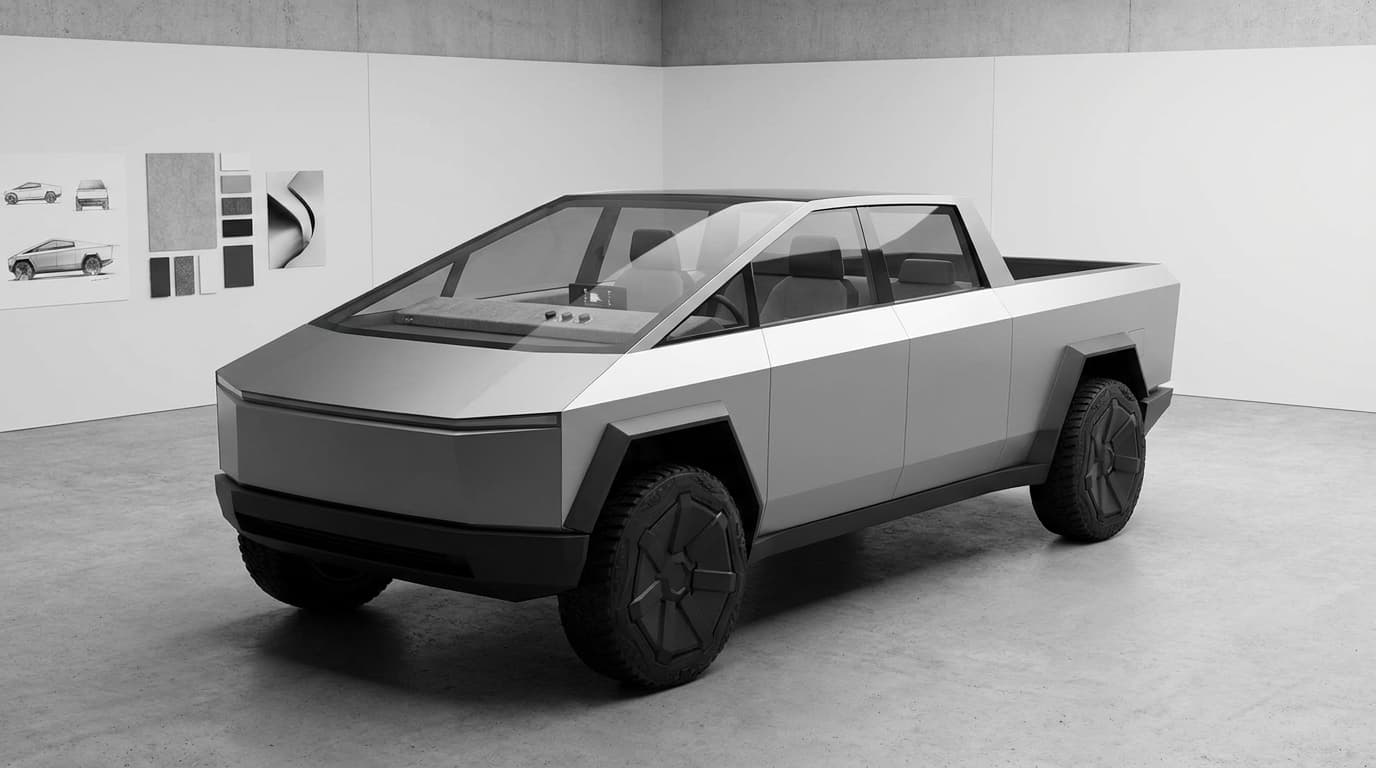
TL;DR: Indiana-based startup Slate Auto is developing a minimalist electric pickup truck with only 600 parts. The company is prioritizing user privacy and security by deliberately omitting an embedded modem, a stark contrast to the data-heavy, always-connected approach common in the automotive industry.
Key facts
- Category
- Tech Updates
- Impact
- High
- Published
- Source
- Ars Technica
Full summary
An EV startup is challenging the industry by building a minimalist truck with a key feature: no internet connection for enhanced user privacy.
Slate Auto, a startup based in Warsaw, Indiana, is taking a unique approach to the electric vehicle market. The company is developing an electric pickup truck built on a principle of extreme minimalism, using only around 600 parts and components. This design philosophy extends beyond the physical build to its digital footprint. In a significant departure from industry norms, Slate Auto has decided to forgo an embedded modem in its vehicle. This means the truck will not have a persistent, built-in internet connection, a feature now standard in most new cars.
This decision positions the Slate Truck as a privacy-focused product, directly challenging the data-intensive model of the modern automotive industry. By eliminating the modem, the company drastically reduces the vehicle's digital attack surface and prevents the collection of user driving data, a common practice among major manufacturers. For founders, CTOs, and security teams, Slate Auto's strategy serves as a compelling case study in privacy-by-design. It demonstrates a viable alternative to the 'smart,' always-connected device paradigm, prioritizing user security and data ownership over feature-creep and monetization of user information.
The move highlights a growing consumer and developer interest in simpler, more secure technology that respects user autonomy. While the broader industry continues to integrate more sensors and data-driven services, Slate Auto is betting that a segment of the market values privacy and simplicity more. This minimalist approach could influence product development beyond the automotive sector, encouraging other companies in the IoT space to consider whether constant connectivity is a necessity or a liability.
Why it matters
Slate Auto's decision to build an EV without an embedded modem is a significant move towards privacy-by-design. It challenges the industry standard of constant connectivity and data collection, offering a model for building more secure, user-centric products and reducing the digital attack surface in IoT devices.
Business impact
This strategy creates a unique market position for Slate Auto, appealing to privacy-conscious consumers and businesses. It can also lower production complexity and costs. For other companies, it serves as a case study for using privacy and simplicity as a core competitive advantage, potentially influencing product design in the broader IoT landscape.
Tags
Related on Notifire
Related stories
Primary source: Ars Technica