GoBGP Flaws Allow Remote Crashes
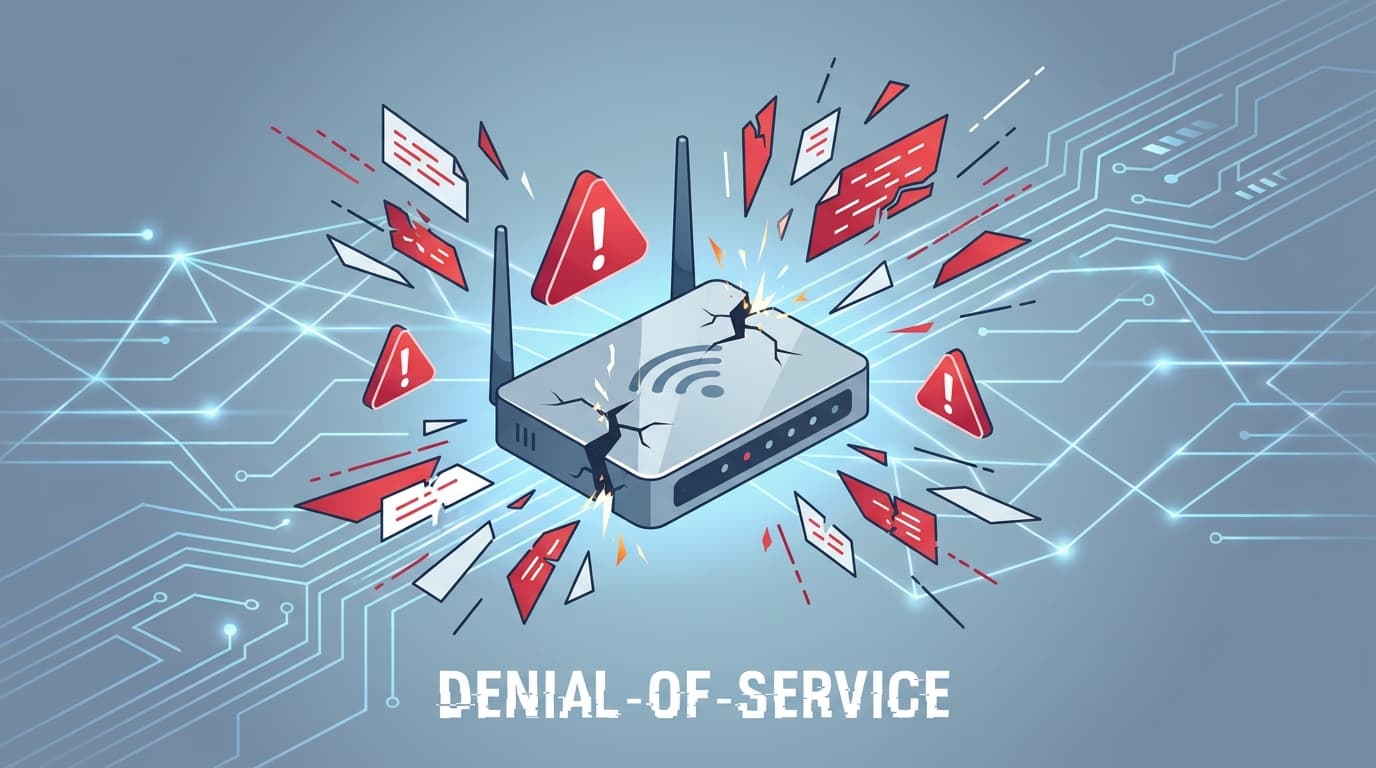
TL;DR: Multiple security vulnerabilities have been discovered in GoBGP, an open-source BGP implementation. Attackers can send specially crafted BGP UPDATE messages to remotely crash the service, leading to a denial of service. This impacts network stability and availability for organizations using the software for core routing.
Key facts
- Category
- Cybersecurity
- Impact
- High
- Published
- Source
- Ubuntu Security Notices
Full summary
Multiple security flaws in the GoBGP routing software allow remote attackers to crash the service, creating a significant denial-of-service risk.
Multiple security vulnerabilities have been discovered in GoBGP, an open-source implementation of the Border Gateway Protocol. The flaws stem from GoBGP incorrectly handling certain specially crafted BGP UPDATE messages. According to the security notice, malformed messages, including those with specific 4-byte AS attributes, can cause the service to crash upon receipt. This can be triggered by a remote attacker without requiring any authentication, making it a straightforward vector for exploitation. The root cause is insufficient validation of incoming BGP data packets before they are processed by the software, leading to an unhandled error.
The primary impact of these vulnerabilities is a denial-of-service (DoS) condition. By sending a malicious message, an attacker can remotely shut down the GoBGP service, disrupting routing and interrupting network traffic for any organization that relies on it. This poses a significant risk for network operators, cloud providers, and enterprises using GoBGP for core routing functions. Given that BGP is a fundamental protocol for directing internet traffic, the security of its implementations is paramount. Administrators managing GoBGP deployments are urged to review the official security notice and apply the necessary updates to mitigate the risk and ensure network stability.
Why it matters
A remote attacker can crash core internet routing software with a single malformed message, causing network outages for services that rely on GoBGP.
Business impact
Exploitation of these vulnerabilities can lead to network downtime and service interruptions, directly impacting application availability, customer access, and revenue. Restoring service requires manual intervention, increasing operational overhead for IT and network teams.
⚡ Action needed
Administrators of systems running GoBGP should review the Ubuntu Security Notice (USN-8348-1) and apply the recommended patches immediately to prevent potential denial-of-service attacks.
Action checklist
- 1Identify all instances of GoBGP running in your network infrastructure.
- 2Review the official security advisory for your specific platform.
- 3Apply the recommended patches or updates to all affected GoBGP instances.
- 4Monitor network traffic for unusual BGP UPDATE messages as an additional precaution.
Tags
Related on Notifire
Related stories
Primary source: Ubuntu Security Notices