iPhone Flaw Let Apps Record Audio Without Permission
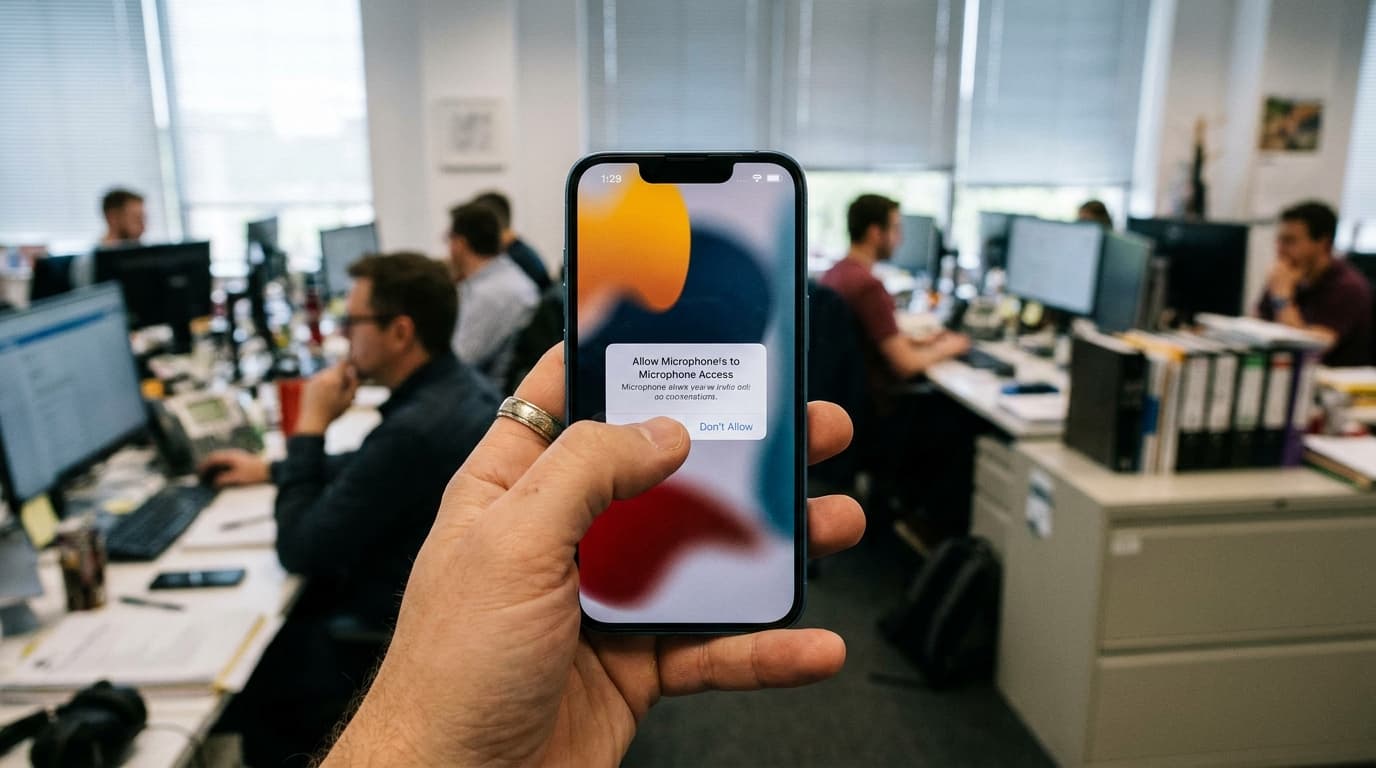
TL;DR: A now-patched iOS flaw allowed apps to record audio even when users denied microphone access. The vulnerability bypassed a core privacy control, but Apple reports no evidence it was ever used in real-world attacks.
Key facts
- Category
- Cybersecurity
- Impact
- Critical
- Published
- Source
- The Hacker News
Full summary
A now-patched iOS flaw let apps record audio from your iPhone's microphone, even after you explicitly denied permission.
Apple has patched a significant security flaw in iOS and iPadOS that allowed applications to record audio from the microphone even after a user explicitly denied permission. According to reporting from The Hacker News, the vulnerability existed within Apple's core audio service. Security researchers discovered the issue and disclosed it to Apple, which released a fix in software updates on August 17. Technical details were later published by Nik Tsytsarkin of Meta's Red Team X. Both Apple and the researchers have stated there is no evidence that this flaw was ever actively exploited by malicious actors, but its existence highlights a critical breakdown in one of the platform's most fundamental privacy safeguards.
The vulnerability was not a simple bug but a logic flaw deep within the operating system's architecture. On iOS, user privacy is managed by a framework called Transparency, Consent, and Control (TCC). When an app first requests access to the microphone, TCC presents the familiar "Allow" or "Don't Allow" prompt. The user's choice is then supposed to be enforced across the system. This flaw created a disconnect between the TCC decision and the underlying audio service that apps use to access hardware. An app could essentially bypass the user's recorded denial and still activate the microphone. This type of bug is particularly concerning because it subverts a clear and explicit user action, making the privacy indicator in the status bar an unreliable signal.
This incident fits into a broader landscape of platform security challenges, even for companies like Apple that market their products as privacy-centric. It serves as a powerful reminder that no "walled garden" is impenetrable. The complexity of modern operating systems means that logic flaws can exist for years, hidden in the interactions between different system components. The discovery by Meta's security team is also notable. It exemplifies a positive, if competitive, trend where large tech companies invest heavily in finding vulnerabilities in each other's platforms. This ecosystem of corporate red teams and independent researchers, working through responsible disclosure programs, is essential for finding and fixing critical bugs before they can be widely exploited.
For CTOs, developers, and security leaders, the key takeaway is that platform-level trust must be earned and continuously verified, not assumed. The incident reinforces the absolute necessity of maintaining a rapid and comprehensive patching policy for all corporate devices. Mobile Device Management (MDM) systems should be configured to enforce updates as quickly as possible. For developers, this is a lesson in the fallibility of underlying APIs; while you must trust the OS to handle permissions, building resilient systems means being aware that even core platform promises can sometimes be broken. Looking forward, security teams should remain vigilant for similar logic flaws that could affect other permission-gated services, such as the camera, location data, or contacts. The core pattern—a disconnect between user consent and low-level service access—could potentially be replicated elsewhere.
Why it matters
This vulnerability undermines a fundamental user trust assumption: that denying a permission prompt actually works. For developers and security teams, it's a stark reminder that even robust platform-level controls can have critical implementation flaws, requiring constant vigilance and prompt patching.
Business impact
A flaw that bypasses core privacy controls creates significant brand risk and erodes customer trust, even if unexploited. For companies building on iOS, this highlights the dependency on platform security and the potential reputational damage from vulnerabilities outside their direct control.
⚡ Action needed
Apple patched this vulnerability in updates released on August 17. Users should ensure their iPhones and iPads are running the latest version of iOS and iPadOS to be protected.
Action checklist
- 1Verify all corporate and personal iOS/iPadOS devices are updated to the latest OS version.
- 2Review Mobile Device Management (MDM) policies to enforce automatic updates where possible.
- 3Communicate the importance of timely software updates to all employees.
- 4Consider auditing high-risk app permissions on managed devices as a general security practice.
Tags
Related on Notifire
Related stories
Primary source: The Hacker News