6 verified briefings on Business Strategy. Each story includes a plain-English summary, why it matters, and the concrete action engineering teams should take.
The way the tech industry is adopting AI provides a clear roadmap for other sectors. This means industries like healthcare and finance can anticipate similar shifts in workflow, roles, and automation as the technology matures.
Apple's iPhone Upgrade Program sells phones directly to consumers, cutting out carriers like Verizon and AT&T. This strategic move weakens carrier control over the customer relationship and shifts power further towards Apple's ecosystem.
A New York Fed study finds small businesses using AI are far more optimistic about growth than non-users. However, there's a reality gap: only 31% have seen increased sales, signaling a need for tempered expectations.
Gaming giant Capcom announced that 90% of its game unit sales are now digital. This shift protects the company from the decline of physical media and signals a major trend for the entire software industry.
Many companies struggle to get value from their AI investments. The issue often isn't the technology, but a leadership gap in connecting AI initiatives to clear, measurable business goals and a company-wide data strategy.
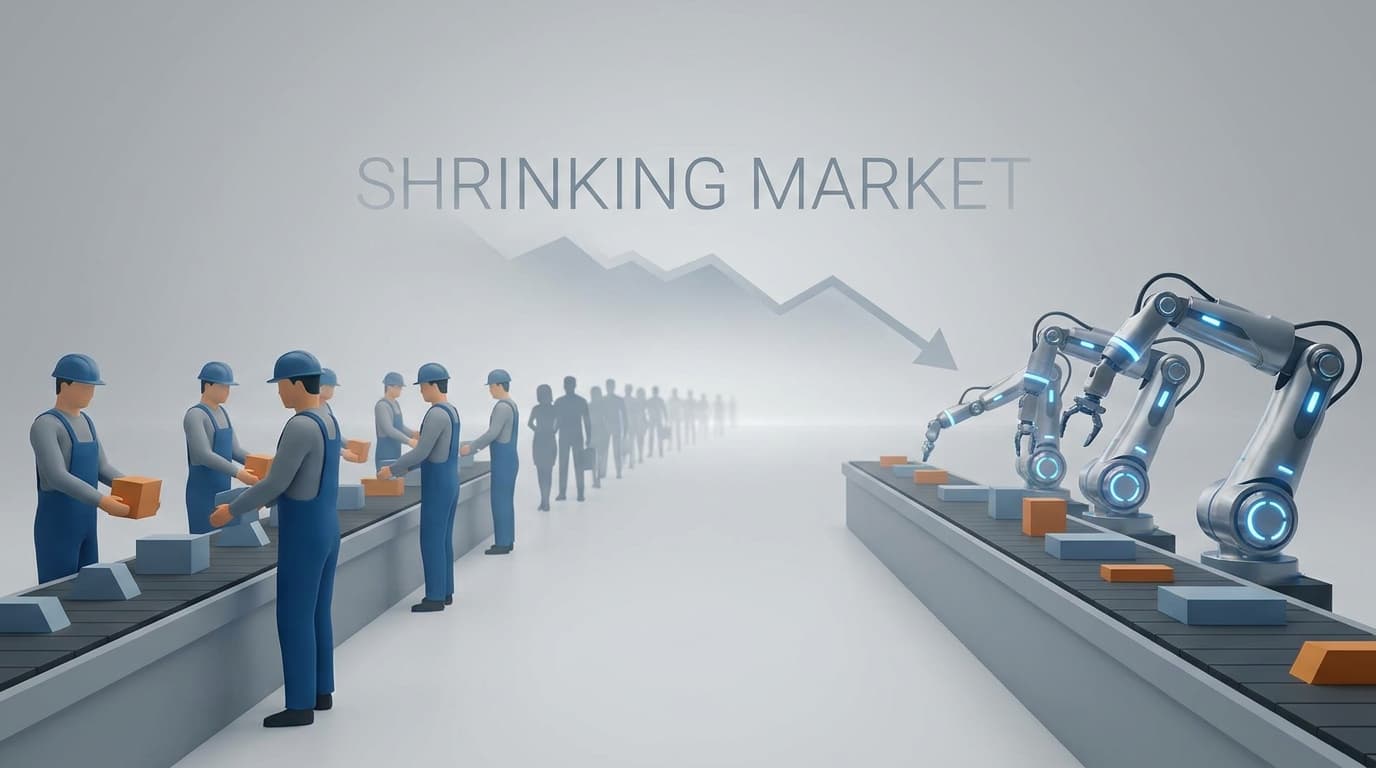
A recent analysis explores the economic consequences of mass layoffs driven by AI automation. The argument suggests that if companies fire their workforce, they also eliminate a significant portion of their consumer base, raising questions about who will purchase their services in a highly automated future.