Why Carriers Fear Apple's iPhone Upgrade Program
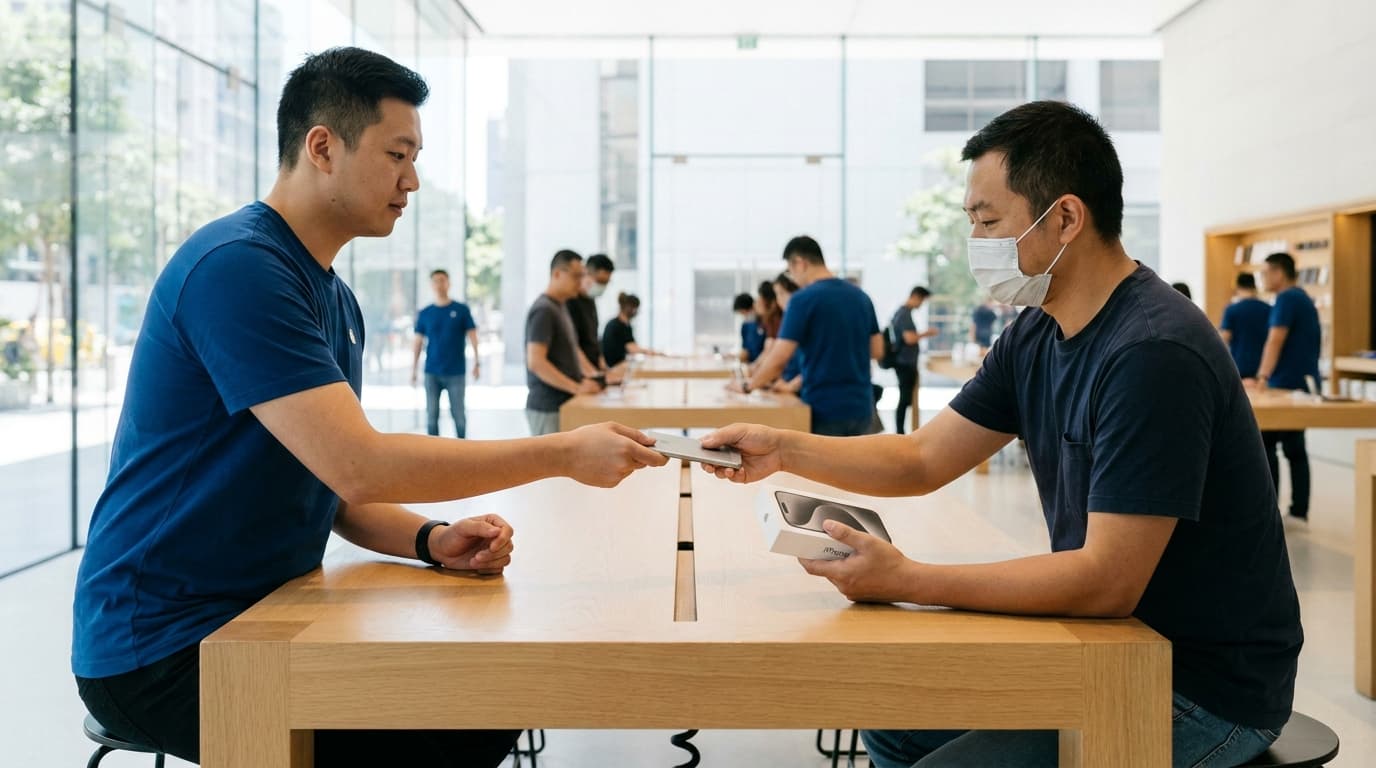
TL;DR: Apple's iPhone Upgrade Program sells phones directly to consumers, cutting out carriers like Verizon and AT&T. This strategic move weakens carrier control over the customer relationship and shifts power further towards Apple's ecosystem.
Key facts
- Category
- Tech Updates
- Impact
- High
- Published
- Source
- TechRadar
Full summary
Apple's iPhone Upgrade Program isn't just about selling phones. It's a strategic play to weaken carriers and own the customer relationship.
According to analysis from TechRadar, Apple's iPhone Upgrade Program represents a fundamental threat to the business model of major telecommunications carriers like Verizon and AT&T. This isn't just a new way to sell phones; it's a calculated strategic maneuver designed to shift power away from network operators and centralize it within Apple's own ecosystem. The strategy harks back to the original iPhone launch in 2007, which completely upended the mobile industry by giving Apple unprecedented control over software and user experience, decimating third-party resellers and forcing carriers to adapt to its terms. The Upgrade Program is the next logical step in this long-term campaign for market dominance. It directly targets the primary leverage carriers have historically held over consumers: the device subsidy and the long-term service contract. By offering a compelling alternative, Apple is methodically weakening its partners and redefining the rules of the mobile market in its favor.
The mechanics of the program are deceptively simple but strategically brilliant. Instead of a customer walking into a carrier's store to get a new phone tied to a two-year service agreement, they can now engage directly with Apple. The iPhone Upgrade Program is essentially a loan, financed through a partner bank, that allows a consumer to pay for their iPhone in monthly installments. Crucially, the plan includes AppleCare+ and the option to upgrade to a new model after just 12 payments. The most disruptive element, however, is that the iPhone comes unlocked from the start. This seemingly small detail is a game-changer. It severs the financial and contractual ties that have historically bound a customer to a specific carrier for years. An unlocked phone means the user has the freedom to choose or switch their mobile network provider at any time, transforming the carrier from a long-term partner into an interchangeable, on-demand utility.
In the broader context of platform economics, this is a masterstroke of disintermediation. For decades, carriers acted as the primary gatekeepers to the mobile market. They controlled the customer relationship, the billing, and the device distribution. Apple's program systematically dismantles that structure. By taking over the financing and sales process, Apple inserts itself as the primary point of contact for the consumer, capturing invaluable data and fostering direct loyalty. This move effectively commoditizes the carriers, reducing them to "dumb pipes" that simply provide the data connectivity for Apple's hardware and services to run on. It's a strategy seen across the tech industry, where dominant platforms seek to control their entire value chain to maximize profits and strengthen their ecosystem's "moat." Apple is no longer just a hardware manufacturer; it is a services and finance company that leverages its iconic product to control every valuable layer of the mobile experience, from the App Store and Apple Pay to the device purchase itself.
For founders, CTOs, and business strategists, the key takeaway is the immense value of owning the end-to-end customer relationship. Apple's long game demonstrates how a superior product can be leveraged to gradually erode the power of established distribution partners and capture more value over time. Looking ahead, the pressure on carriers will only intensify. They will be forced to compete more fiercely on the core merits of their service—network speed, reliability, and price—as their ability to lock in customers through device financing diminishes. We can expect them to counter with aggressive bundling of other services, like home internet and streaming subscriptions, to create their own sticky ecosystems. Meanwhile, Apple is likely to deepen this strategy, potentially integrating the Upgrade Program more tightly with its Apple One services bundle, further solidifying its ecosystem and making the choice of carrier an afterthought for millions of its loyal customers. The battle is no longer just about the best phone, but about who owns the customer.
Why it matters
For developers and CTOs, this move illustrates a powerful platform strategy. By controlling hardware, software, and now financing, Apple is systematically disintermediating carriers, turning them into commoditized data providers. It's a case study in how to build and defend a technology ecosystem by owning the customer relationship.
Business impact
Apple's strategy directly erodes the primary business model of telecom carriers, which relies on locking in customers with device subsidies and contracts. This shift reduces carriers' leverage, customer loyalty, and lucrative add-on sales, forcing them to compete on network quality and price alone—a much lower-margin business.
Tags
Related on Notifire
Related stories
Primary source: TechRadar