7 verified briefings on Cloud Native. Each story includes a plain-English summary, why it matters, and the concrete action engineering teams should take.
The Kubernetes project is promoting KYAML, a stricter version of YAML, to make configuration files safer and more predictable. This aims to reduce common errors that cause deployment failures for developers and DevOps teams.
Kubernetes v1.37 now automatically updates stored data versions, a feature called Storage Version Migration. This makes cluster upgrades safer and eliminates a major operational headache for teams managing custom resources, reducing risk and manual work.
Netflix has replaced its homegrown batch processing system with Kueue, an open-source alternative. The move gives them more features and saves the high cost of maintaining a custom internal tool for managing large-scale computing jobs.
The technology eBPF allows developers to safely run custom programs inside the Linux kernel. This provides deep system visibility for performance and security monitoring without the risks or slow update cycles of traditional methods.
OpenTelemetry (OTel) offers a standard for telemetry data, promising vendor neutrality. However, a recent analysis highlights the complexities behind this promise. While OTel provides a common format, true neutrality is challenging as vendor-specific features can still lead to forms of lock-in.
As Kubernetes environments grow, teams often copy sensitive data like API keys across accounts, creating a security risk. A tool called External Secrets Operator automates this, keeping secrets in one place and syncing them securely.
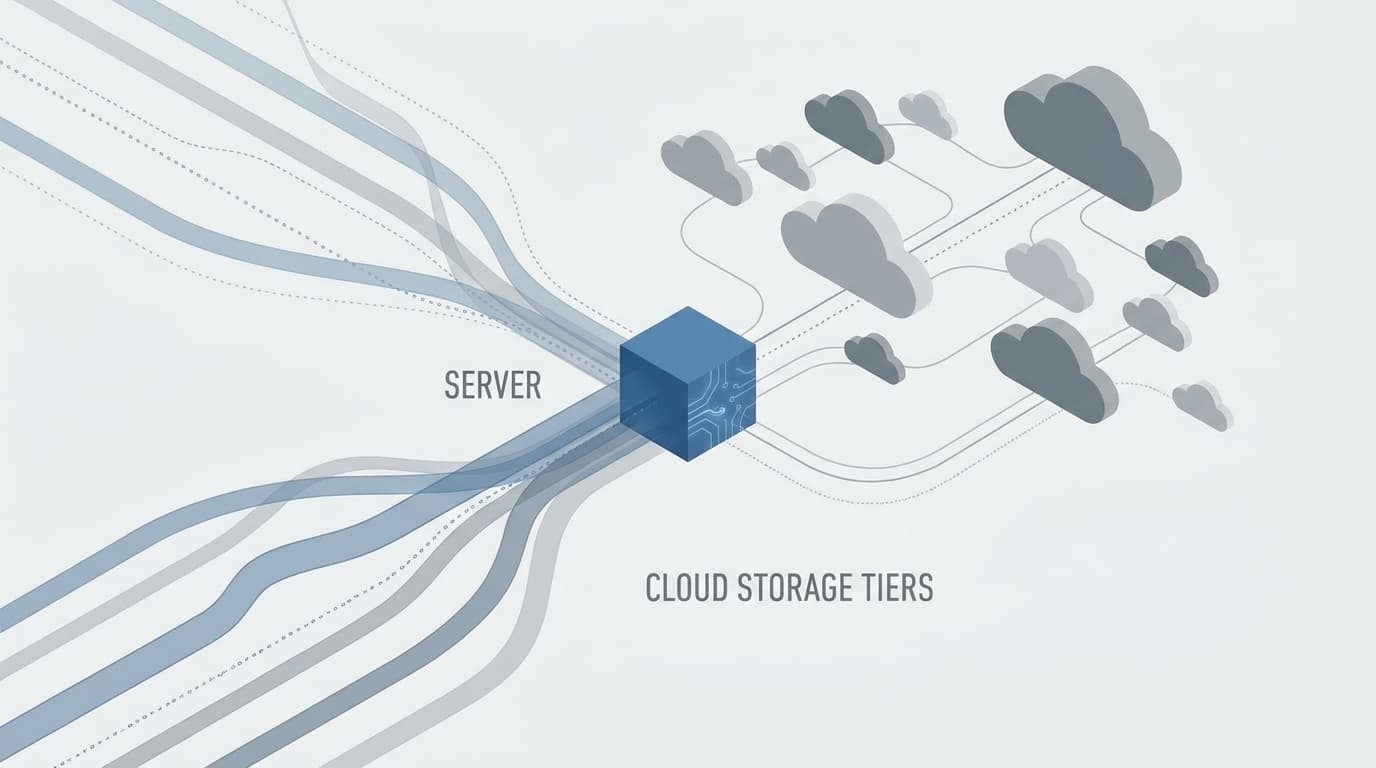
Apache Kafka is evolving into a cloud-native platform. This shift involves tiered storage for cost efficiency, better financial operations (FinOps) telemetry, and elastic scaling. Architects are also exploring a future where Kafka could operate without local disks, changing its core operational model.