An Amazon project using AI for simple coding tasks cost $1.8 million, a staggering 860% over budget. The five-month oversight failure is a stark warning about the hidden financial risks of deploying AI without strict governance.
AWS has launched a new managed service called FinOps Agent. It automatically investigates cost spikes, finds the cause, and sends alerts to the right teams through tools like Slack and Jira to help control cloud spending.
Many companies adopt multicloud strategies by collecting logos of major providers for presentations, but fail to implement effective governance. This approach leads to operational complexity, a lack of control over resources, and significant cost inefficiencies, turning a strategic advantage into a major management challenge.
Companies readily use automation to boost productivity but hesitate to let it cut cloud costs. This trust gap, especially with expensive AI workloads, prevents effective cost management. According to CloudBolt's COO, this imbalance is a key challenge in modern FinOps, hindering significant potential savings.
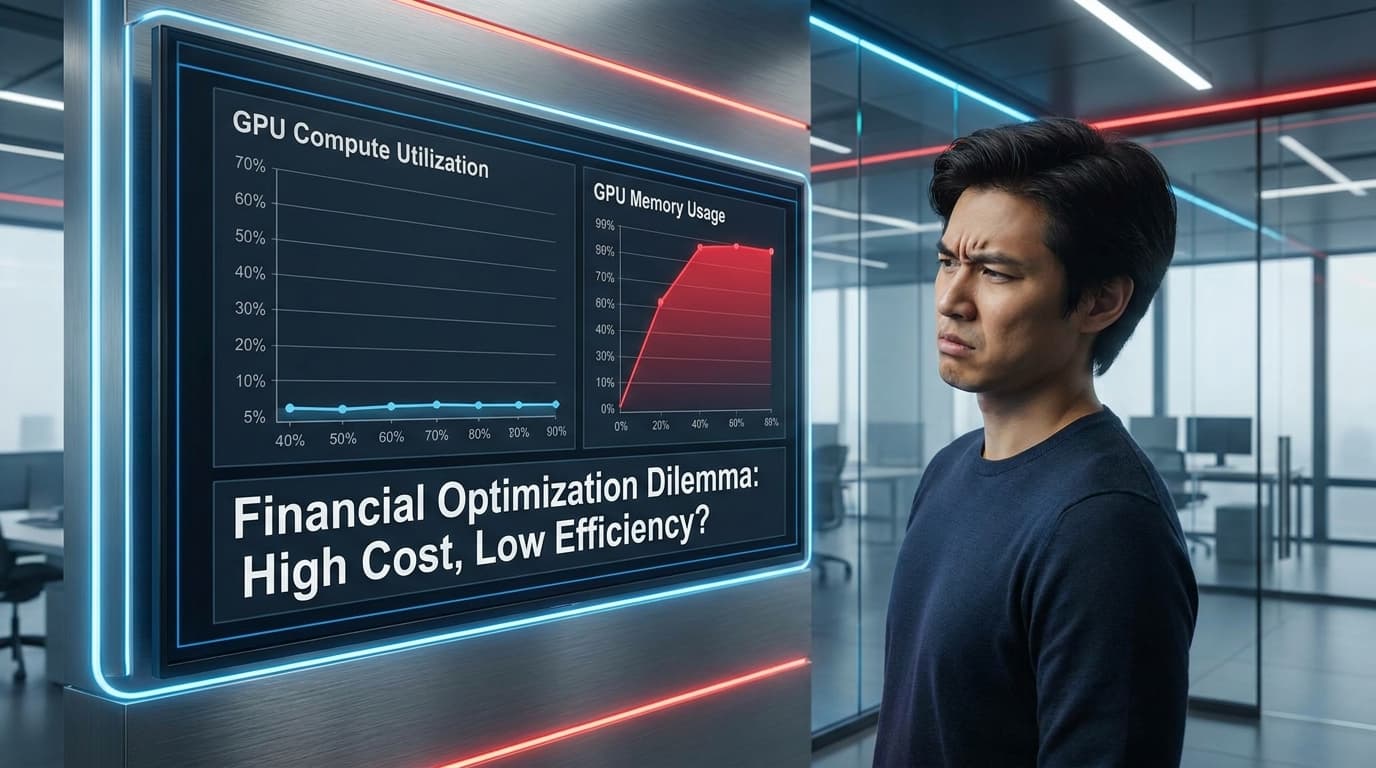
Standard cloud cost-saving practices, like downsizing underused GPUs, don't apply to secure AI training. The usual utilization metrics can be misleading for these specialized workloads, creating a blind spot for FinOps teams and leading to incorrect infrastructure decisions.
Traditional FinOps practices often recommend downsizing resources with low utilization. However, for certain AI workloads like secure machine learning, low GPU compute usage can be misleading. These tasks may be memory-bound, not compute-bound, making "underutilized" GPUs essential for performance and avoiding higher costs.
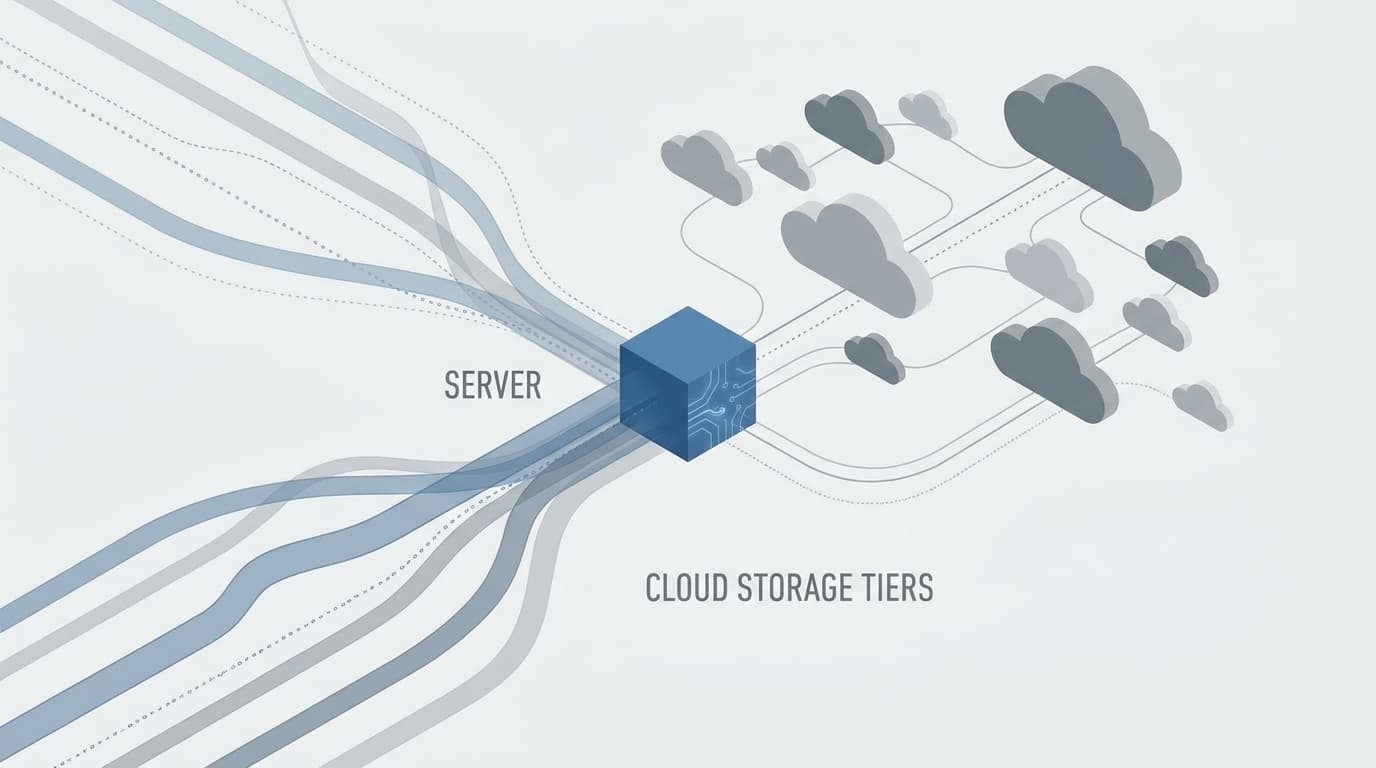
Apache Kafka is evolving into a cloud-native platform. This shift involves tiered storage for cost efficiency, better financial operations (FinOps) telemetry, and elastic scaling. Architects are also exploring a future where Kafka could operate without local disks, changing its core operational model.