Atomic Bomb Test Created New Material
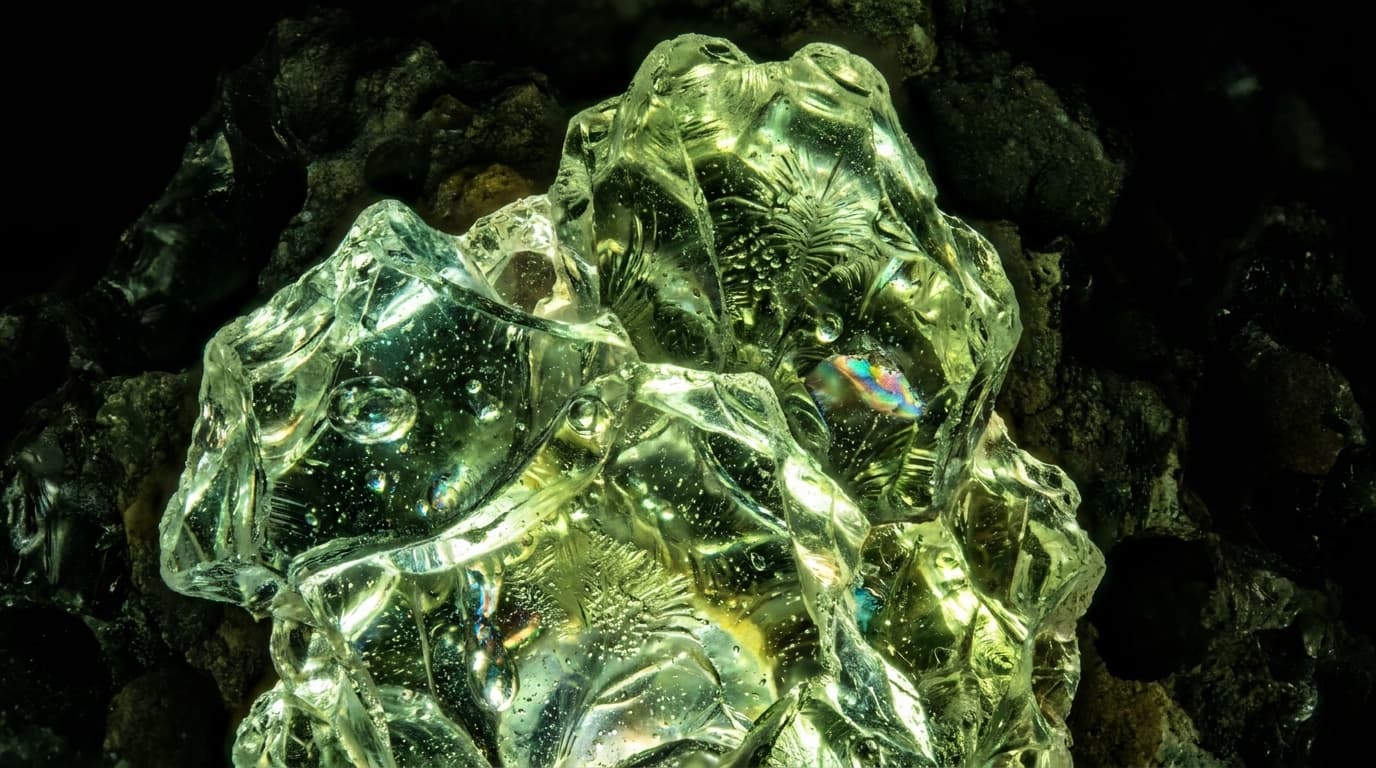
TL;DR: Researchers discovered a new material at the 1945 Trinity nuclear test site. Formed under the blast's intense heat and pressure, the substance has a structure never seen before in nature or a lab. The finding shows how extreme events can generate entirely novel materials with unique properties.
Key facts
- Category
- Tech Updates
- Impact
- Low
- Published
- Source
- Wired
Full summary
The first atomic bomb test in 1945 created a material never before seen, demonstrating how extreme conditions can forge entirely new substances.
A new material has been identified within samples from the Trinity site in New Mexico, the location of the first atomic bomb test in 1945. The detonation generated unprecedented heat and pressure, conditions far exceeding what is typically achievable in a laboratory. This extreme environment fused desert sand, the copper test tower, and other debris into a glassy substance called trinitite. Analysis of this trinitite has now revealed a material with a structure never before seen. This discovery confirms that cataclysmic events can act as a crucible for creating substances that do not form naturally on Earth and have not been synthesized by conventional means. The unique atomic arrangement of this material places it in a new category, distinct from all previously cataloged substances.
This finding is significant for materials science and physics, as it pushes the boundaries of our understanding of matter. It provides a tangible example of how novel materials with potentially unique properties can be forged under extreme conditions. This knowledge could inspire new manufacturing processes designed to replicate such high-pressure, high-temperature environments, potentially leading to the creation of next-generation materials for advanced applications in electronics, aerospace, and energy. The discovery also has important implications for planetary science. It suggests that similar unknown materials could be formed during high-energy events like meteorite impacts, offering new avenues for analyzing geological samples from Earth and other celestial bodies to understand their history.
Why it matters
This discovery shows that extreme events can create entirely new materials, opening up possibilities for materials science and helping us understand the effects of high-energy impacts on planets.
Business impact
The finding could inspire new manufacturing techniques for creating advanced materials with unique properties, potentially impacting industries like aerospace, electronics, and energy in the long term.
Tags
Related on Notifire
Related stories
Primary source: Wired