Researchers found a way to jailbreak vision-language AI models using tiny, invisible changes to images. This new attack method bypasses standard safety filters that only analyze text prompts, creating a significant new security risk.
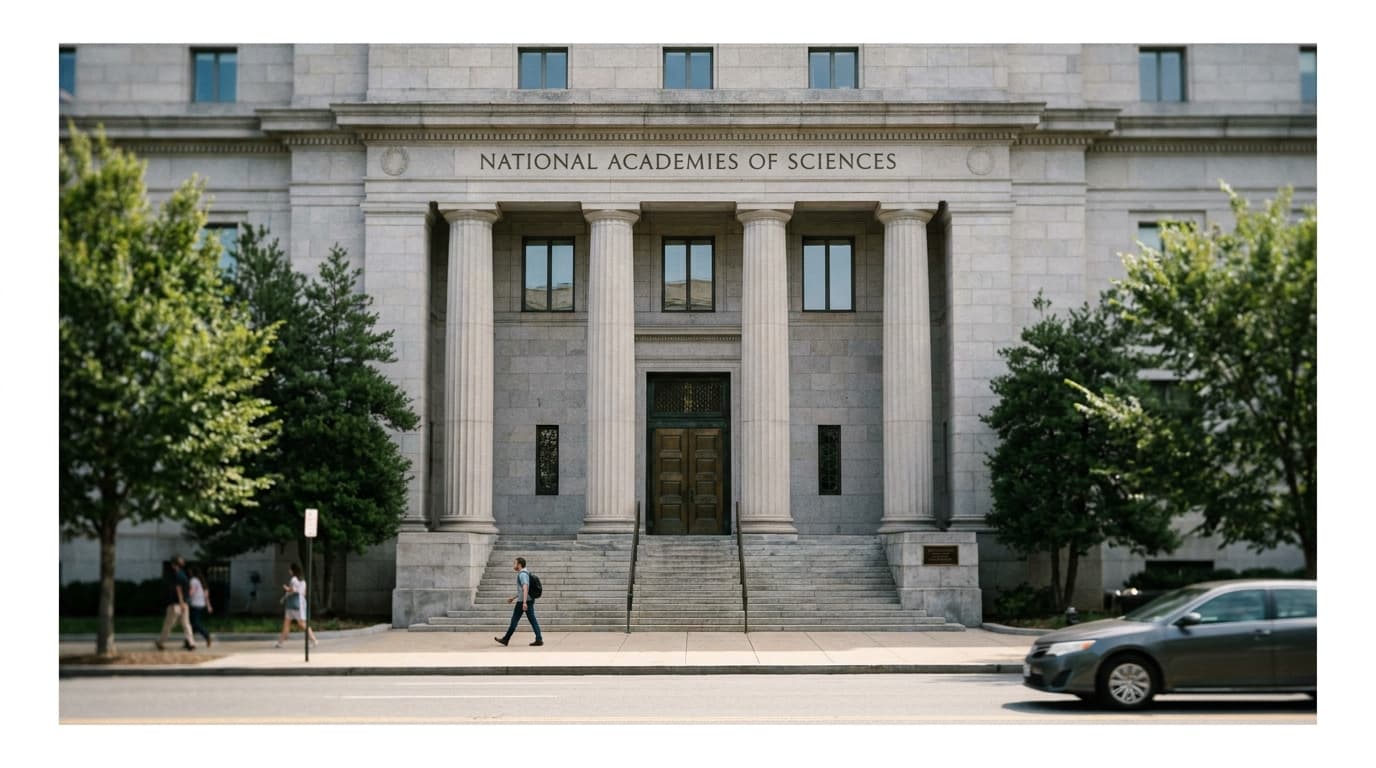
The National Academies of Science, a key advisor to the US government on tech and science, is facing internal political disputes. This could compromise the objective reports that influence policy and industry standards.
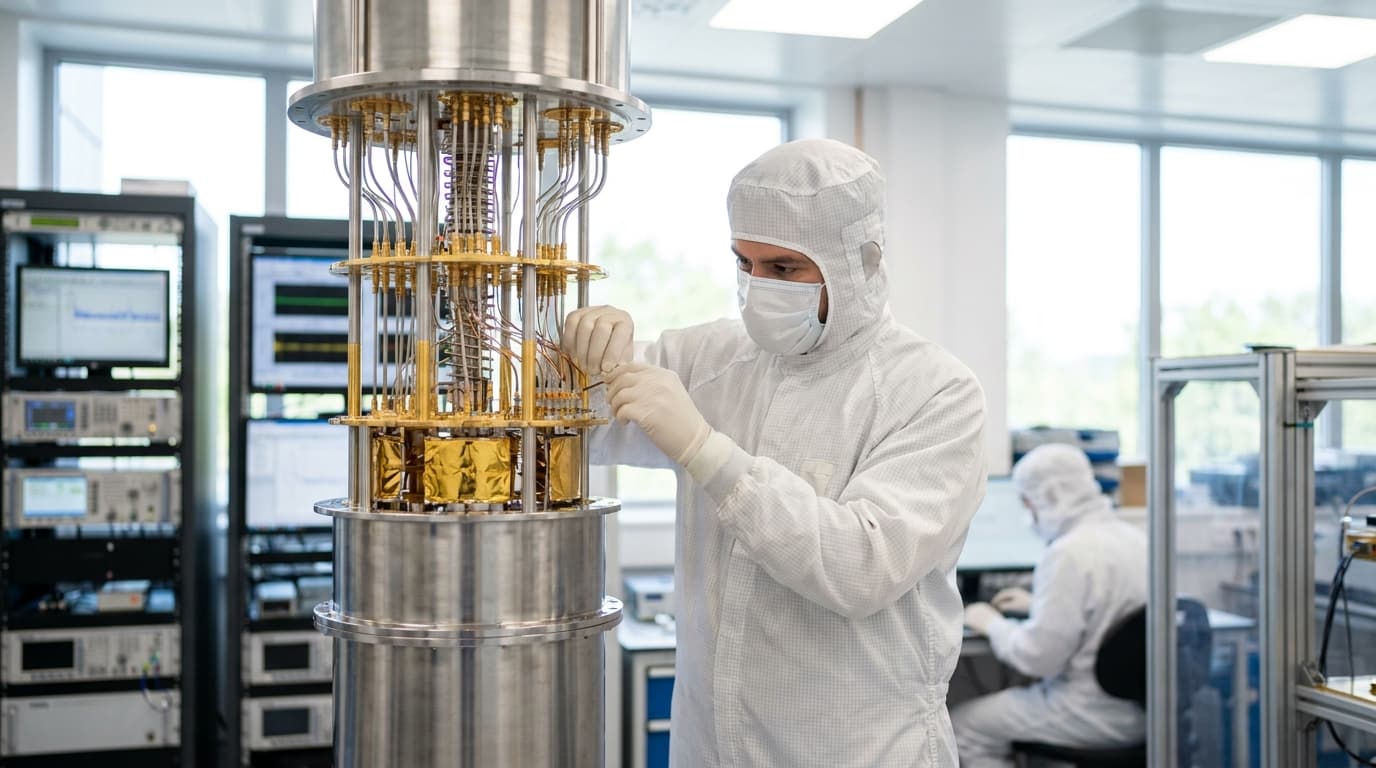
Microsoft is accelerating its quantum computing development, reaffirming its controversial claims about achieving a key milestone. Despite skepticism from some experts, the company is pushing ahead with its roadmap, signaling deep commitment to its unique approach for building a fault-tolerant quantum computer.
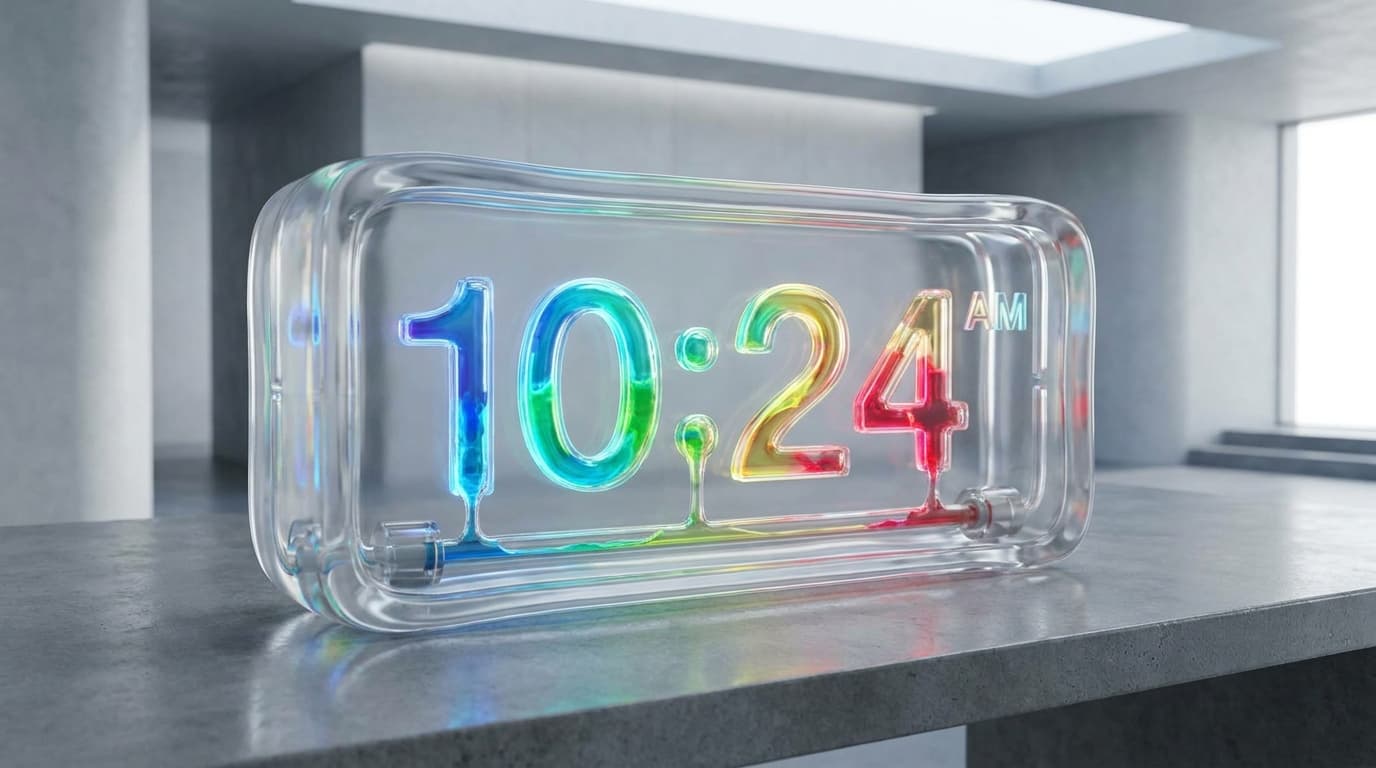
Researchers have developed a digital clock that operates using pressurized fluids instead of electronics. This field, known as fluidics, offers an alternative to traditional computation and could lead to new types of soft, flexible devices that don't rely on electricity or generate significant heat.
New research demonstrates a technique called "WiFi sensing," which uses standard Wi-Fi signals to identify people and monitor physical spaces. The method analyzes how signals are reflected and scattered by human bodies, effectively turning routers into surveillance devices without accessing cameras or other sensors.
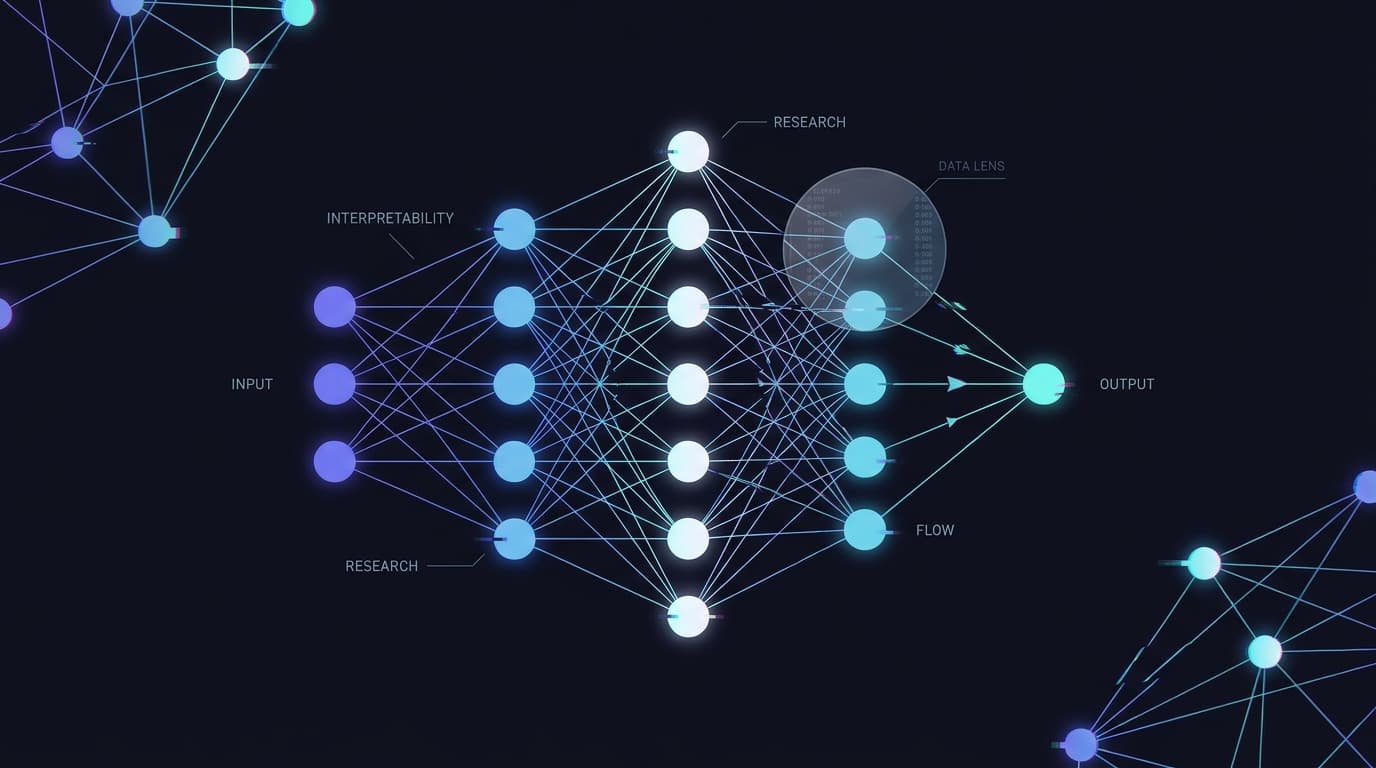
The Alignment Research Center (ARC) and AIcrowd have launched the White-Box Estimation Challenge. The competition invites developers to improve estimation algorithms for random MLPs. A warm-up round is now open, with a total prize pool of at least $100,000 available in later rounds.
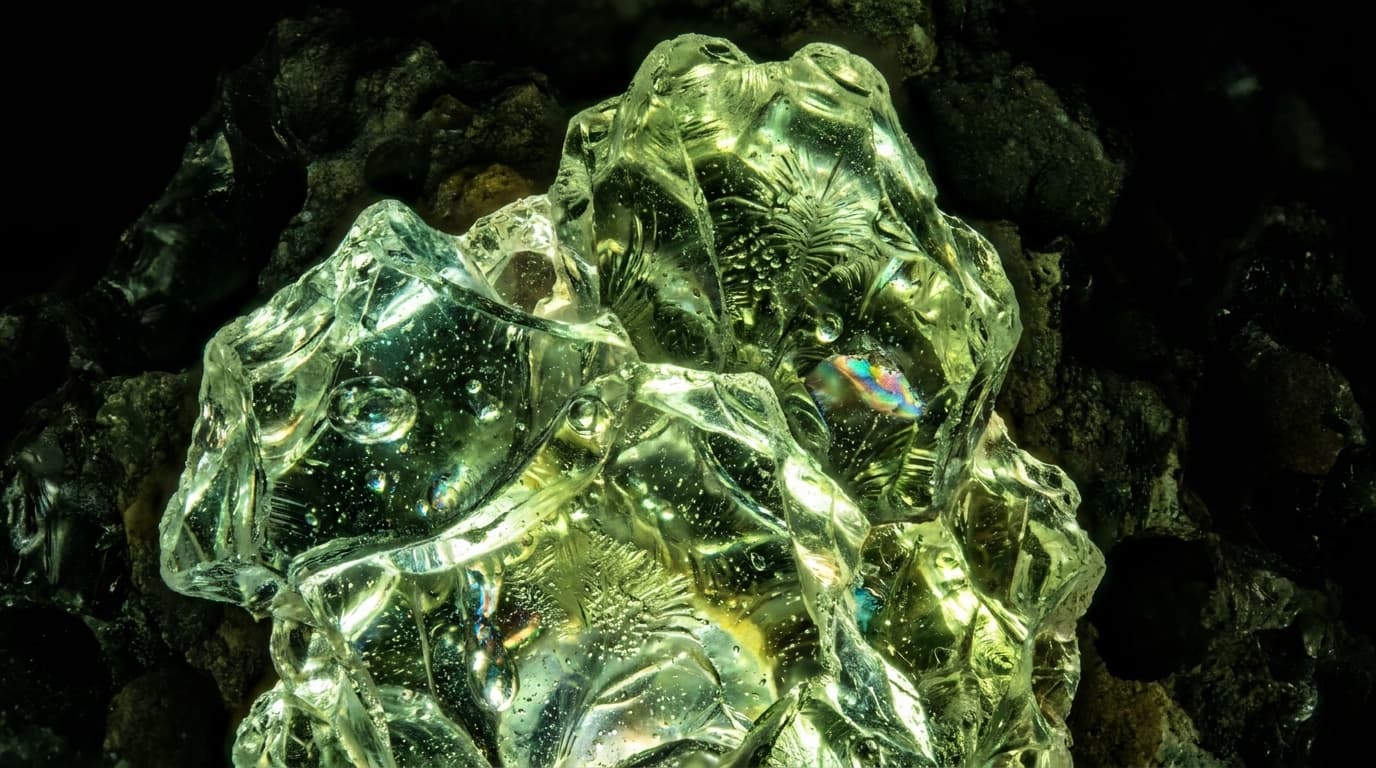
Researchers discovered a new material at the 1945 Trinity nuclear test site. Formed under the blast's intense heat and pressure, the substance has a structure never seen before in nature or a lab. The finding shows how extreme events can generate entirely novel materials with unique properties.