US Science Advisory Group Faces Political Pressure
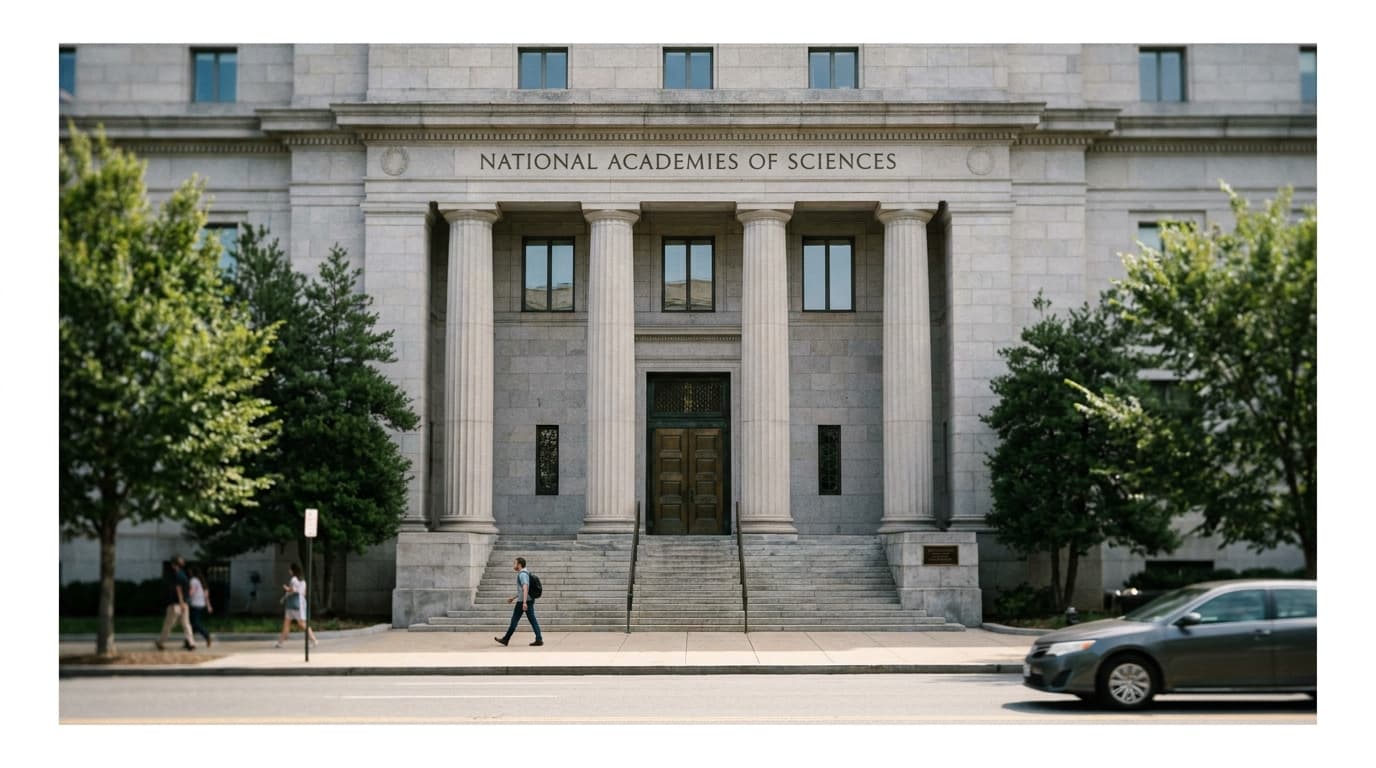
TL;DR: The National Academies of Science, a key advisor to the US government on tech and science, is facing internal political disputes. This could compromise the objective reports that influence policy and industry standards.
Key facts
- Category
- Tech Updates
- Impact
- Low
- Published
- Source
- Ars Technica
Full summary
The National Academies of Science, a key government advisor, faces political infighting that could threaten its scientific integrity and influence.
The National Academies of Science, one of the most prestigious scientific organizations in the United States, is reportedly experiencing significant internal political friction. Founded during the Civil War to provide independent, objective advice to the nation, the institution has long been a trusted source for comprehensive reports on crucial scientific and technological issues. By attracting top experts from across the country, the Academies have historically produced guidance that shapes public policy and informs government decisions. However, recent events suggest that this tradition of non-partisanship is under strain. The emergence of political divisions within the organization threatens its core mission to deliver unbiased, evidence-based analysis, a role it has maintained for over 150 years.
For technology leaders and businesses, the integrity of the National Academies is critical. Its reports often form the scientific bedrock for federal regulations, funding priorities, and strategic initiatives in areas like artificial intelligence, cybersecurity, climate technology, and biotechnology. If the organization's findings become influenced by political agendas rather than scientific consensus, the resulting policies could be flawed, creating an unpredictable and unstable regulatory environment. This uncertainty poses a direct risk to innovation, investment, and long-term planning. Companies rely on sound, science-backed policy to develop new products and services, and any erosion of trust in foundational institutions like the Academies could have far-reaching negative consequences for the entire tech sector.
The situation highlights a broader trend of scientific institutions becoming entangled in political conflicts. The outcome of this internal struggle could set a precedent for how other scientific bodies handle similar pressures. For now, the developments serve as a reminder for business leaders to critically assess the sources of scientific guidance that influence their industries. Watching how the National Academies navigates this challenge will be crucial for understanding the future landscape of science-informed policymaking in the United States. The ability of such a cornerstone institution to protect its independence is a key indicator of the health of the relationship between science, government, and industry.
Why it matters
The National Academies' reports influence government regulations and funding for technology. If its advice becomes politicized, it could lead to poorly informed policies on AI, cybersecurity, and more, creating uncertainty and risk for businesses.
Business impact
Politicization of the National Academies could lead to an unpredictable regulatory environment, creating risk for innovation and long-term planning in the tech sector. Flawed, politically-driven policies may stifle growth and misdirect funding.
Tags
Related on Notifire
Related stories
Primary source: Ars Technica