Boeing's Troubled Starliner May Finally Fly This Year
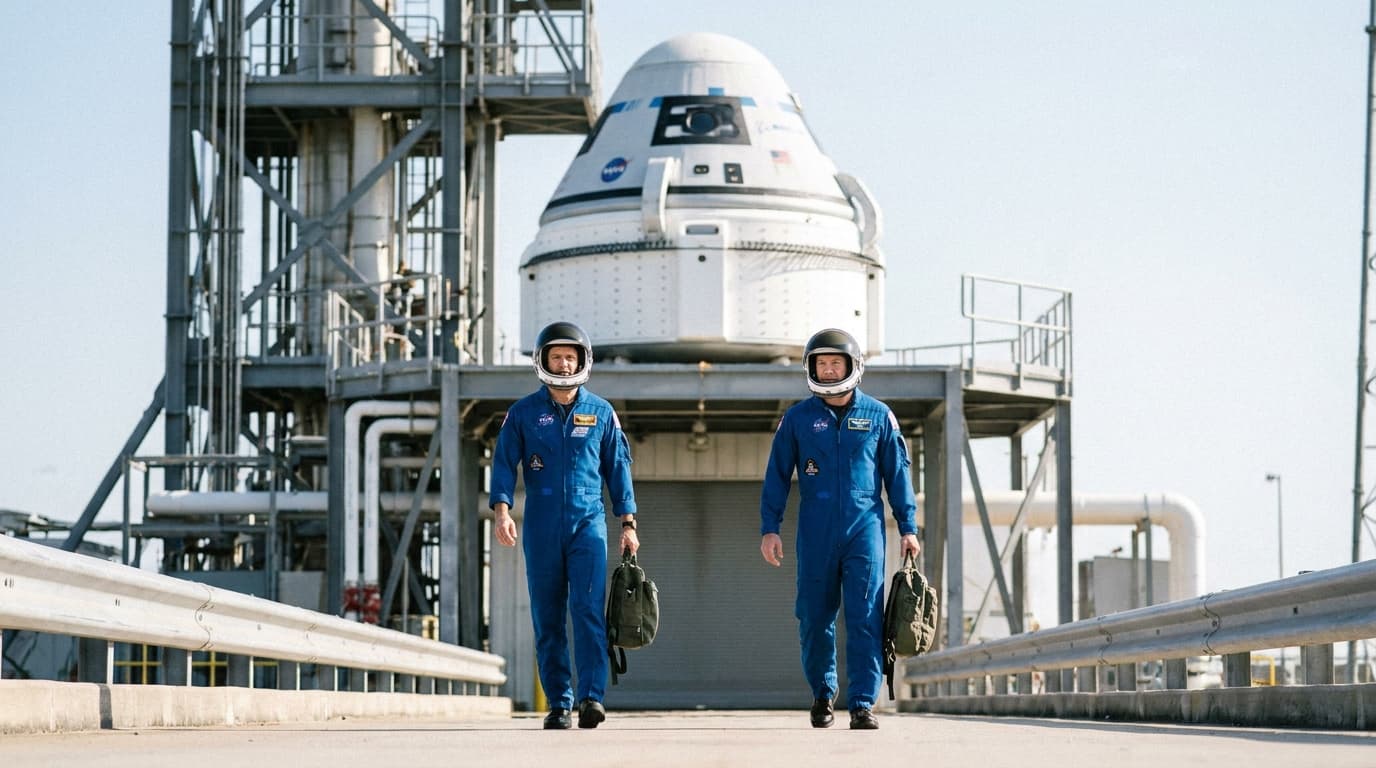
TL;DR: Boeing's Starliner spacecraft may finally be ready for a crewed launch this year. The potential flight comes after NASA formally classified a previous test as a "serious failure," triggering an intensive safety review and lengthy delays.
Key facts
- Category
- Tech Updates
- Impact
- Low
- Published
- Source
- Ars Technica
Full summary
Boeing's Starliner may finally launch this year, after a previous test flight was classified as a 'serious failure' by NASA.
Boeing’s Starliner spacecraft, long beset by delays and technical problems, may finally be on track to fly astronauts into space this year. According to reporting from Ars Technica, this potential milestone follows a period of intense scrutiny from NASA. The space agency had previously designated issues from an earlier test flight as a “Type A” mishap, a formal classification reserved for the most serious failures. This designation acknowledged significant risks and triggered a comprehensive investigation into the spacecraft's safety and engineering. The fact that a crewed flight is now being considered indicates that Boeing and NASA believe they have addressed the fundamental problems that have kept the capsule grounded, marking a potential turning point for the troubled but critical program.
The “Type A” mishap classification is a significant event within NASA’s operational framework. It is the most severe category, typically involving loss of life, a vehicle, or major property damage exceeding $2.5 million. In Starliner's case, while no vehicle was lost, the issues discovered were deemed serious enough to pose a substantial risk to crew safety. This classification forces a rigorous, top-to-bottom review process that goes far beyond simple bug fixes. Engineers must perform a root cause analysis to understand not just what failed, but why the failure wasn't caught earlier. This involves re-examining everything from flammable P-213 tape used to wrap wiring harnesses to parachute system components and software logic, all to ensure every potential risk is fully understood and mitigated before astronauts are allowed on board.
For the US space program, a successful Starliner flight is a matter of strategic importance. Since the start of the Commercial Crew Program, NASA's goal has been to have two independent, American-made systems capable of ferrying astronauts to the International Space Station (ISS). Currently, only SpaceX's Dragon capsule is operational. While highly successful, this reliance on a single provider creates a potential single point of failure. If Dragon were grounded for any reason, NASA would lose its independent access to the ISS. Starliner’s success would finally fulfill the program's original vision of redundancy, ensuring continuous access to the orbiting laboratory and fostering a more competitive and resilient commercial space ecosystem. For engineers and technical leaders, this saga serves as a powerful case study in the unforgiving nature of safety-critical systems development.
The business implications for Boeing are immense. The Starliner program operates on a fixed-price contract with NASA, meaning Boeing is responsible for covering all cost overruns. The years of delays and extensive re-engineering efforts have already cost the company nearly a billion dollars. A successful crewed test flight is the final hurdle before the spacecraft can be certified for regular operational missions to the ISS, finally allowing Boeing to start earning revenue from the contract and begin to recoup its massive investment. More broadly, a successful launch would help restore confidence in Boeing's aerospace and engineering divisions, which have faced scrutiny across both their space and aviation sectors. The practical takeaway for any business is the strategic value of redundancy in critical supply chains and the immense, often underestimated cost of rectifying foundational engineering flaws in complex projects.
Why it matters
A successful Starliner flight provides NASA with a crucial second option for sending astronauts to the ISS, reducing reliance on SpaceX. It's a key test of redundancy in America's human spaceflight capability.
Business impact
For Boeing, a successful launch is vital to salvage its fixed-price contract, restore its reputation in the space sector, and finally begin commercial operations after years of costly delays and technical setbacks.
Tags
Related on Notifire
Related stories
Primary source: Ars Technica