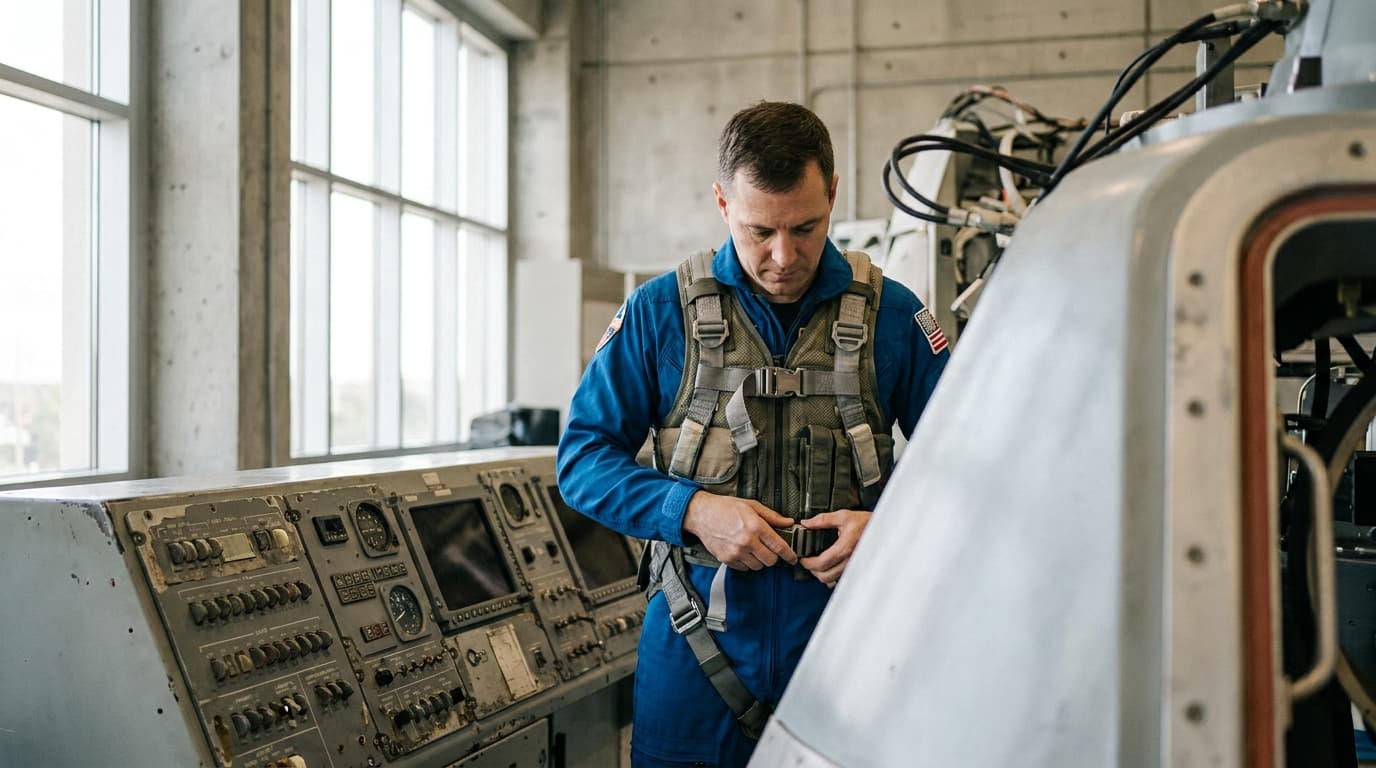
A new radiation-blocking vest successfully passed a test flight around the Moon. This breakthrough is a crucial step in protecting astronauts from dangerous solar radiation on future missions to Mars and beyond, making deep space travel safer.
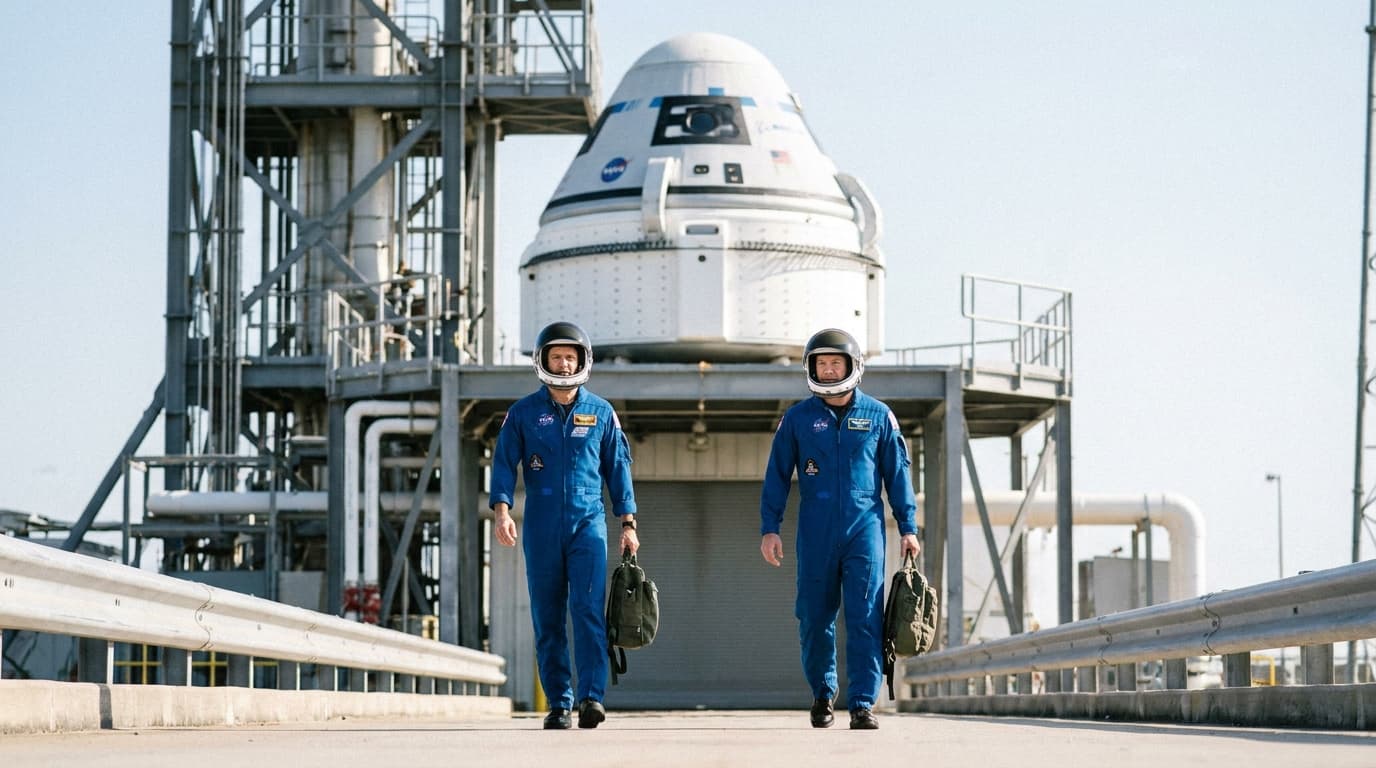
Boeing's Starliner spacecraft may finally be ready for a crewed launch this year. The potential flight comes after NASA formally classified a previous test as a "serious failure," triggering an intensive safety review and lengthy delays.
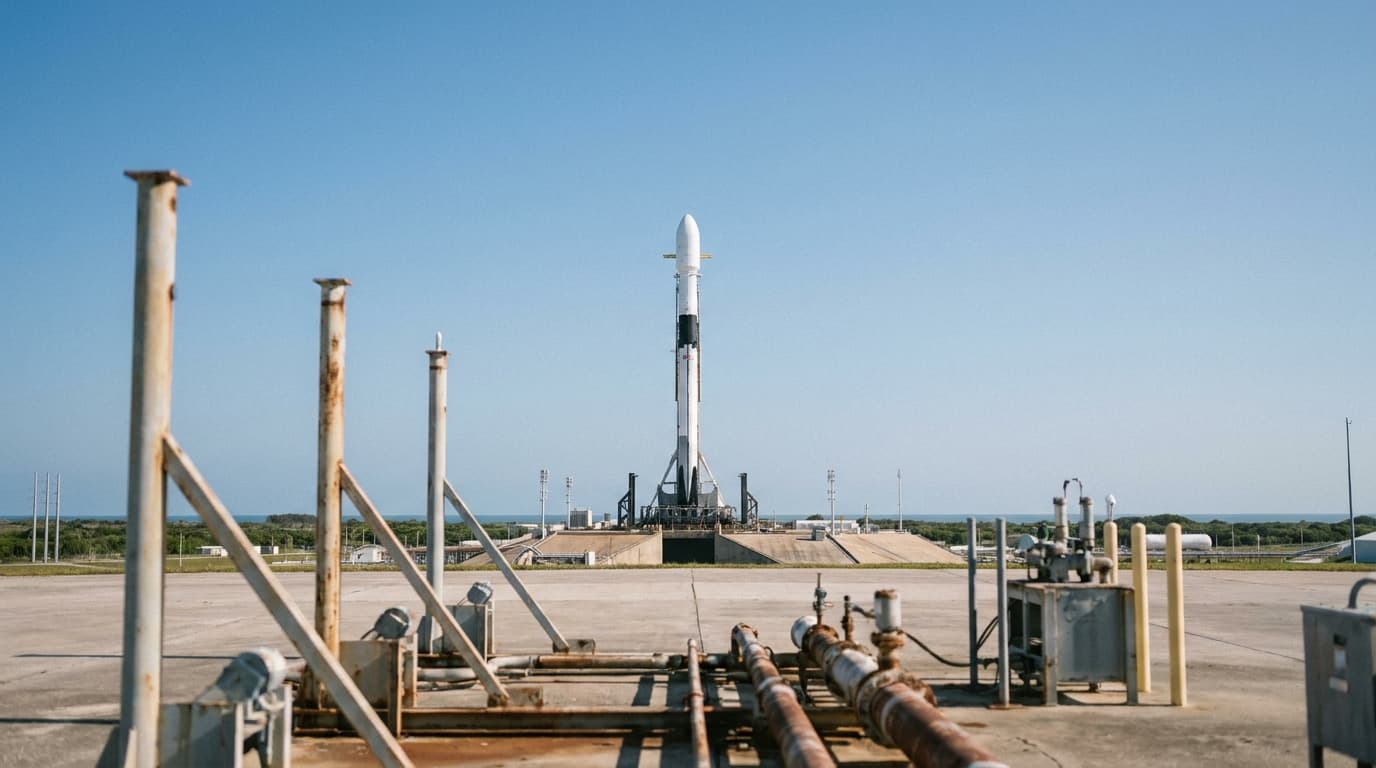
A new report finds NASA's Kennedy Space Center infrastructure is too old to support the growing number of launches from SpaceX and Blue Origin. This bottleneck could delay critical missions and impact the entire space-tech industry.
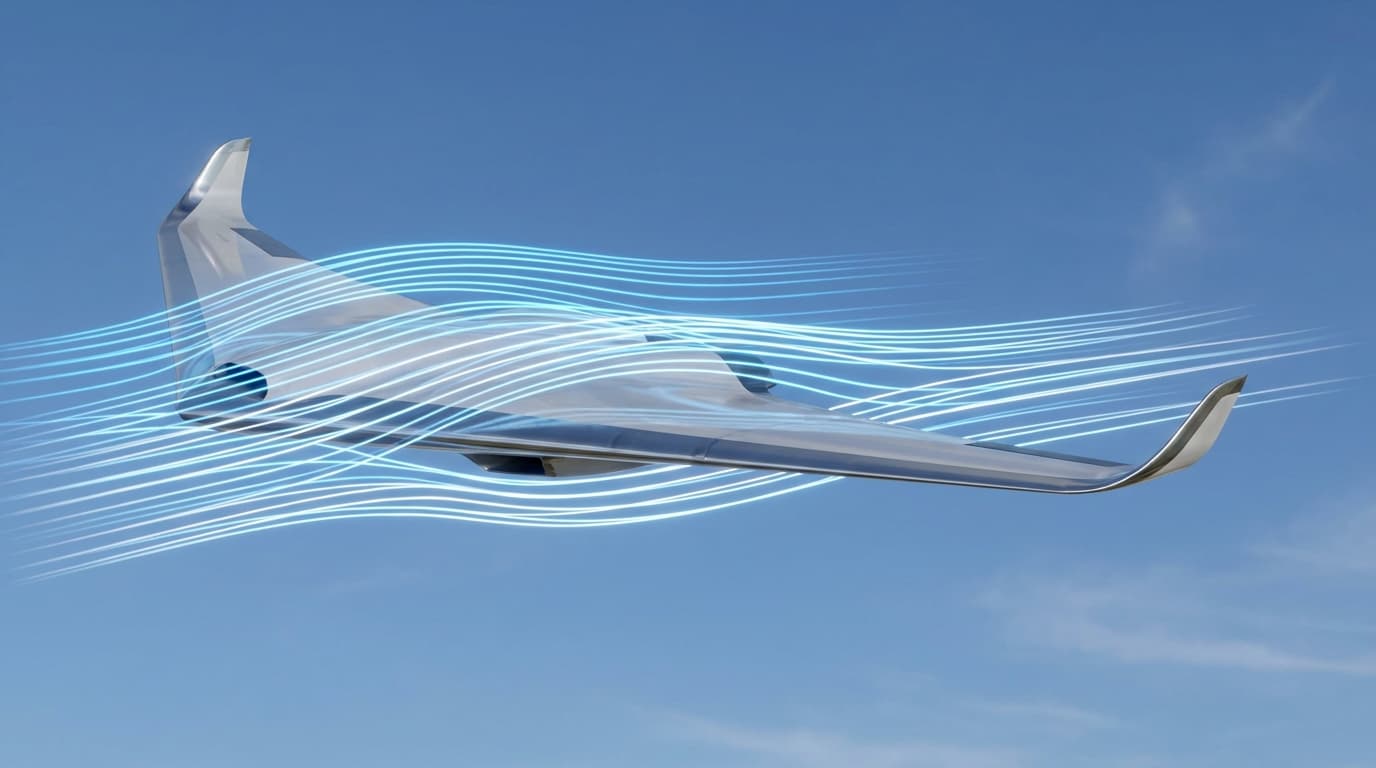
NASA researchers have overturned a century-old principle of aeronautical engineering. Their new wing design, featuring a bell-shaped lift distribution, is over 11% more efficient than the long-held elliptical ideal. This breakthrough could lead to more efficient aircraft by reducing drag and eliminating vertical tails.
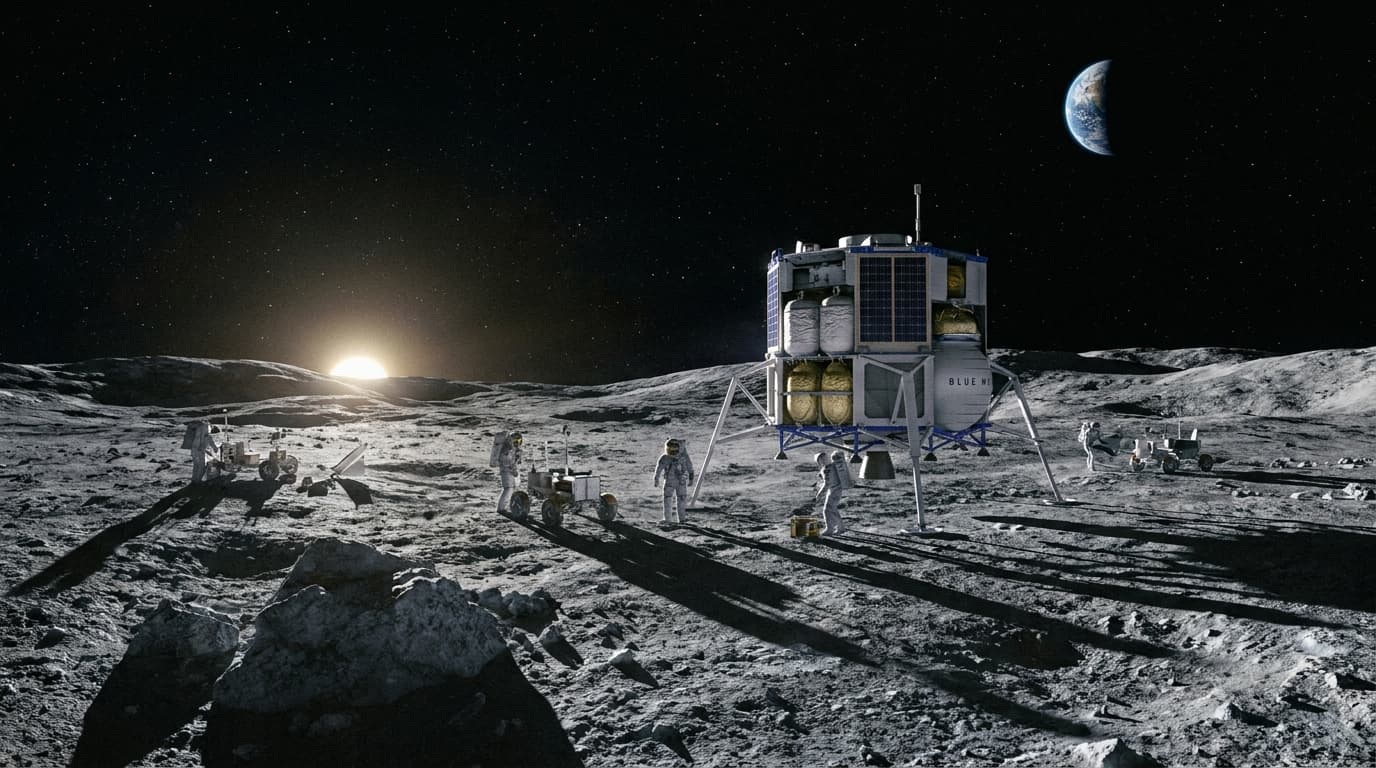
NASA has announced several new missions to the Moon's South Pole, which will lay the groundwork for a permanent lunar base. The first of these, Moon Base I, is scheduled for fall 2026 and will utilize Blue Origin's Blue Moon lander, paving the way for a 2028 crewed landing.
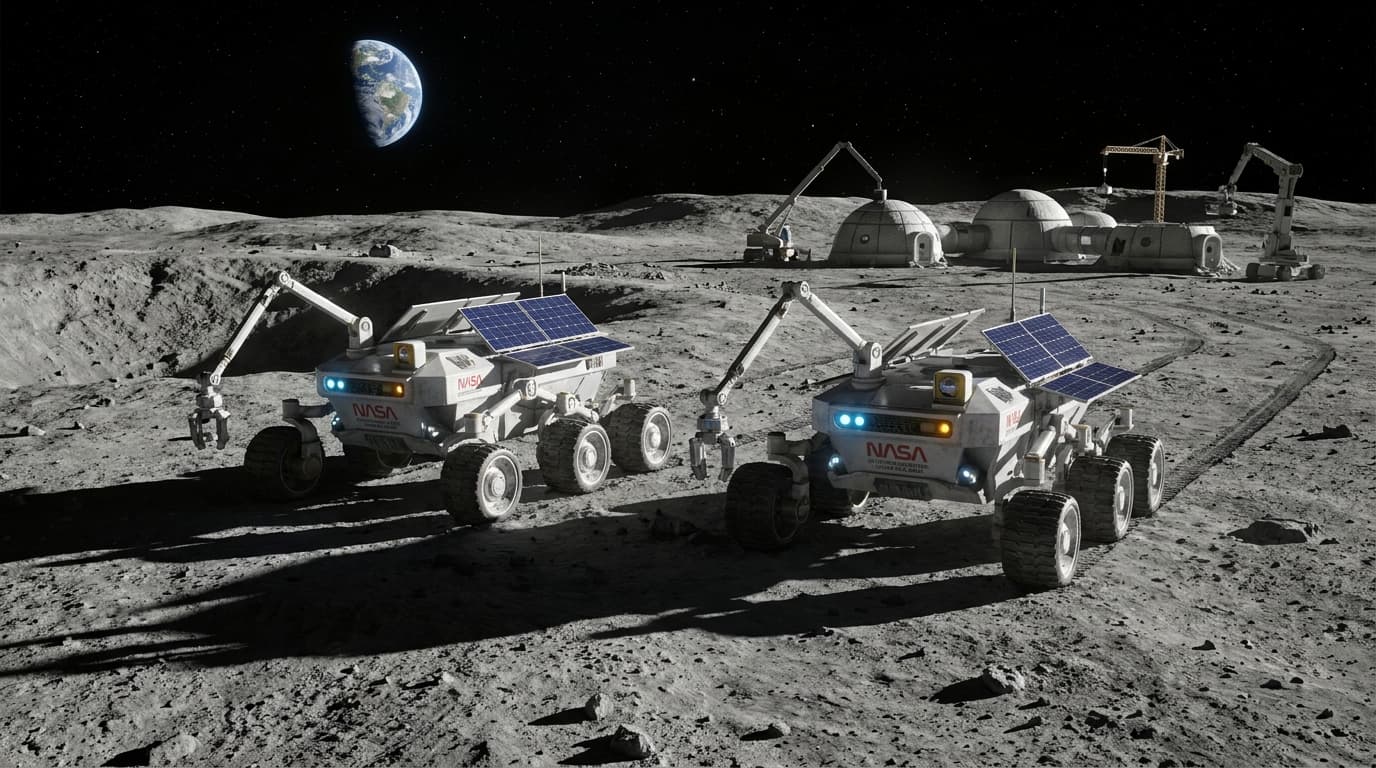
NASA has awarded contracts for the first components of a planned lunar base, a key step in its Artemis program. The initial awards cover two autonomous rovers designed to provide mobility for astronauts on the Moon's surface, signaling continued momentum for the ambitious long-term settlement initiative.
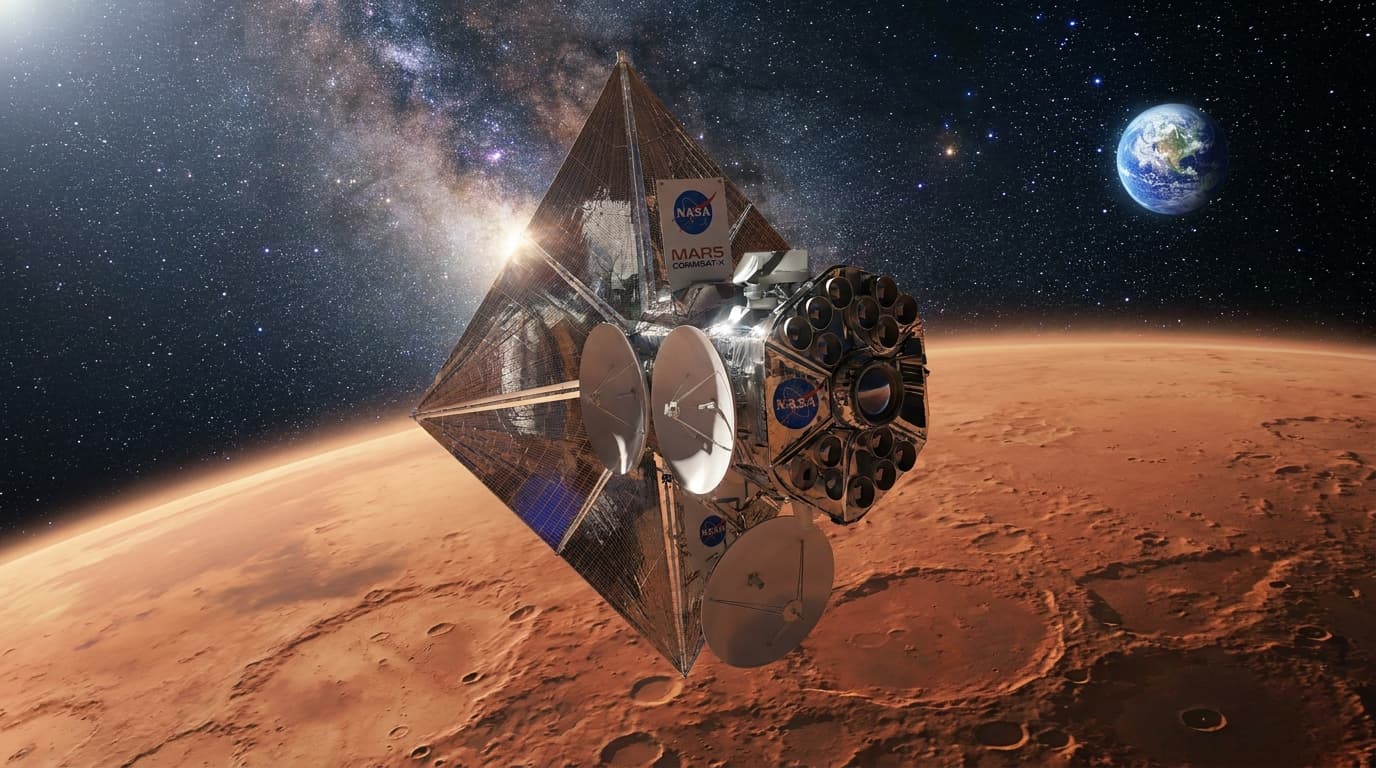
NASA has initiated a contract solicitation for a new Mars-orbiting spacecraft. The $700 million project, funded by Congress, aims to build a communications relay between Mars and Earth. The procurement is expected to be highly competitive and could influence the future of the Mars Sample Return mission.