NASA Launchpads Are Too Old for Modern Rockets
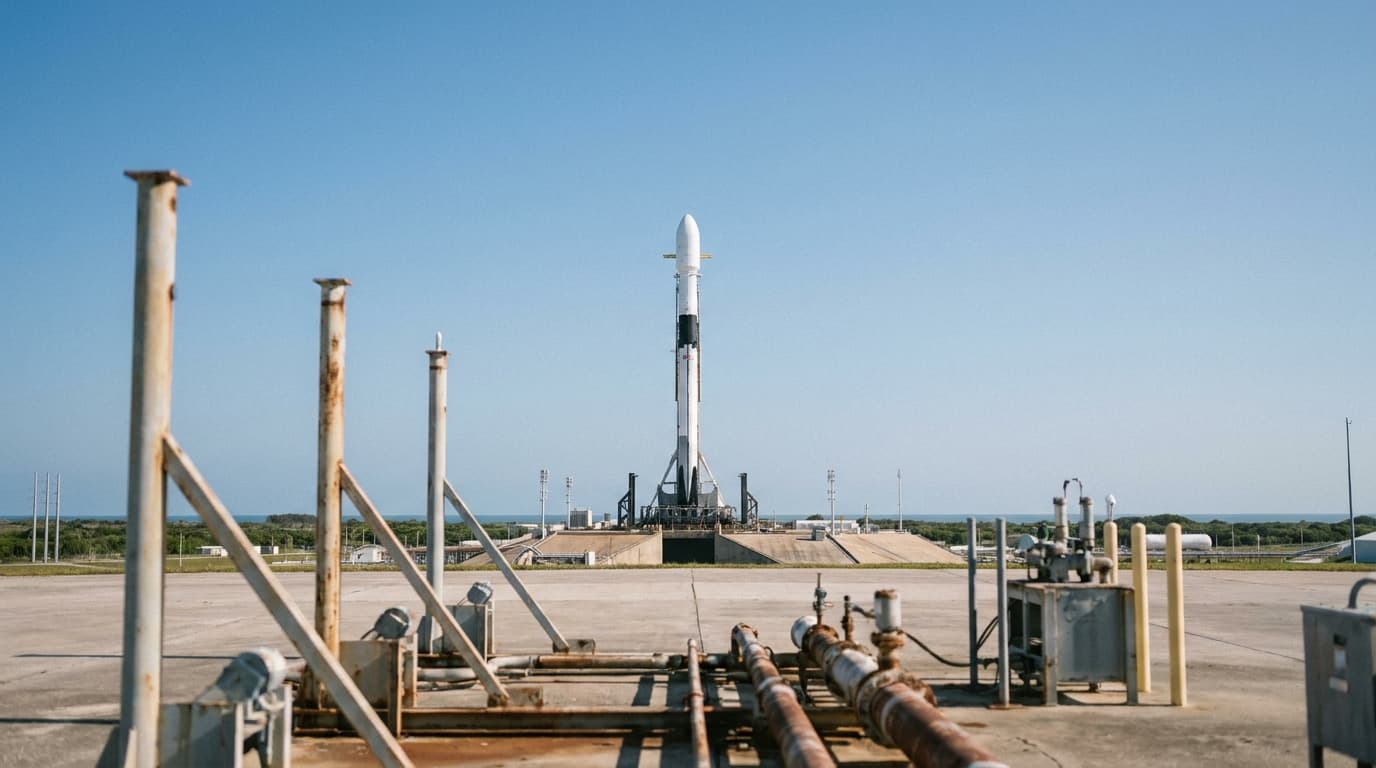
TL;DR: A new report finds NASA's Kennedy Space Center infrastructure is too old to support the growing number of launches from SpaceX and Blue Origin. This bottleneck could delay critical missions and impact the entire space-tech industry.
Key facts
- Category
- Tech Updates
- Impact
- High
- Published
- Source
- Ars Technica
Full summary
NASA's aging launch infrastructure at Kennedy Space Center is struggling to keep up with demand from private companies like SpaceX and Blue Origin.
A new report warns that the infrastructure at NASA's Kennedy Space Center is aging and cannot keep up with the demands of the modern space industry. The historic launch site, essential for the US space program, is now a critical hub for private companies like SpaceX and Blue Origin. The sheer volume of commercial launches is straining facilities that were not designed for such frequent use. This increased activity is pushing the spaceport's capabilities to their limit, creating a significant bottleneck. The report highlights that this infrastructure is vital not just for NASA's own complex missions, but also for a growing number of government and commercial partners who rely on access to space. The core issue is that the ground systems, launchpads, and support facilities are becoming overwhelmed by the pace and scale of today's private spaceflight operations.
This infrastructure problem poses a direct threat to the rapidly growing space-tech sector. For founders and CTOs in this industry, the bottleneck at Kennedy Space Center could mean significant delays in launch schedules. A delayed satellite deployment can disrupt business models, postpone revenue, and affect services that rely on space-based assets, from communications to Earth observation. The unreliability of launch availability also introduces major risks for companies planning constellations or other ambitious projects. This uncertainty can make it harder to secure funding and meet development milestones. Essentially, a key piece of national infrastructure is becoming a potential roadblock for the very innovation it's meant to support, affecting everyone from rocket builders to the software companies that use satellite data.
The situation is expected to become more critical as companies prepare to launch their next generation of super heavy-lift rockets. SpaceX's Starship and Blue Origin's New Glenn will place unprecedented demands on launch facilities, requiring more robust and resilient ground support systems. Without significant investment and modernization, Kennedy Space Center risks slowing down the progress of these ambitious programs. The report serves as a call to action for NASA and policymakers to prioritize upgrading this essential national asset. The future of American leadership in space, both public and private, depends on ensuring that the gateways to orbit can handle the traffic.
Why it matters
The primary US launch site is becoming a bottleneck, which could delay satellite deployments and slow down the entire commercial space industry, affecting services from comms to Earth observation.
Business impact
Launch schedule uncertainty creates significant risk for space-tech companies, potentially disrupting roadmaps, delaying revenue, and making it harder to secure investment for projects reliant on reliable access to orbit.
Tags
Related on Notifire
Related stories
Primary source: Ars Technica