GM's Next EVs Get a Centralized Brain
TL;DR: General Motors is developing a new EV platform with a centralized computer to compete with Tesla and Chinese rivals. The new architecture, debuting in 2028, aims to simplify vehicle systems and enable advanced AI features.
Key facts
- Category
- Tech Updates
- Impact
- Medium
- Published
- Source
- TechCrunch
Full summary
GM is building a new EV platform with a central computer, aiming to compete with Tesla and Chinese automakers starting in 2028.
General Motors has announced a significant strategic shift for its future electric vehicles, aiming to compete more directly with software-focused rivals like Tesla, Rivian, and a growing number of Chinese automakers. According to TechCrunch, GM is developing its fourth-generation EV platform around a new centralized computer and electrical architecture. This fundamental redesign will consolidate the vehicle's processing power into a central brain, a departure from the traditional distributed model. The new system is scheduled to make its debut in the 2028 Cadillac Escalade IQ, signaling the company's long-term commitment to transforming its vehicles into highly integrated, software-driven machines. This move is not just an upgrade but a complete overhaul of the vehicle's digital nervous system, intended to enable more advanced AI capabilities, over-the-air updates, and a more streamlined user experience.
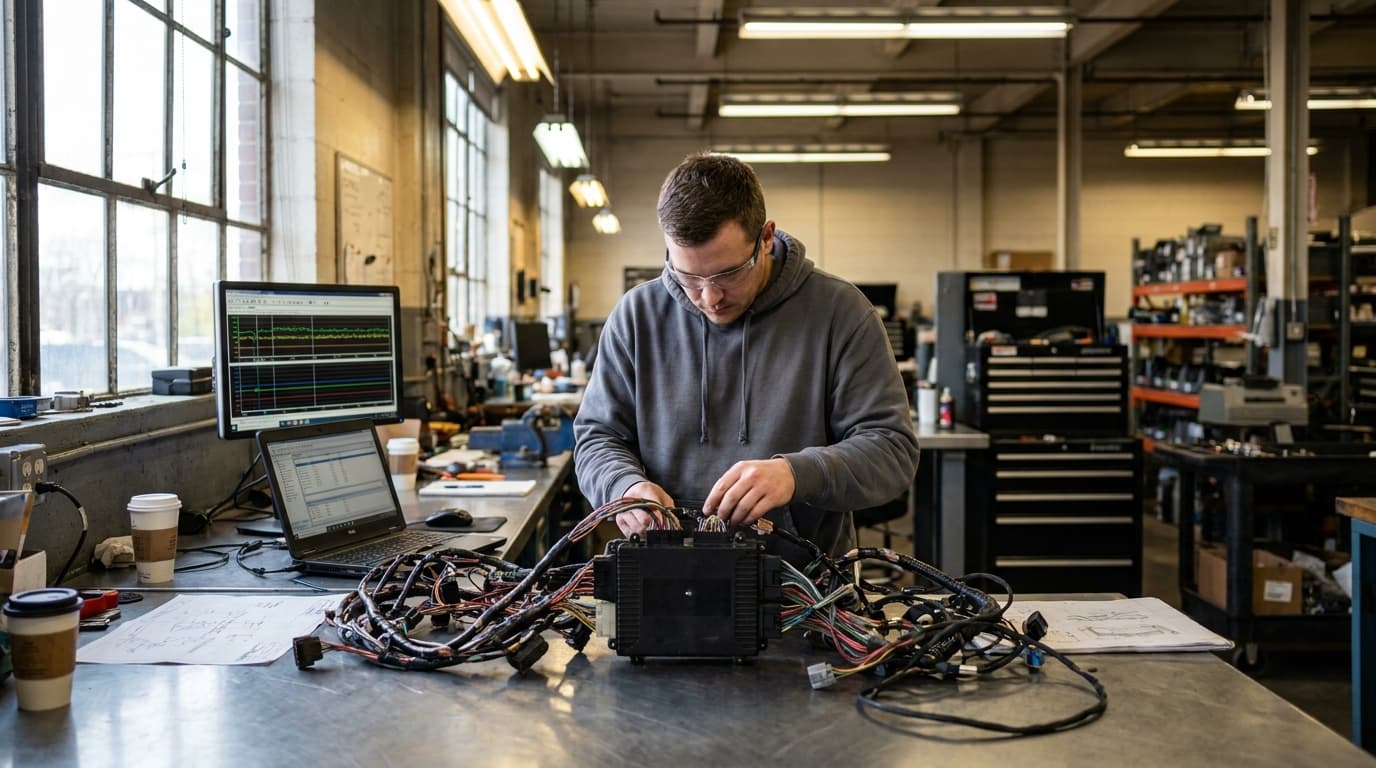
The core technical innovation is the move away from a distributed network of dozens, or even hundreds, of individual Electronic Control Units (ECUs). For decades, cars have added features by adding more single-purpose ECUs, each controlling a specific function like the windows, engine, or airbags. This created a complex, heavy, and expensive web of wiring and software that was difficult to update. GM's new approach, often called a zonal architecture, replaces this complexity with a few powerful central computers. These central hubs manage broad domains of the vehicle, such as infotainment, vehicle dynamics, and advanced driver-assistance systems (ADAS). This consolidation dramatically simplifies the physical wiring, reduces weight, and lowers manufacturing complexity. More importantly, it creates a more powerful and flexible software environment where developers can build and deploy complex applications that span multiple vehicle systems, much like developing an app for a smartphone.
This architectural shift places GM firmly within a broader industry trend toward the "software-defined vehicle." Tesla pioneered the centralized compute model, demonstrating its advantages in enabling rapid, fleet-wide over-the-air (OTA) software updates that can add new features or improve performance long after a car has been sold. Competitors, particularly aggressive Chinese EV startups like Nio and XPeng, have also built their platforms around this software-first philosophy from the ground up. For legacy automakers like GM, this transition is far more challenging, as it requires unwinding decades of established manufacturing processes, supply chain relationships, and engineering culture. By committing to this change, GM is acknowledging that the future of automotive competition will be fought not just on horsepower and battery range, but on the sophistication and responsiveness of a vehicle's software and its ability to deliver new digital experiences to the driver.
For technology leaders and engineering teams, GM's announcement has clear implications. The transition to centralized architectures creates a massive demand for software engineers with expertise in embedded systems, real-time operating systems, cybersecurity, and large-scale system integration. The car is effectively becoming a rolling data center, and securing this single, powerful computer from cyberattacks is a far different and more critical challenge than securing dozens of isolated ECUs. This move also reshapes the automotive supply chain, diminishing the role of traditional Tier 1 suppliers of individual ECUs and elevating the importance of semiconductor giants like Nvidia, Qualcomm, and Intel, who provide the high-performance chips that power these new vehicle brains. The key factor to watch will be GM's execution. Successfully launching this complex new architecture in the 2028 Escalade IQ without significant delays or software glitches will be a critical test of the company's ability to reinvent itself for the software-first era of transportation.
Why it matters
For developers and engineers, GM's shift to a centralized compute architecture signals a major industry trend. It moves vehicles closer to a 'data center on wheels,' creating new opportunities for software development and AI-driven features, but also introducing new system integration and security challenges.
Business impact
This move positions GM to compete more effectively on software, a key battleground against Tesla and Chinese EV makers. Centralizing compute can reduce hardware complexity and cost over time, but it represents a massive R&D investment and a fundamental shift in supply chain and manufacturing processes.
Tags
Related on Notifire
Related stories
Primary source: TechCrunch