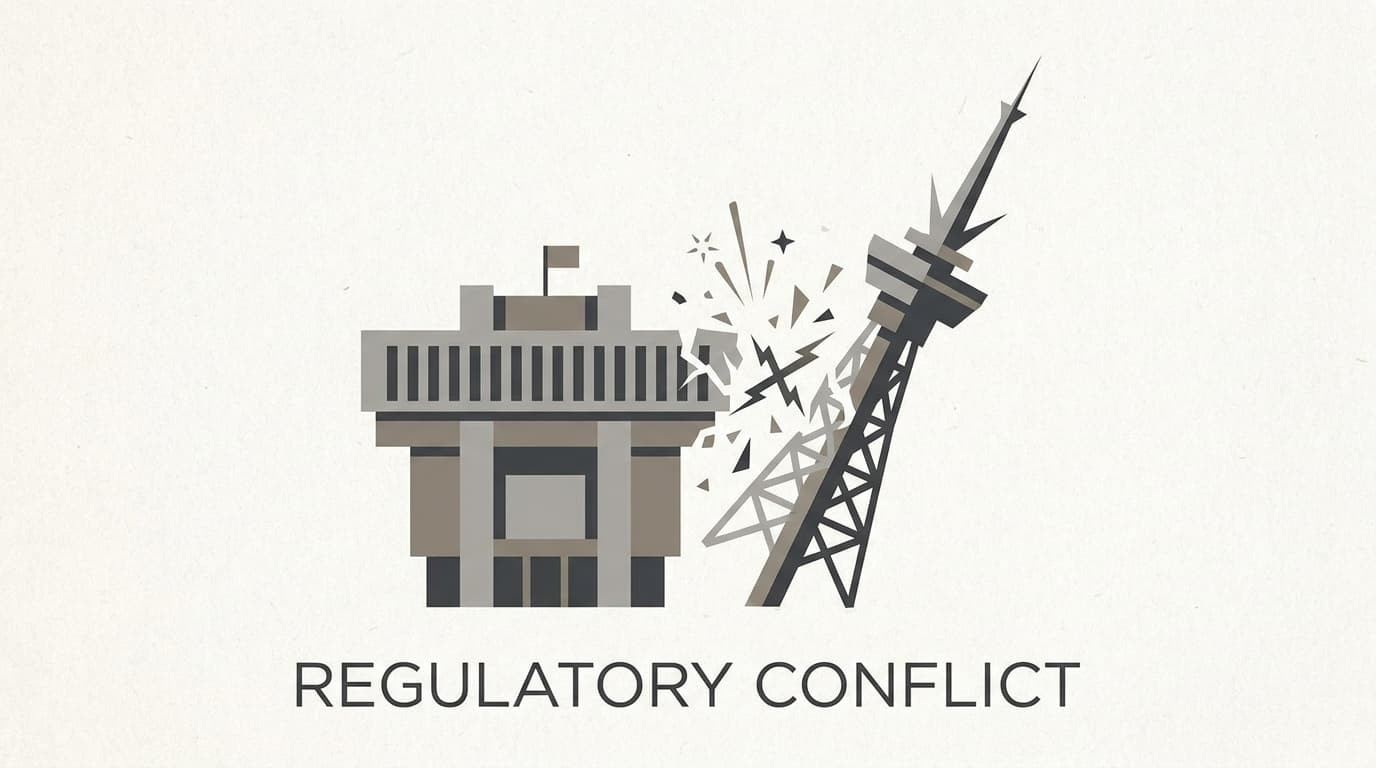
FCC Threatens Broadcaster License Renewals
TL;DR: The FCC is facing accusations of suppressing speech after threatening to revoke broadcast licenses. ABC's eight TV stations filed for early license renewals under protest, calling the move an unprecedented attack on a single company by the federal agency, with broader implications for media.
Key facts
- Category
- Tech Updates
- Impact
- High
- Published
- Source
- Ars Technica
Full summary
ABC's TV stations have accused the FCC of an 'unprecedented attack' and attempting to suppress speech amid threats to their broadcast licenses.
ABC's eight company-owned broadcast television stations have filed for early license renewals under protest. The move follows repeated threats from FCC Chairman Brendan Carr to revoke broadcast licenses from certain media outlets. In its filing, ABC accused the Federal Communications Commission of attempting to suppress speech. The company described the agency's actions as "an unprecedented attack on a single company’s entire portfolio of broadcast licenses." This direct confrontation signals a significant legal and regulatory battle between a major media corporation and a powerful federal agency.
This situation is significant for leaders in the technology and media industries as it demonstrates a federal agency using its regulatory power in a way that critics argue targets specific viewpoints. The conflict raises critical questions about freedom of speech and the independence of the press. For founders and executives, it serves as a case study on the potential for regulatory and political risks to impact core business operations, especially for companies in highly regulated sectors. The outcome could set a precedent for how the government interacts with media and technology companies.
Why it matters
This case highlights the growing intersection of politics, regulation, and technology. It serves as a critical reminder for tech and media leaders that regulatory actions can be influenced by political agendas, posing a direct risk to business operations and raising fundamental questions about corporate governance and free speech.
Business impact
The FCC's actions could set a precedent for using regulatory power to pressure media and technology companies. This increases compliance risks and may force companies to develop strategies for navigating political pressures, potentially impacting content policies and long-term investment decisions in regulated markets.
Tags
Primary source: Ars Technica