Salesforce Is Building a Cloud for the Frontline
TL;DR: Salesforce is buying defense-tech startup Rune Technologies. The deal will give Salesforce's government platform, Missionforce, the ability to work offline in remote military environments, improving logistics for deployed units.
Key facts
- Category
- Tech Updates
- Impact
- High
- Published
- Source
- CIO.com
Full summary
Salesforce is acquiring a defense-tech startup to bring its cloud platform offline, aiming to support military logistics on the front lines.
Salesforce is set to acquire Rune Technologies, a U.S.-based defense technology startup, according to reporting from CIO.com. The acquisition aims to integrate Rune's specialized platform into Missionforce, Salesforce's dedicated cloud offering for national security, defense, and government agencies. Rune Technologies developed a platform called TyrOS, designed to operate in environments with limited or no internet connectivity. By bringing this technology into its ecosystem, Salesforce plans to give Missionforce powerful offline capabilities. The immediate goal is to enhance military logistics, allowing deployed units to manage supply chains and forecast resource needs directly from the field, even when completely disconnected from a central network. This move marks a significant step for Salesforce, pushing its commercial cloud software deeper into the highly specialized and demanding world of defense operations.
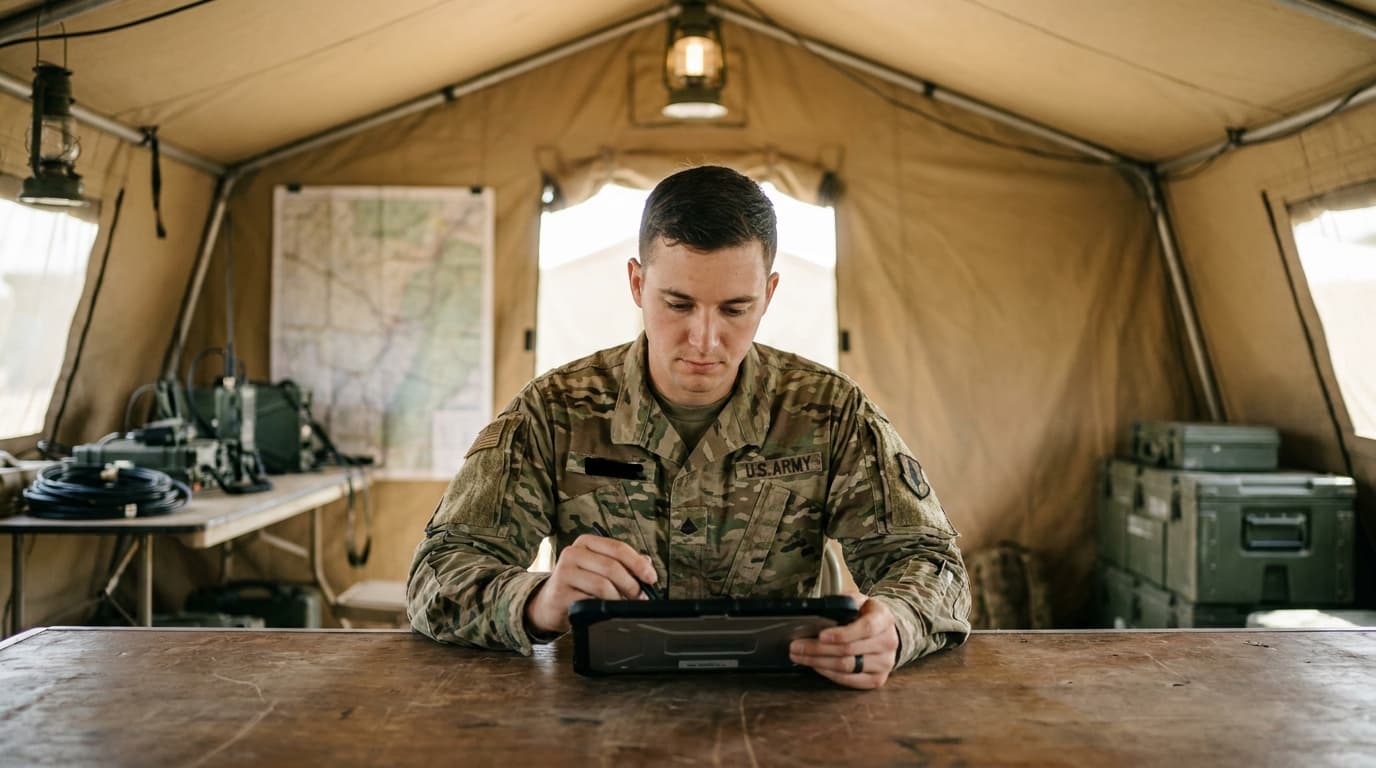
At the core of this acquisition is the technical challenge of running a cloud-native platform in a disconnected environment. Rune's TyrOS platform provides an "offline-first" architecture, a design pattern gaining traction for mission-critical systems. In this model, applications are built to run primarily on a local device, treating the network as an intermittent resource for synchronization rather than a constant requirement. For Missionforce, this means a soldier in the field could use a ruggedized tablet running a local version of the application to input data, track supplies, and run forecasts. The device would store all changes locally and then intelligently sync with the main Salesforce cloud once a connection becomes available. This approach solves major technical hurdles like data conflict resolution and maintaining data integrity and security while operating at the tactical edge, far from secure data centers. It represents a fundamental shift from the traditional, always-on cloud model.
This deal fits into a much larger trend of major enterprise software companies targeting the lucrative public sector and defense markets. For years, companies like Microsoft, Amazon, and Oracle have vied for massive government cloud contracts, but this acquisition shows a more targeted strategy. Instead of just providing general-purpose cloud infrastructure, Salesforce is buying specialized technology to solve a specific, high-value problem: the "last mile" of data for frontline operators. The modern battlefield is increasingly data-dependent, yet connectivity remains a significant bottleneck. This creates a critical gap that off-the-shelf commercial software cannot fill. By acquiring Rune, Salesforce is not just entering a new market but is also positioning itself as a provider of solutions tailored for the tactical edge. It's a move that follows the path of successful defense-tech firms like Palantir, which built their businesses by adapting data platforms for the unique demands of intelligence and military users.
The practical takeaway for the broader tech industry is twofold. For founders and business leaders, this acquisition serves as a powerful example of vertical market expansion. Salesforce is demonstrating how a horizontal SaaS platform can be adapted and augmented to capture niche, high-stakes markets. For developers, architects, and CTOs, it underscores the growing importance of building resilient systems that are not dependent on perfect connectivity. The principles of offline-first design are becoming increasingly relevant beyond defense, in sectors like natural resources, disaster response, and remote healthcare. Looking ahead, the key thing to watch will be how deeply Salesforce integrates Rune's technology. Will these offline capabilities remain exclusive to the high-end Missionforce product, or will they eventually trickle down into the core platform, offering new possibilities for commercial customers operating in challenging environments? Competitors will also be forced to evaluate their own strategies for serving users at the edge.
Why it matters
This acquisition highlights the growing demand for robust, offline-first architectures in enterprise software. For developers and architects, it signals a shift toward building systems that can operate reliably in disconnected, edge environments, especially for mission-critical government and defense applications.
Business impact
Salesforce is aggressively expanding into the lucrative defense-tech vertical, a market traditionally dominated by specialized contractors. This move challenges competitors and signals a broader trend of major SaaS players adapting their commercial platforms for specialized, high-stakes government use cases.
Tags
Related on Notifire
Related stories
Primary source: CIO.com