Salesforce Shifts Strategy With Headless 360
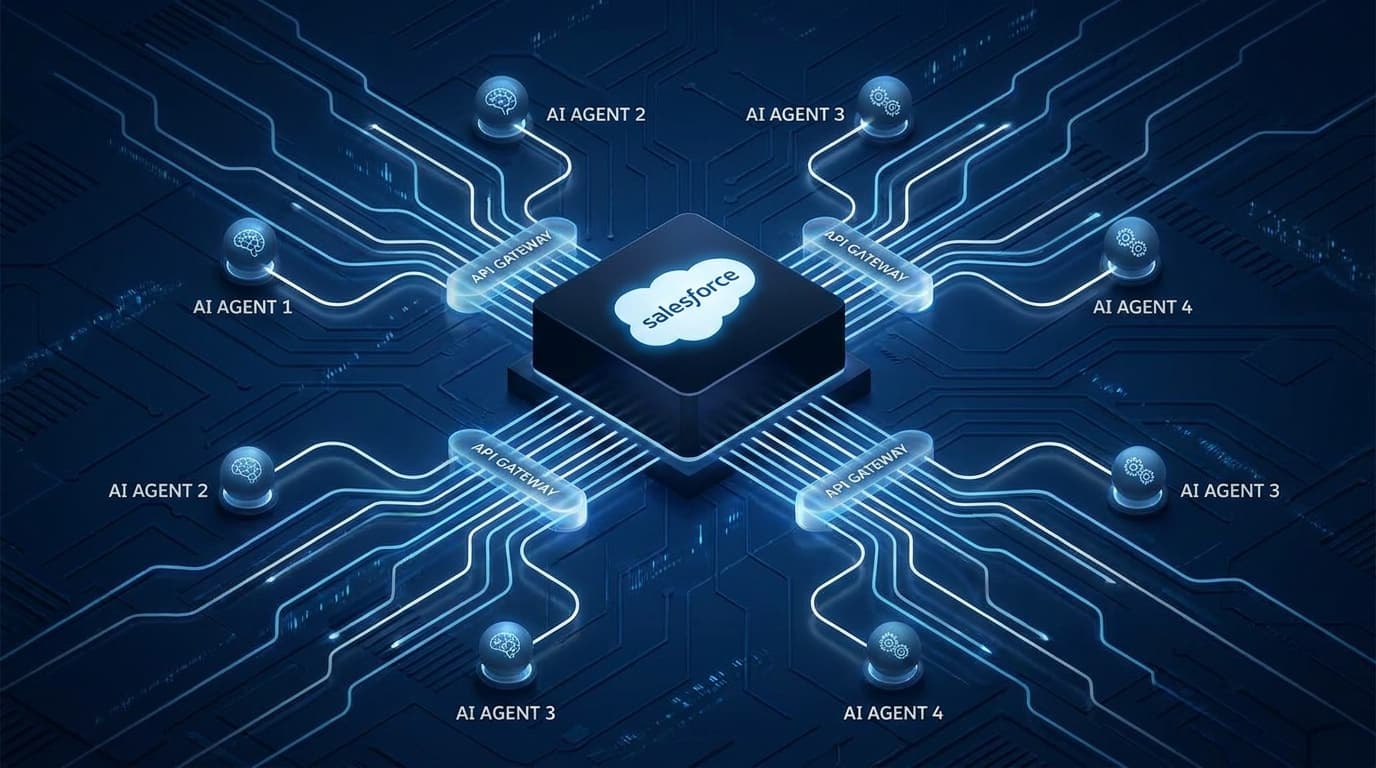
TL;DR: Salesforce has launched Headless 360, a new offering marking a significant strategic shift. The move is a response to the rise of AI agents and automated workflows, which reduce the need for users to stay within a single application. This change will impact IT architecture and budgeting.
Key facts
- Category
- Tech Updates
- Impact
- High
- Published
- Source
- CIO.com
Full summary
Salesforce is adapting to the AI era with its new Headless 360 offering, a major architectural shift impacting IT budgets and workflows.
Salesforce has introduced Headless 360, a new offering signaling a major strategic pivot. The company is moving away from its traditional model of keeping users inside its applications to adapt to a landscape shaped by AI agents and automated workflows. During a recent earnings call, executives positioned the offering as a foundational piece of their AI-era architecture, allowing external systems to use Salesforce data and services without a traditional user interface.
This shift has significant implications for IT leaders, particularly for budgeting and architecture. The move towards headless interactions suggests a potential change in monetization that could introduce new financial complexities for CIOs. Costs may become tied to consumption, such as API calls from automated processes, rather than predictable per-user fees. This requires IT teams to rethink how they forecast spending and manage their enterprise software stack, placing greater emphasis on API governance and integration.
Salesforce's move reflects a broader industry trend of decoupling backend services from frontend interfaces. As AI agents become more prevalent, value is shifting from the application's user interface to the underlying data and services accessible via APIs. Companies must now evaluate how this headless approach fits into their long-term IT strategy and prepare for a more distributed, API-driven architecture.
Why it matters
This signals a fundamental shift in how major enterprise software vendors like Salesforce view their products in the age of AI. The focus is moving from user-centric applications to API-first services consumed by automated agents, impacting long-term IT architecture.
Business impact
Companies using Salesforce will need to re-evaluate their IT budgets. A shift towards consumption-based pricing for headless services could create unpredictable costs, requiring CIOs and finance teams to develop new models for forecasting and managing software spending.
Tags
Related on Notifire
Related stories
Primary source: CIO.com