Texas Decides if Prediction Markets are Finance or Gambling
TL;DR: Texas lawmakers are debating whether to regulate prediction markets like Kalshi as financial exchanges or as gambling. This decision will set a major precedent for how new fintech platforms are treated across the U.S.
Key facts
- Category
- Tech Updates
- Impact
- High
- Published
- Source
- ReadWrite
Full summary
Texas is debating whether to regulate prediction markets as financial exchanges or gambling, a decision with huge implications for fintech.
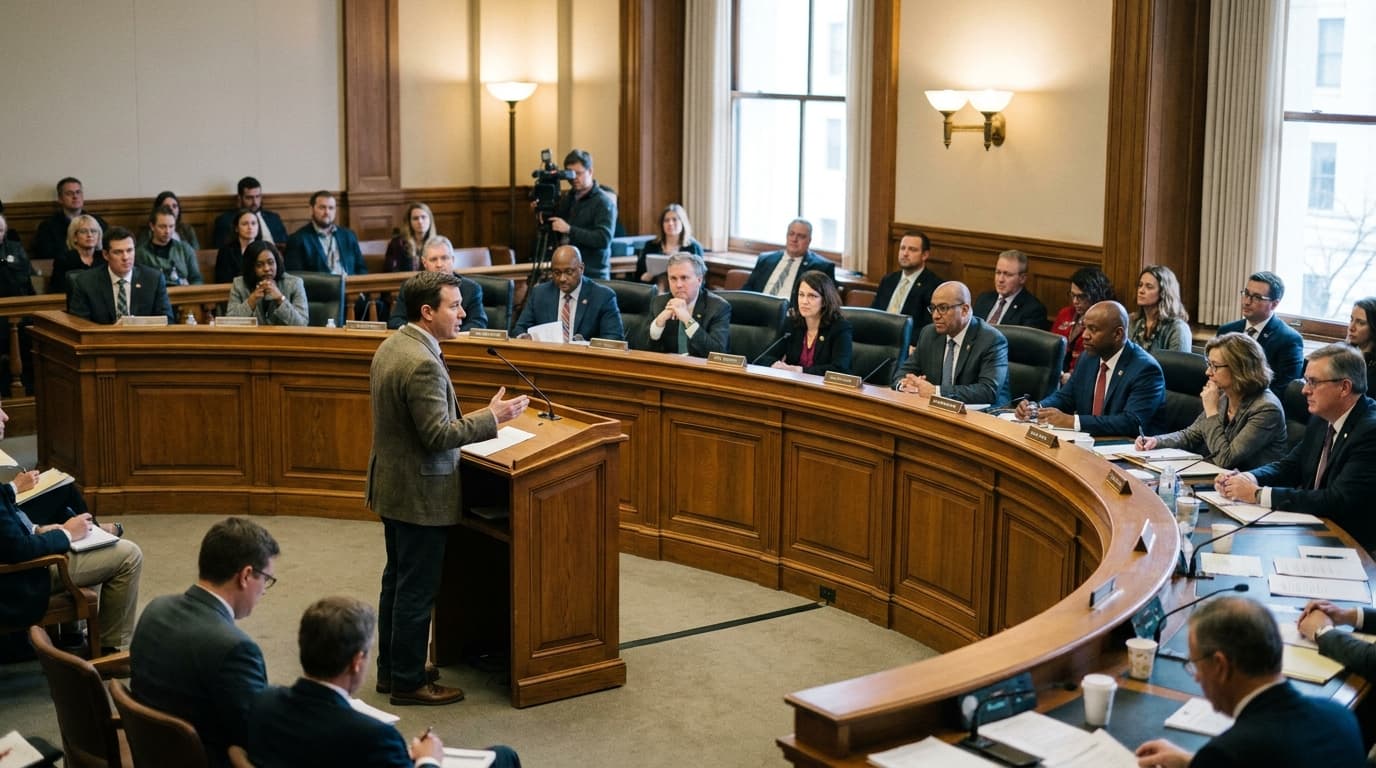
The Texas Senate State Affairs Committee is currently examining the legal status of online prediction markets, a move that could have profound consequences for the American fintech industry. According to reporting from ReadWrite, a recent hearing focused on whether platforms like Kalshi should be classified as federally regulated financial exchanges or as gambling platforms subject to state law. This distinction is critical. Kalshi currently operates under the oversight of the U.S. Commodity Futures Trading Commission (CFTC), which treats its products as financial instruments. However, Texas is exploring whether it has the authority to override that federal designation and apply its own, potentially more restrictive, gambling regulations. The hearing signals a growing tension between state and federal authorities over who gets to set the rules for new and innovative financial technologies, with Texas emerging as a key battleground.
At their core, prediction markets are platforms where users trade contracts based on the outcome of future events, such as economic data releases or political elections. When an event's outcome is known, contracts that predicted it correctly pay out, while incorrect ones become worthless. Proponents, like Kalshi, argue these are not games of chance but sophisticated tools for hedging risk and aggregating information, similar to other derivatives markets regulated by the CFTC. The federal designation as a Designated Contract Market (DCM) allows them to operate across the country under a single, unified regulatory framework. This structure is designed for financial instruments, focusing on market integrity and investor protection. Classifying them as gambling would fundamentally alter their legal and operational foundation, subjecting them to an entirely different set of laws designed to regulate lotteries and casinos.
This conflict is not happening in a vacuum; it reflects a broader, long-running debate over financial innovation in the U.S. The situation is reminiscent of the early days of cryptocurrency, when companies had to navigate a complex and often contradictory patchwork of state-level money transmitter laws before a clearer federal picture began to emerge. A decision by a large and influential state like Texas to challenge federal authority could set a powerful precedent. If Texas succeeds in regulating Kalshi as a gambling operator, other states might be emboldened to follow suit, creating a fragmented regulatory landscape. This would force fintech companies to seek licenses and comply with dozens of different state-specific rules, a scenario that could stifle innovation and make it nearly impossible for startups to operate nationally.
For founders, developers, and business leaders in the fintech sector, the outcome of this Texas debate is a critical signal to watch. A state-by-state regulatory regime for a federally approved financial product would create immense operational friction and legal uncertainty. Companies would need to invest heavily in compliance technology, including robust geofencing and state-specific user verification, diverting resources from product development. The immediate next step is to monitor whether the Texas committee proposes formal legislation based on the hearing's testimony. The response from the CFTC will also be crucial, as the federal agency has a strong interest in defending its jurisdiction over the markets it oversees. This case underscores the reality that for innovative fintech platforms, navigating the political and legal landscape is just as important as building great technology.
Why it matters
This legal battle directly impacts platform architecture. If states classify prediction markets as gambling, engineering teams must build costly, state-specific compliance, geofencing, and verification systems, fragmenting the national market and increasing technical debt for fintech platforms.
Business impact
The regulatory classification of prediction markets will determine their viability and scalability. A "gambling" label could severely limit user access and investment, while a "financial exchange" designation provides a clearer path for growth and integration into the broader financial ecosystem.
Tags
Related on Notifire
Related stories
Primary source: ReadWrite