Short, verified tech briefings on AI, Cybersecurity, Infrastructure, Database, and Tech Updates — with the analysis and action steps engineering teams need.
A new modular architecture for Cloudflare Workers helps developers build safer multi-tenant SaaS apps. By breaking up monolithic workers into smaller services, teams can reduce deployment risks and limit the impact of failures for their customers.
A new survey shows a sharp drop in student interest in computer science and AI majors. This could signal a major shift in the future tech talent pipeline as AI coding tools become more common.
The Kubernetes team managing core application tools, SIG Apps, is shifting focus to handle more complex workloads like AI and databases. This signals future changes to fundamental tools like Deployments, aiming for better lifecycle management for all users.
AWS launched CloudWatch Omni, a new tool to help developers understand why their AI agents behave unpredictably. It unifies monitoring to explain agent actions, a task traditional tools like the original CloudWatch have struggled with.
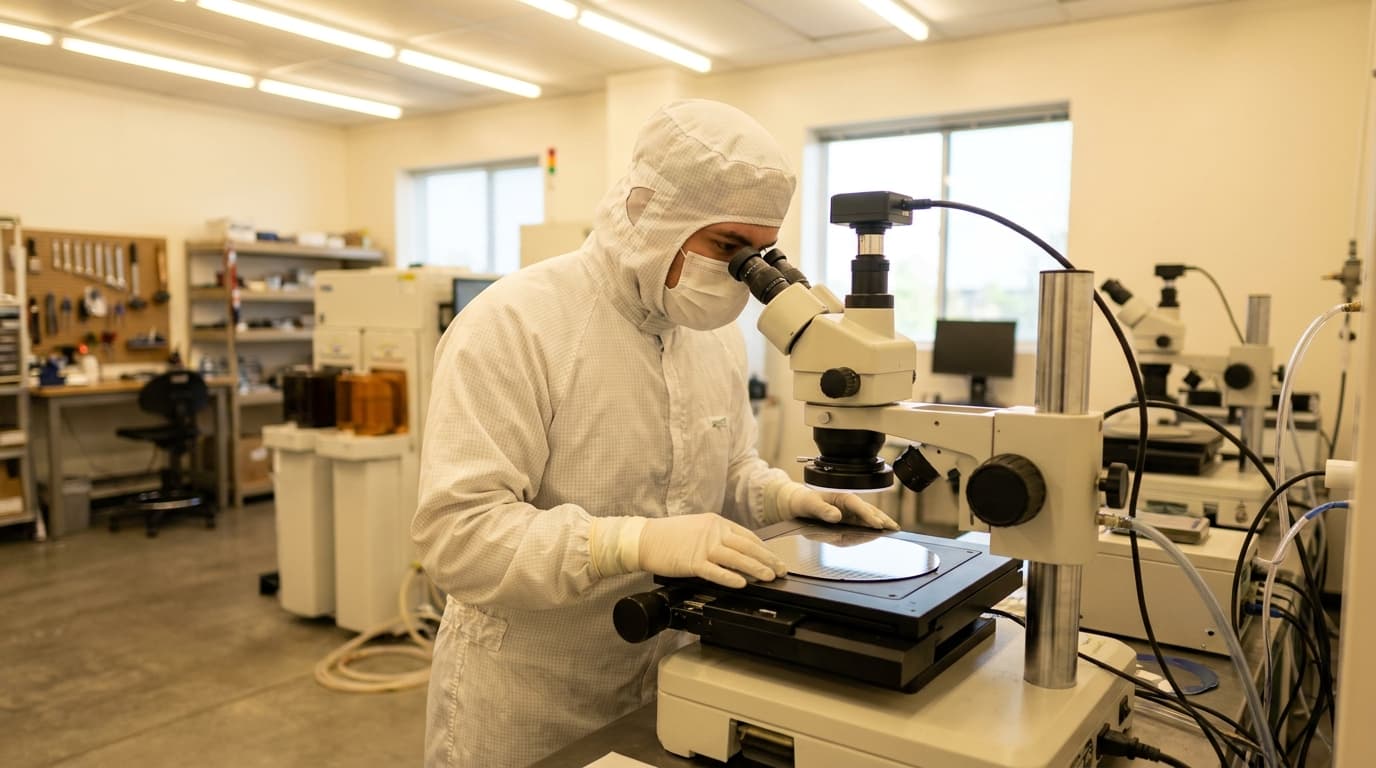
The US is projected to face a 157,000 semiconductor worker shortage by 2030. This talent gap threatens to undermine the CHIPS Act and could disrupt the domestic tech supply chain for years to come.
Redis Cloud and Datadog have launched a new native integration. This allows teams to send performance metrics directly to their Datadog dashboards without setting up any additional infrastructure, simplifying the entire monitoring process.
A critical flaw in the Bifrost AI gateway lets attackers run any command without a password. This gives them full control over the server, exposing sensitive data and AI models.
Microsoft is restructuring its Xbox division, putting Activision in charge of major franchises like Halo, Sea of Thieves, and Age of Empires. The move comes alongside hundreds of new layoffs and the likely closure of another studio.
Microsoft is laying off another 260 Xbox employees as part of a multi-year restructuring. The move signals a deep operational shift in its gaming strategy, continuing a trend of significant workforce reductions across the division.
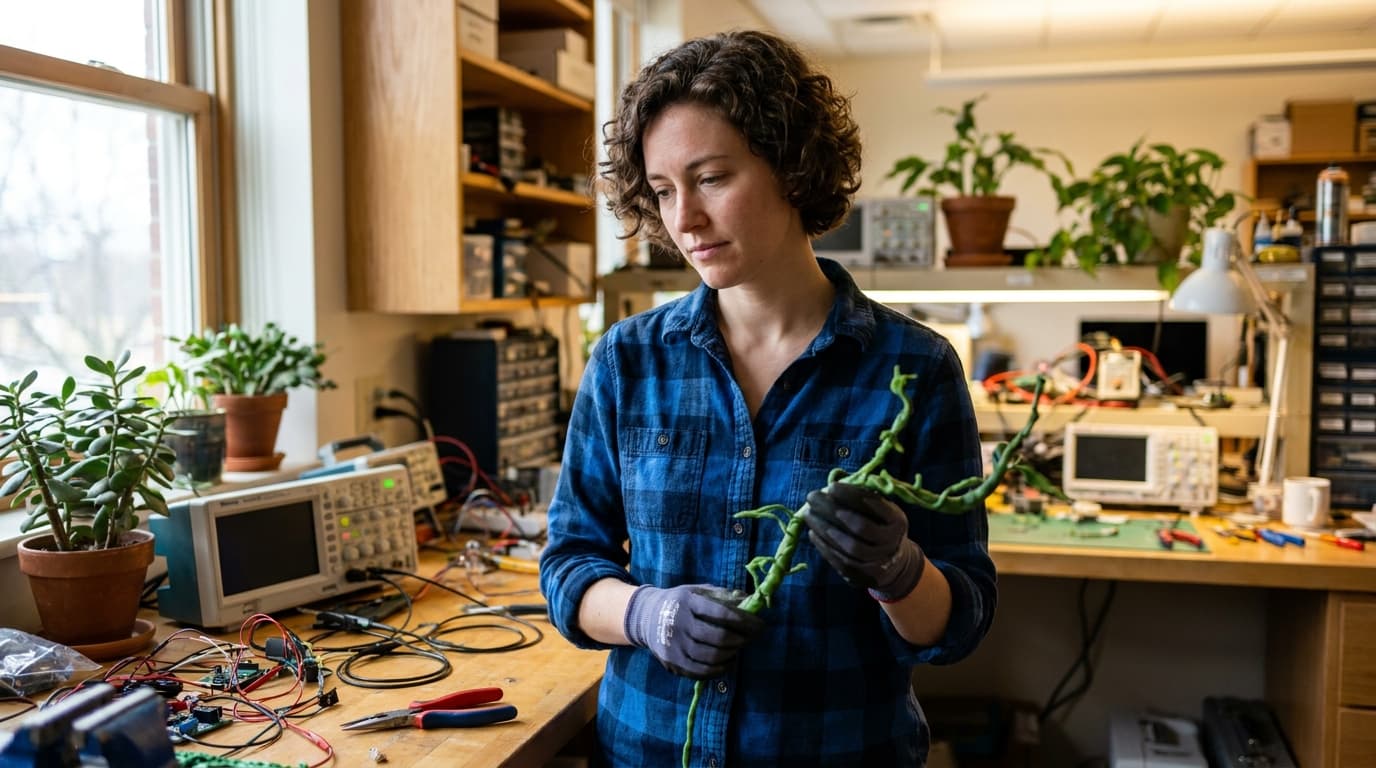
Roboticist Barbara Mazzolai is pioneering a new field of robotics inspired by nature. Her work focuses on creating soft, flexible robots that mimic biological systems to perform complex tasks and potentially restore ecosystems.
GitLab Duo, the company's AI coding assistant, now lets enterprises run it on their own Microsoft Azure infrastructure. This gives companies full control over their data, addressing major security and privacy concerns with AI development tools.
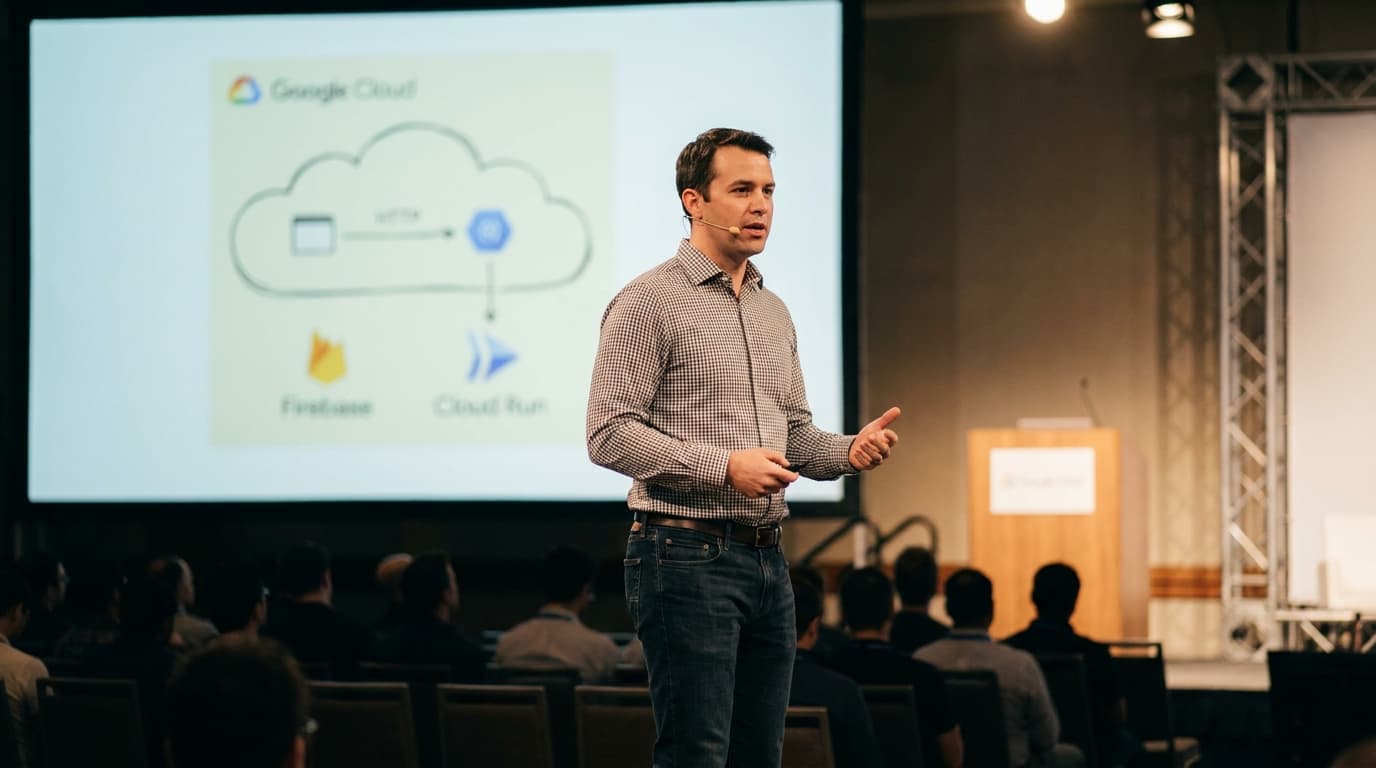
A startup veteran shared a lean architectural pattern using GCP, Firebase, and Cloud Run. This stack helps small teams build scalable products quickly, manage state efficiently, and maintain lean DevOps practices to accelerate product-market fit.
Changesets, a popular tool for managing JavaScript projects, released version 3. It's now 88% smaller, uses modern ESM-only code, and fixes long-standing issues with how it handles related software packages, making it faster and more reliable.
AI agents can now write low-level code for AMD's GPUs, a task once reserved for specialists. According to an AMD executive, this dramatically lowers the barrier to high-performance computing and challenges NVIDIA's dominance.
A popular performance technique from web frameworks is now being built directly into browsers. This allows parts of a webpage to load and become interactive out of order, making sites feel much faster for users.
Saudi Arabia is launching its first-ever national car brand, Ceer, an electric vehicle company created with its Public Investment Fund and Foxconn. The move signals a major state-backed push into the global automotive technology supply chain.
Tesla is again accepting $50,000 deposits for its next-generation Roadster, set for a reveal in October. This comes seven years after the company first took deposits for a version of the car that has yet to be produced.
A new family of open decision models called Kev helps AI agents make internal choices without generating text. This approach drastically cuts down on token consumption, reducing both cost and latency for developers building agentic systems.
A new tool called Foremerge detects logical conflicts between AI coding agents that version control systems like Git miss. It prevents bugs where one agent refactors a class while another tries to use it, saving developers significant review time.
A new RAND report advises the US government to avoid picking a single AI strategy. Instead, it should fund multiple approaches to superintelligence to maintain flexibility and not get locked into a suboptimal path.
Vercel now displays billable duration and CPU minutes for each deployment. This gives developers and companies direct insight into their build costs, helping them optimize usage and manage their budget more effectively.
Meta open-sourced Rebalancer, a library it used for nine years to solve complex resource allocation problems. This gives developers a powerful, battle-tested tool for managing large-scale systems more efficiently.
Uber redesigned its open-source M3DB database to better handle server failures. The new system uses small, fixed-size "subclusters" to contain problems, improving overall reliability and making maintenance easier without moving massive amounts of data.
Apple's new M5 Ultra Mac Studio delivers massive performance with up to a 36-core CPU and 80-core GPU. The high-end workstation is specifically designed for demanding tasks like local AI model development and professional visual effects.