7 verified briefings on Architecture. Each story includes a plain-English summary, why it matters, and the concrete action engineering teams should take.
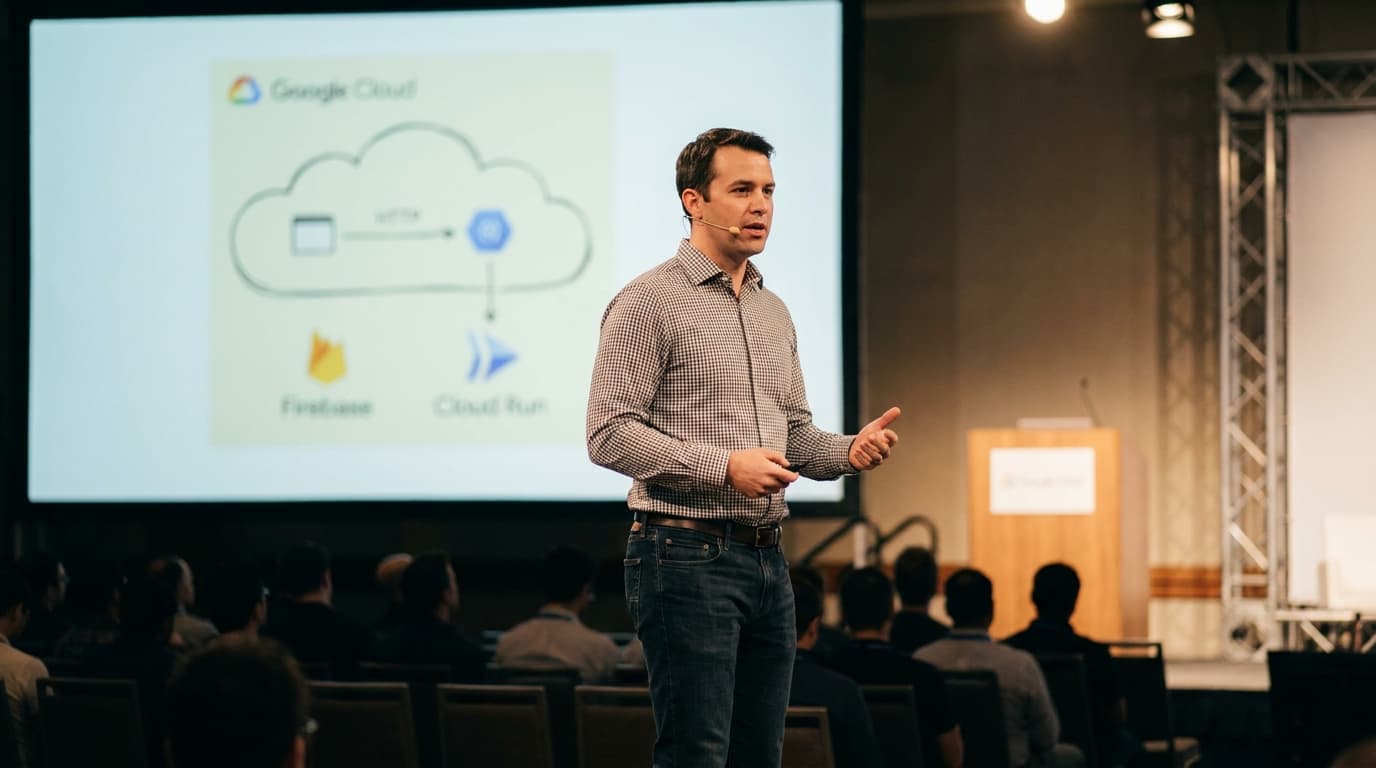
A startup veteran shared a lean architectural pattern using GCP, Firebase, and Cloud Run. This stack helps small teams build scalable products quickly, manage state efficiently, and maintain lean DevOps practices to accelerate product-market fit.
A new architectural pattern shows how developers can use standard Postgres features to manage complex, durable workflows. This eliminates the need for external orchestration tools, simplifying infrastructure and potentially lowering operational costs for engineering teams.
A common database architecture using proxies adds hidden costs and latency to AI systems. A direct-access pattern with Valkey can achieve microsecond speeds, improve resilience, and cut infrastructure spending.
A new guide argues that securing AI models requires more than just a gateway. It proposes a four-layer 'defense-in-depth' strategy to protect systems at every stage, from execution to output integrity.
Netflix has shared its approach to building a centralized platform for data deletion across its distributed systems. The architecture focuses on safely orchestrating deletions without impacting live traffic, managing data remnants ("tombstones"), and ensuring compliance through continuous audits.
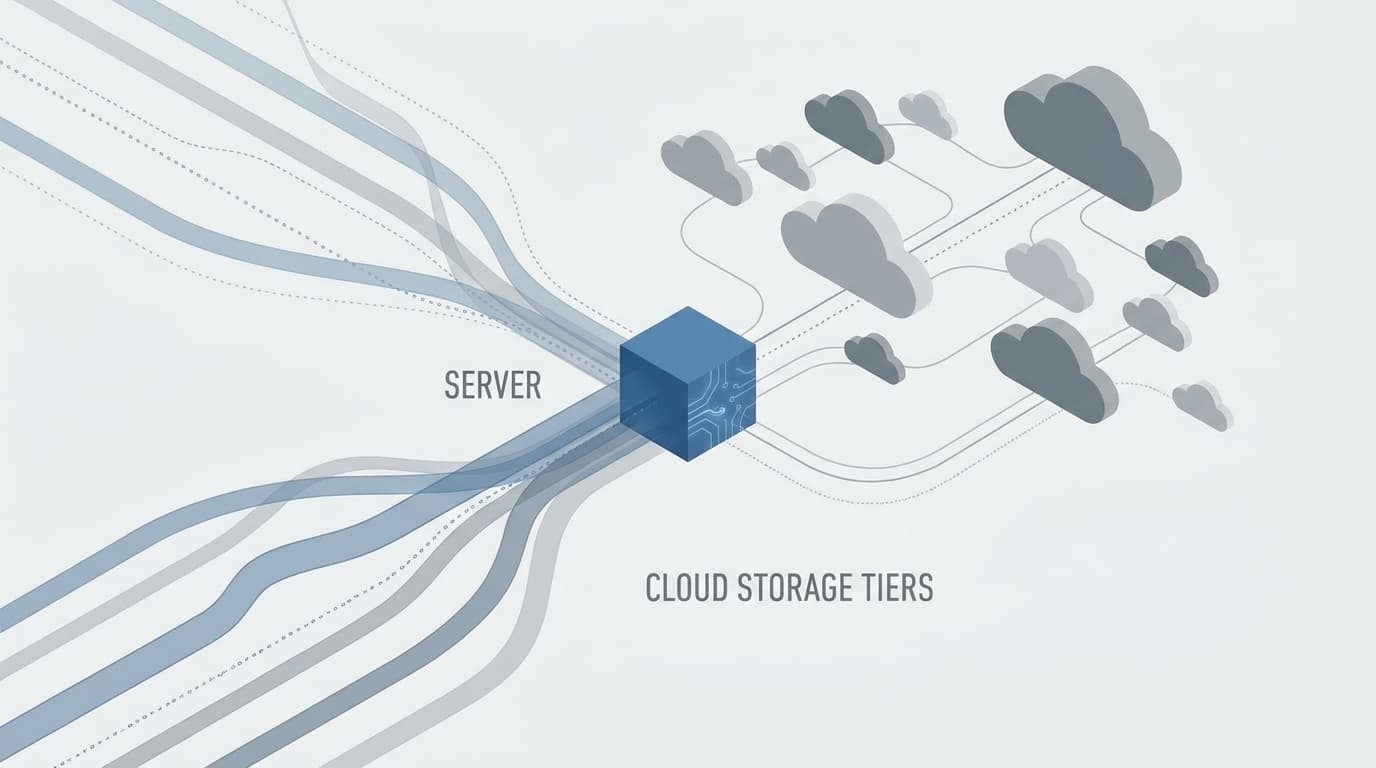
Apache Kafka is evolving into a cloud-native platform. This shift involves tiered storage for cost efficiency, better financial operations (FinOps) telemetry, and elastic scaling. Architects are also exploring a future where Kafka could operate without local disks, changing its core operational model.
The common practice of only measuring startup time for Spring Boot applications, especially with GraalVM or Spring AOT, is highlighted as a trap. While a quick metric, it fails to capture the full operational costs and complexities. Developers and architects need to consider a broader set of metrics for sound decision-making.